Blab Crypto
Bitcoin Price Navigates Volatility in 2026, Reaching $81,286 on May 5
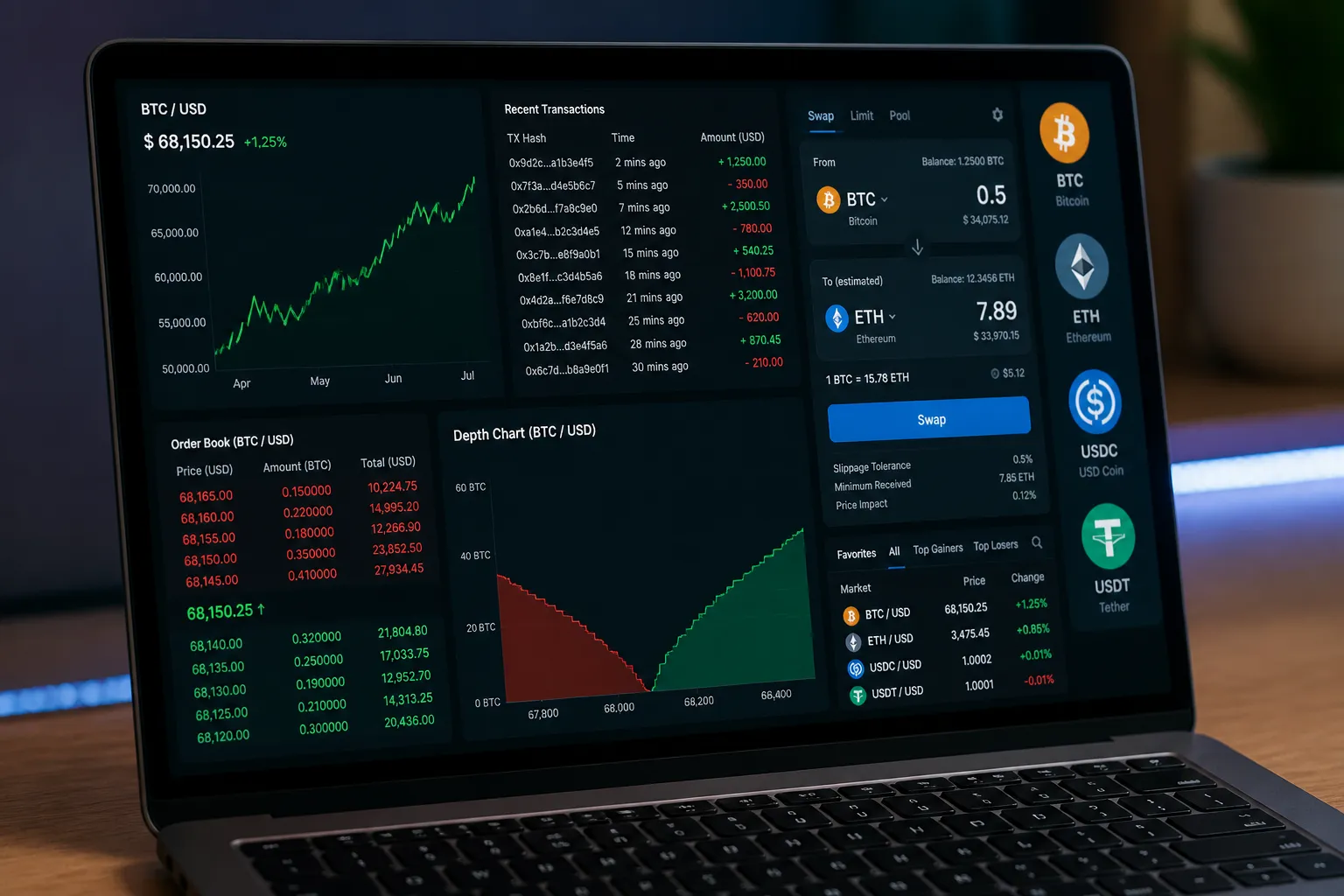
Bitcoin (BTC) has continued to exhibit significant price swings throughout 2026, with the cryptocurrency trading between roughly $62,000 and $81,300 during the year. According to Fortune, on June 2 2026 the price of one BTC was $69,256.14, while a separate Fortune article reported a price of $71,043.14 on March 24 2026. The highest daily price recorded in the public dataset for 2026 was $81,286.38 on May 5, 2026, a level that surpassed the $76,565.02 seen on May 19.
The 2026 average closing price for Bitcoin, as calculated by StatMuse, was $75,564.45, indicating a year‑long decline of about 29.6% relative to the 2025 average. The dataset also shows daily percentage changes ranging from modest gains of around 1–2% to larger swings of 20% or more. For example, one entry lists a 20.08% increase to $0.999948, while another shows a 23.42% drop to $1.00. These fluctuations illustrate the ongoing volatility that has characterized Bitcoin’s market performance since its inception.
Regulatory developments have also shaped the broader context in which Bitcoin trades. In March 2025, the United States announced the U.S. Strategic Bitcoin Reserve, a proposal to allocate bitcoin held by the Treasury’s forfeiture program into a national reserve. The reserve is expected to include the approximately 328,372 BTC held by the federal government as of February 2026. The initiative has drawn mixed reactions from economists and policymakers, who debate the implications for monetary policy and financial stability. Meanwhile, El Salvador’s experiment with Bitcoin as legal tender, which began in 2021, was formally rescinded in 2025, and subsequent research indicates that the cryptocurrency was rarely used by the public.
Market participants have continued to monitor Bitcoin’s price movements in light of institutional adoption trends. Several major corporations have added Bitcoin to their balance sheets, and traditional financial institutions have expanded cryptocurrency services. The correlation between Bitcoin prices and broader financial markets has been documented in academic studies, suggesting that Bitcoin’s market movements increasingly reflect macroeconomic indicators. However, the cryptocurrency remains classified by many regulators as a commodity rather than a currency, and its pseudonymous nature continues to attract scrutiny.
Looking ahead, Bitcoin’s price trajectory will likely remain influenced by a combination of market sentiment, regulatory actions, and macroeconomic conditions. The upcoming Bitcoin halving event, scheduled for 2028, is expected to reduce the block reward from 6.25 BTC to 3.125 BTC, a factor that historically has impacted supply dynamics. While no official forecast can predict the exact price outcome, analysts note that Bitcoin’s historical response to halving events has included periods of significant price appreciation.
In summary, 2026 has seen Bitcoin trade within a broad range, with a peak of $81,286 on May 5 and a year‑long average of $75,564.45. The cryptocurrency’s volatility, coupled with evolving regulatory frameworks such as the U.S. Strategic Bitcoin Reserve and the conclusion of El Salvador’s legal‑tender experiment, continues to shape investor expectations and market dynamics. As the industry moves toward the next halving and potential policy shifts, stakeholders will remain attentive to price trends, institutional activity, and regulatory developments that could influence Bitcoin’s role as a store of value and a component of global financial markets.
The 2026 average closing price for Bitcoin, as calculated by StatMuse, was $75,564.45, indicating a year‑long decline of about 29.6% relative to the 2025 average. The dataset also shows daily percentage changes ranging from modest gains of around 1–2% to larger swings of 20% or more. For example, one entry lists a 20.08% increase to $0.999948, while another shows a 23.42% drop to $1.00. These fluctuations illustrate the ongoing volatility that has characterized Bitcoin’s market performance since its inception.
Regulatory developments have also shaped the broader context in which Bitcoin trades. In March 2025, the United States announced the U.S. Strategic Bitcoin Reserve, a proposal to allocate bitcoin held by the Treasury’s forfeiture program into a national reserve. The reserve is expected to include the approximately 328,372 BTC held by the federal government as of February 2026. The initiative has drawn mixed reactions from economists and policymakers, who debate the implications for monetary policy and financial stability. Meanwhile, El Salvador’s experiment with Bitcoin as legal tender, which began in 2021, was formally rescinded in 2025, and subsequent research indicates that the cryptocurrency was rarely used by the public.
Market participants have continued to monitor Bitcoin’s price movements in light of institutional adoption trends. Several major corporations have added Bitcoin to their balance sheets, and traditional financial institutions have expanded cryptocurrency services. The correlation between Bitcoin prices and broader financial markets has been documented in academic studies, suggesting that Bitcoin’s market movements increasingly reflect macroeconomic indicators. However, the cryptocurrency remains classified by many regulators as a commodity rather than a currency, and its pseudonymous nature continues to attract scrutiny.
Looking ahead, Bitcoin’s price trajectory will likely remain influenced by a combination of market sentiment, regulatory actions, and macroeconomic conditions. The upcoming Bitcoin halving event, scheduled for 2028, is expected to reduce the block reward from 6.25 BTC to 3.125 BTC, a factor that historically has impacted supply dynamics. While no official forecast can predict the exact price outcome, analysts note that Bitcoin’s historical response to halving events has included periods of significant price appreciation.
In summary, 2026 has seen Bitcoin trade within a broad range, with a peak of $81,286 on May 5 and a year‑long average of $75,564.45. The cryptocurrency’s volatility, coupled with evolving regulatory frameworks such as the U.S. Strategic Bitcoin Reserve and the conclusion of El Salvador’s legal‑tender experiment, continues to shape investor expectations and market dynamics. As the industry moves toward the next halving and potential policy shifts, stakeholders will remain attentive to price trends, institutional activity, and regulatory developments that could influence Bitcoin’s role as a store of value and a component of global financial markets.