Blab Crypto
U.S. CPI Release, Military Strikes, and Central-Bank Anticipation Boost Crypto Prices
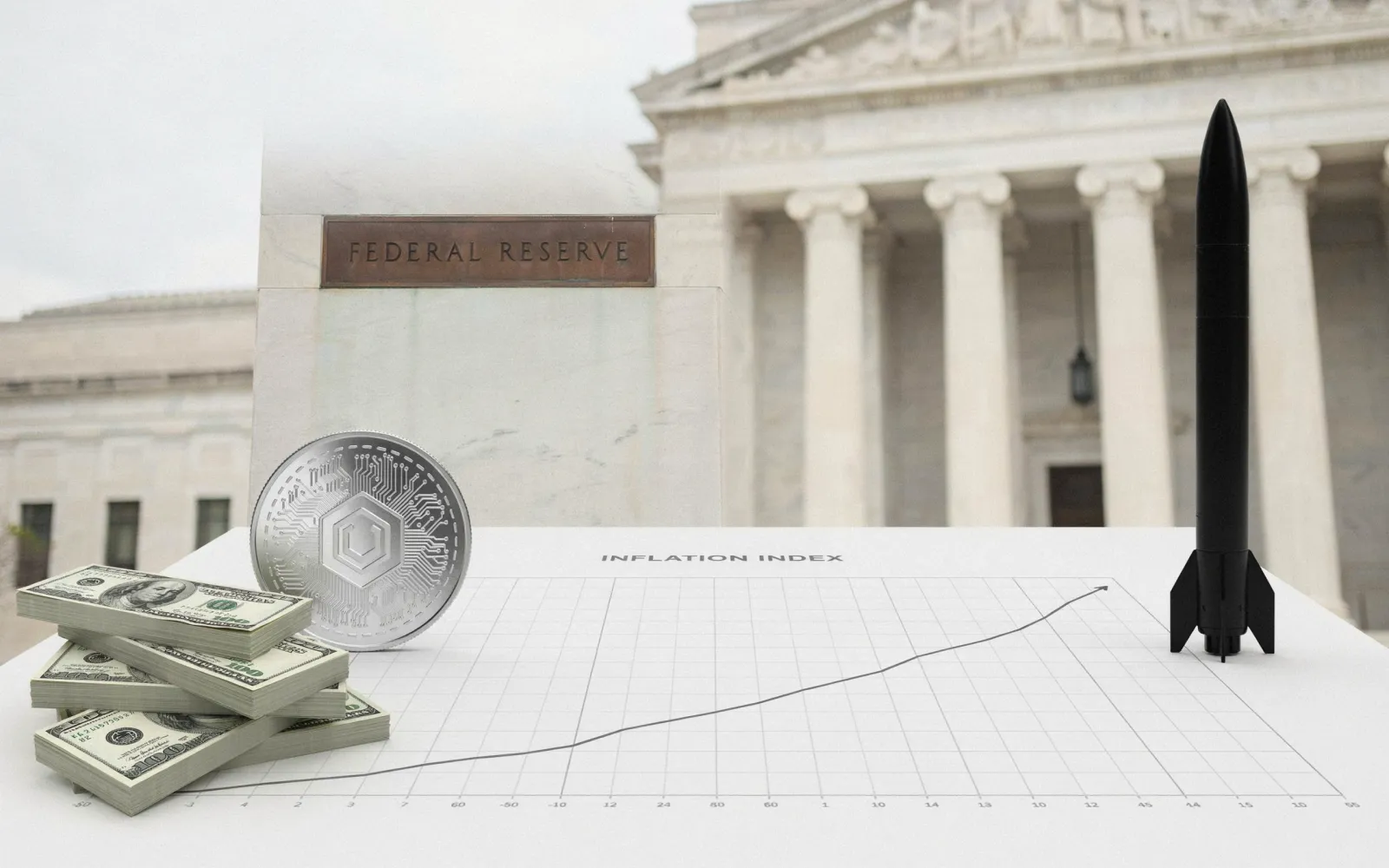
A better‑than‑expected core consumer price index (CPI) reading released by the U.S. Bureau of Labor Statistics on Wednesday helped lift cryptocurrency markets. The data showed that core inflation – which excludes volatile food and fuel prices – rose to 2.9 percent year‑on‑year, up from 2.8 percent in April, while the month‑on‑month core CPI fell to 0.2 percent from 0.4 percent. Headline inflation for May was 4.2 percent, matching market expectations, and the month‑on‑month headline CPI was 0.5 percent, slightly lower than the 0.6 percent reported in April.
The CPI figures eased concerns that the Federal Reserve would adopt a hawkish stance, as higher interest rates generally increase the opportunity cost of holding non‑interest‑bearing assets such as cryptocurrencies. With inflation readings in line with forecasts, the market’s fear of a rate hike receded, and the CoinMarketCap Fear and Greed Index moved from 14 to 16, still in the “extreme fear” band but an improvement from 20 a week earlier.
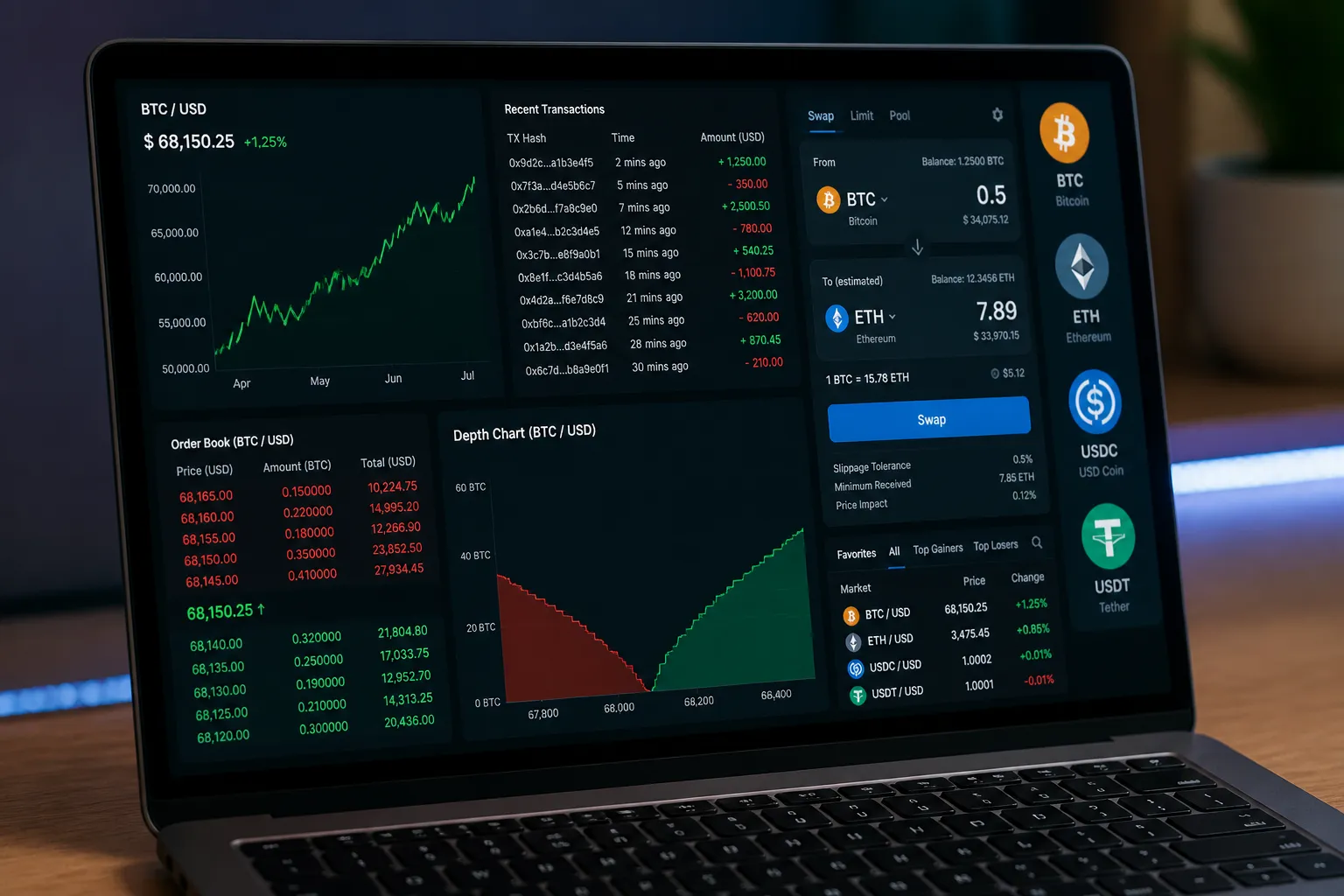
Bitcoin, the largest cryptocurrency by market cap, traded between $62,942 and $60,845 in the past 24 hours, up 2.7 percent to $62,797.98. The price remains about 50 percent below its all‑time high of $126,198.07 set on 7 October 2025. Over the last week, Bitcoin has fallen 0.2 percent, and its year‑to‑date decline is 28 percent.
Ethereum followed Bitcoin’s trend, rallying 2.3 percent to $1,656.14. The token is trading 67 percent below its all‑time high of $4,953.73 reached on 25 August 2025. In the 24‑hour range, Ethereum moved between $1,665.76 and $1,603.83.
Other major coins also posted gains. Binance Coin (BNB) increased 2.7 percent to $599.39, 56 percent below its all‑time high of $1,370.55. XRP gained 0.72 percent to $1.11, 71 percent below its 2018 peak of $3.84. Solana (SOL) rose 2.9 percent to $65.30, 78 percent below its January 2025 high of $294.33.
The top 100 cryptocurrencies saw 45 with overnight gains above 1 percent and 15 with losses above 1 percent. The overall crypto market capitalization grew 2 percent to $2.16 trillion.
Spot exchange‑traded funds (ETFs) for Bitcoin and Ethereum recorded net outflows on Wednesday. Bitcoin Spot ETFs saw $214 million in net outflows, up from $77 million the day before, with iShares Bitcoin Trust (IBIT) leading the outflows at $149 million. Ethereum Spot ETFs had $36 million in net outflows, down from $41 million, with iShares Ethereum Trust (ETHA) contributing $21 million.
In contrast, U.S.‑listed XRP Spot ETFs experienced net inflows of $1.2 million on Wednesday, compared with $7.44 million the previous day.
Beyond inflation data, other news influenced market sentiment. The U.S. military announced it had completed strikes against Iran, providing a brief lift in prices. Meanwhile, traders awaited the European Central Bank’s decision, widely expected to raise the eurozone key rate by a quarter percentage point. The anticipation of a rate hike, combined with the SpaceX initial public offering, added volatility to the crypto market.
The U.S. Bureau of Labor Statistics also released producer price inflation data on Thursday, which will further shape expectations for the Federal Reserve’s policy path.
Notable movements among smaller tokens included a 56 percent surge for Audiera’s BEAT token, the largest gain among the top 100, and a 23 percent drop for Siren (SIREN). Hyperliquid (HYPE) added 0.33 percent to $56.03.
Bitcoin remains the 14th largest asset by market capitalization globally, positioned between Samsung (13th) and Berkshire Hathaway (15th). Ethereum holds the 6th spot.
The market’s reaction to the CPI release underscores the sensitivity of crypto prices to macroeconomic data. While the core inflation reading was lower than feared, the headline inflation rate still sits above the 2 percent target of the Federal Reserve, keeping the possibility of future rate hikes alive.
In summary, the U.S. core CPI data, combined with geopolitical developments and central‑bank expectations, contributed to a modest rebound in cryptocurrency prices. Bitcoin and Ethereum led the rally, while spot ETFs continued to experience net outflows. The next key data point will be the producer price inflation report, and the ECB’s rate decision will remain a focal point for traders.
The CPI figures eased concerns that the Federal Reserve would adopt a hawkish stance, as higher interest rates generally increase the opportunity cost of holding non‑interest‑bearing assets such as cryptocurrencies. With inflation readings in line with forecasts, the market’s fear of a rate hike receded, and the CoinMarketCap Fear and Greed Index moved from 14 to 16, still in the “extreme fear” band but an improvement from 20 a week earlier.
Bitcoin, the largest cryptocurrency by market cap, traded between $62,942 and $60,845 in the past 24 hours, up 2.7 percent to $62,797.98. The price remains about 50 percent below its all‑time high of $126,198.07 set on 7 October 2025. Over the last week, Bitcoin has fallen 0.2 percent, and its year‑to‑date decline is 28 percent.
Ethereum followed Bitcoin’s trend, rallying 2.3 percent to $1,656.14. The token is trading 67 percent below its all‑time high of $4,953.73 reached on 25 August 2025. In the 24‑hour range, Ethereum moved between $1,665.76 and $1,603.83.
Other major coins also posted gains. Binance Coin (BNB) increased 2.7 percent to $599.39, 56 percent below its all‑time high of $1,370.55. XRP gained 0.72 percent to $1.11, 71 percent below its 2018 peak of $3.84. Solana (SOL) rose 2.9 percent to $65.30, 78 percent below its January 2025 high of $294.33.
The top 100 cryptocurrencies saw 45 with overnight gains above 1 percent and 15 with losses above 1 percent. The overall crypto market capitalization grew 2 percent to $2.16 trillion.
Spot exchange‑traded funds (ETFs) for Bitcoin and Ethereum recorded net outflows on Wednesday. Bitcoin Spot ETFs saw $214 million in net outflows, up from $77 million the day before, with iShares Bitcoin Trust (IBIT) leading the outflows at $149 million. Ethereum Spot ETFs had $36 million in net outflows, down from $41 million, with iShares Ethereum Trust (ETHA) contributing $21 million.
In contrast, U.S.‑listed XRP Spot ETFs experienced net inflows of $1.2 million on Wednesday, compared with $7.44 million the previous day.
Beyond inflation data, other news influenced market sentiment. The U.S. military announced it had completed strikes against Iran, providing a brief lift in prices. Meanwhile, traders awaited the European Central Bank’s decision, widely expected to raise the eurozone key rate by a quarter percentage point. The anticipation of a rate hike, combined with the SpaceX initial public offering, added volatility to the crypto market.
The U.S. Bureau of Labor Statistics also released producer price inflation data on Thursday, which will further shape expectations for the Federal Reserve’s policy path.
Notable movements among smaller tokens included a 56 percent surge for Audiera’s BEAT token, the largest gain among the top 100, and a 23 percent drop for Siren (SIREN). Hyperliquid (HYPE) added 0.33 percent to $56.03.
Bitcoin remains the 14th largest asset by market capitalization globally, positioned between Samsung (13th) and Berkshire Hathaway (15th). Ethereum holds the 6th spot.
The market’s reaction to the CPI release underscores the sensitivity of crypto prices to macroeconomic data. While the core inflation reading was lower than feared, the headline inflation rate still sits above the 2 percent target of the Federal Reserve, keeping the possibility of future rate hikes alive.
In summary, the U.S. core CPI data, combined with geopolitical developments and central‑bank expectations, contributed to a modest rebound in cryptocurrency prices. Bitcoin and Ethereum led the rally, while spot ETFs continued to experience net outflows. The next key data point will be the producer price inflation report, and the ECB’s rate decision will remain a focal point for traders.