Blab Crypto
Alabama Senate Race Highlights Growing Influence of Crypto PACs and Mining Energy Concerns
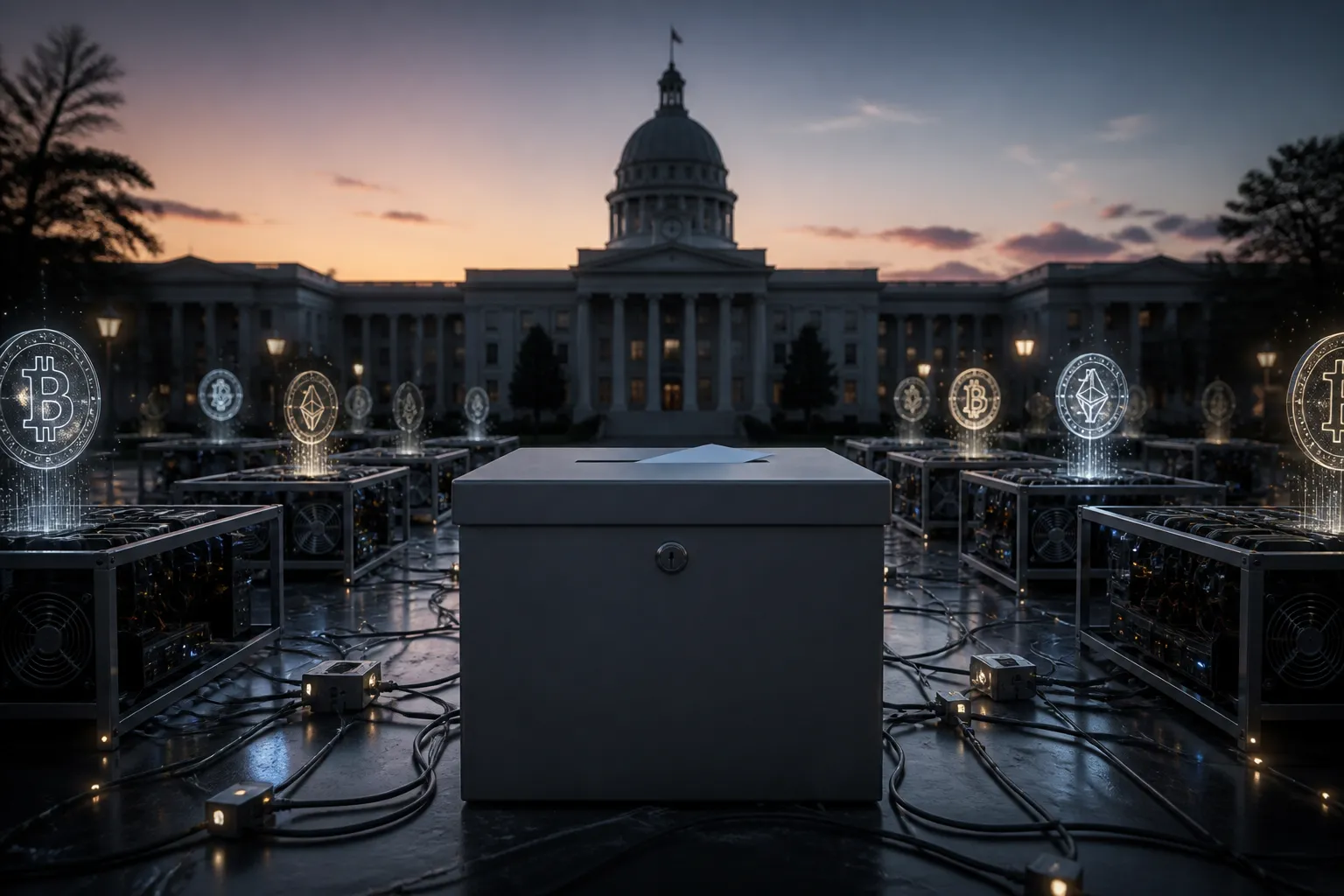
Alabama voters face a decision in the 2026 U.S. Senate primary that reflects a broader national trend: the increasing political clout of the cryptocurrency industry. The state’s Republican primary pits incumbent U.S. Representative Barry Moore, who has received significant financial support from crypto-backed political action committees (PACs), against former Navy SEAL Jared Hudson, whose campaign is funded primarily by local donors.
Crypto PACs have become some of the largest spenders in American elections. According to reports, Fairshake, a super PAC funded by major cryptocurrency firms such as Coinbase and Ripple, spent nearly $180 million during the 2024 election cycle, with a larger share of that money directed to Republican candidates. The industry’s investment strategy is straightforward: spend on candidates who are likely to shape future regulations that affect digital assets.
Moore’s campaign has benefited from this model. The op‑ed notes that “crypto-backed political action committees are spending millions of dollars to elect Barry Moore.” While the exact amount of PAC money flowing into Moore’s race is not disclosed, the pattern of industry support is clear.
Hudson’s campaign, by contrast, relies on grassroots fundraising. The op‑ed describes his campaign as “powered by Alabamians” and emphasizes that he is “not backed by crypto billionaires looking for favorable regulations.” Hudson’s supporters argue that a senator who answers only to local voters is better positioned to protect Alabama’s interests.
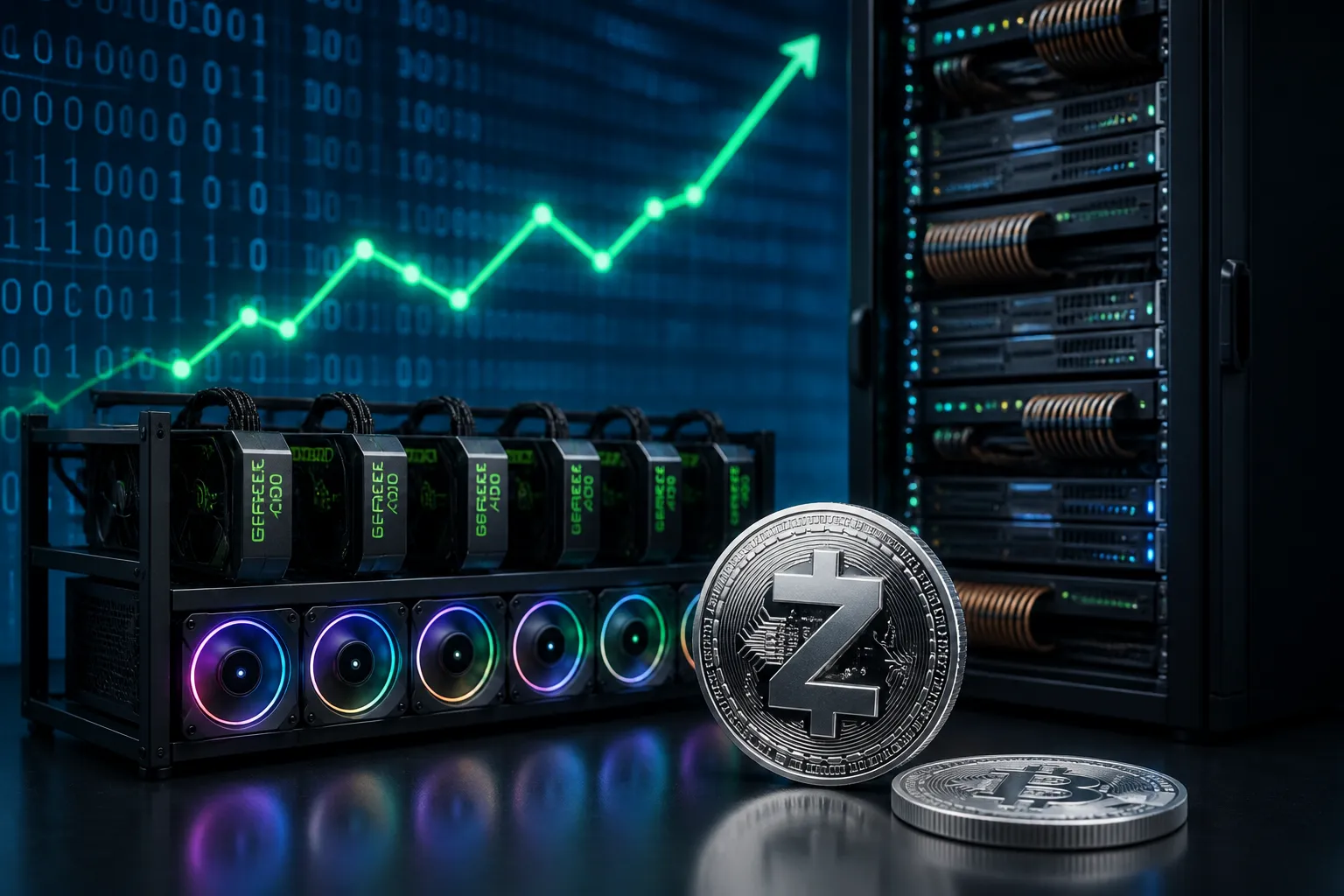
Beyond campaign finance, the cryptocurrency industry’s physical footprint raises additional concerns. Crypto mining operations consume large amounts of electricity. The U.S. Energy Information Administration estimates that mining could account for as much as 2.3 % of national electricity consumption. In Texas, the rapid expansion of mining facilities has prompted regulators to adopt new reliability standards to manage grid strain. The state’s power demand has risen sharply, and officials cite the need to balance grid stability with the industry’s energy use.
Arkansas offers another example of local backlash. Communities in the state have protested mining facilities that generate noise and consume significant energy. The resulting public pressure led lawmakers to enact noise regulations and increased oversight for new mining projects.
These state‑level experiences feed into the debate in Alabama. If crypto mining were to expand in the state, residents could face higher utility bills and infrastructure demands that may not translate into commensurate job creation. The op‑ed questions whether decisions will prioritize Alabama’s residents or the financial interests of the crypto industry.
The Senate race is therefore more than a contest between two candidates; it is a test of how the state will respond to external influences that could shape its energy policy, regulatory environment, and economic future. The outcome will signal whether Alabama will allow large, industry‑backed PACs to steer its representation or whether it will favor a candidate who pledges to focus on local concerns.
As the primary approaches, voters will need to weigh the potential long‑term effects of crypto industry support on state policy. The decision will have implications for the broader national conversation about the role of digital assets in politics, energy consumption, and regulatory oversight.
In summary, the Alabama Senate primary illustrates the intersection of campaign finance, energy policy, and local governance. The state’s choice will reflect how it balances the influence of a rapidly growing industry against the interests of its residents.
Crypto PACs have become some of the largest spenders in American elections. According to reports, Fairshake, a super PAC funded by major cryptocurrency firms such as Coinbase and Ripple, spent nearly $180 million during the 2024 election cycle, with a larger share of that money directed to Republican candidates. The industry’s investment strategy is straightforward: spend on candidates who are likely to shape future regulations that affect digital assets.
Moore’s campaign has benefited from this model. The op‑ed notes that “crypto-backed political action committees are spending millions of dollars to elect Barry Moore.” While the exact amount of PAC money flowing into Moore’s race is not disclosed, the pattern of industry support is clear.
Hudson’s campaign, by contrast, relies on grassroots fundraising. The op‑ed describes his campaign as “powered by Alabamians” and emphasizes that he is “not backed by crypto billionaires looking for favorable regulations.” Hudson’s supporters argue that a senator who answers only to local voters is better positioned to protect Alabama’s interests.
Beyond campaign finance, the cryptocurrency industry’s physical footprint raises additional concerns. Crypto mining operations consume large amounts of electricity. The U.S. Energy Information Administration estimates that mining could account for as much as 2.3 % of national electricity consumption. In Texas, the rapid expansion of mining facilities has prompted regulators to adopt new reliability standards to manage grid strain. The state’s power demand has risen sharply, and officials cite the need to balance grid stability with the industry’s energy use.
Arkansas offers another example of local backlash. Communities in the state have protested mining facilities that generate noise and consume significant energy. The resulting public pressure led lawmakers to enact noise regulations and increased oversight for new mining projects.
These state‑level experiences feed into the debate in Alabama. If crypto mining were to expand in the state, residents could face higher utility bills and infrastructure demands that may not translate into commensurate job creation. The op‑ed questions whether decisions will prioritize Alabama’s residents or the financial interests of the crypto industry.
The Senate race is therefore more than a contest between two candidates; it is a test of how the state will respond to external influences that could shape its energy policy, regulatory environment, and economic future. The outcome will signal whether Alabama will allow large, industry‑backed PACs to steer its representation or whether it will favor a candidate who pledges to focus on local concerns.
As the primary approaches, voters will need to weigh the potential long‑term effects of crypto industry support on state policy. The decision will have implications for the broader national conversation about the role of digital assets in politics, energy consumption, and regulatory oversight.
In summary, the Alabama Senate primary illustrates the intersection of campaign finance, energy policy, and local governance. The state’s choice will reflect how it balances the influence of a rapidly growing industry against the interests of its residents.