Blab Crypto
Bitcoin Mining Difficulty to Drop 9.55% in Next Adjustment as Hashrate Falls After June Price Crash
Bitcoin’s mining difficulty is slated to fall by roughly 9.55 % on June 14 2026, the second‑largest downward adjustment this year. The change will lower the computational effort required to mine a block for the next two‑week epoch.
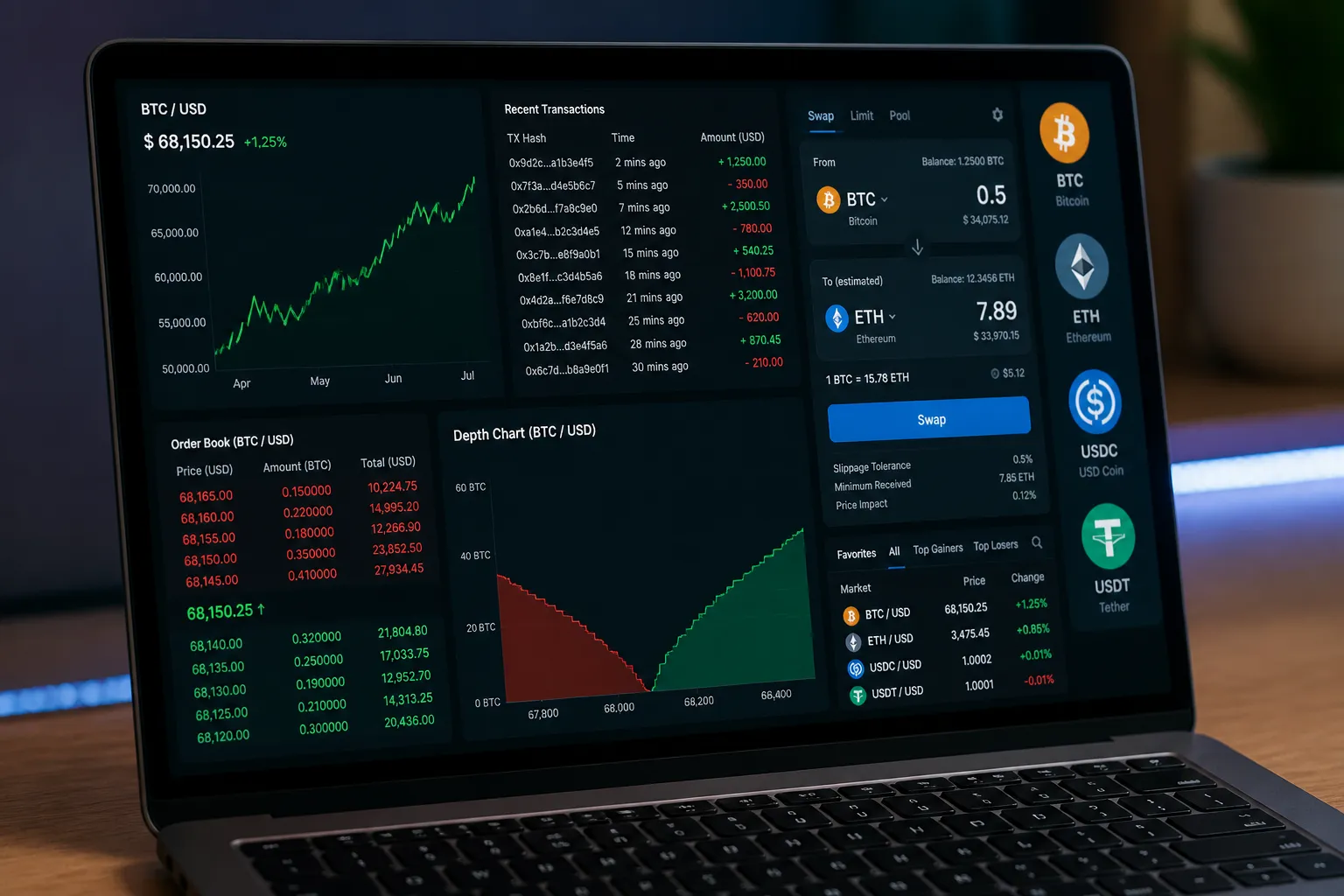
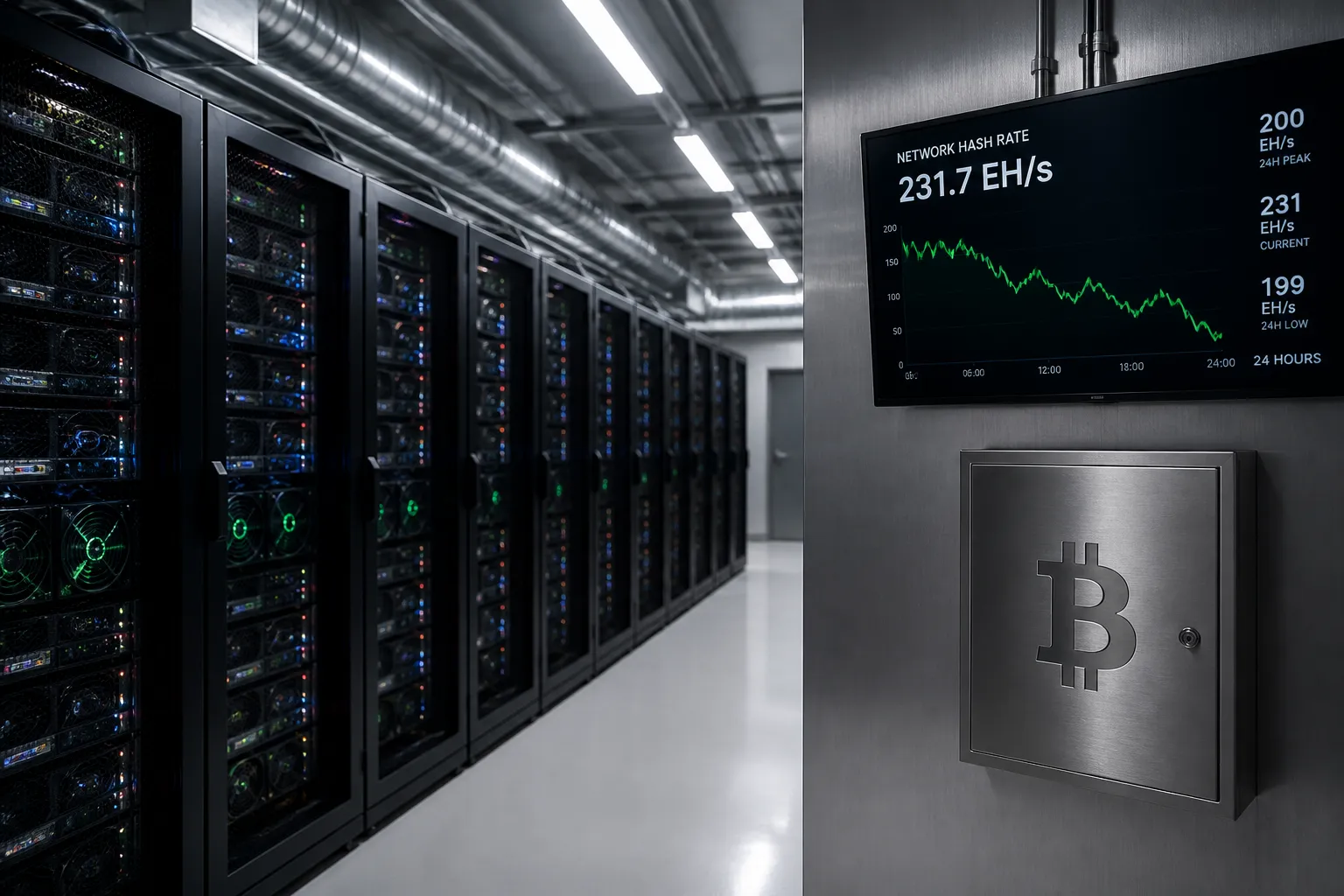
The drop follows a sustained decline in network hashrate over the past fortnight. At the end of May, the seven‑day moving average hovered around 1 zettahash per second (ZH/s). By June 10 it had slipped to about 861 exahash per second (EH/s), before rebounding modestly to roughly 894 EH/s. The contraction coincided with Bitcoin’s price sliding to a low of $60,000 in early June, before easing back to around $64,000.
During the price dip, hashprice – the daily revenue a miner earns per unit of hashrate – dipped below $30 per petahash per second (PH/s). That threshold is critical because it brings many operations close to or below gross breakeven when corporate overhead, debt service and expansion costs are added. While highly efficient fleets can stay profitable at lower hashprice levels, older‑generation rigs and sites with higher electricity costs are more likely to shut down when revenue falls.
A 9.55 % reduction in difficulty will boost the amount of Bitcoin earned per unit of active hashrate by more than 9 %. If Bitcoin’s price and transaction‑fee levels remain broadly stable, hashprice could rise back above the $30/PH/s breakeven point, easing pressure on high‑cost operators.
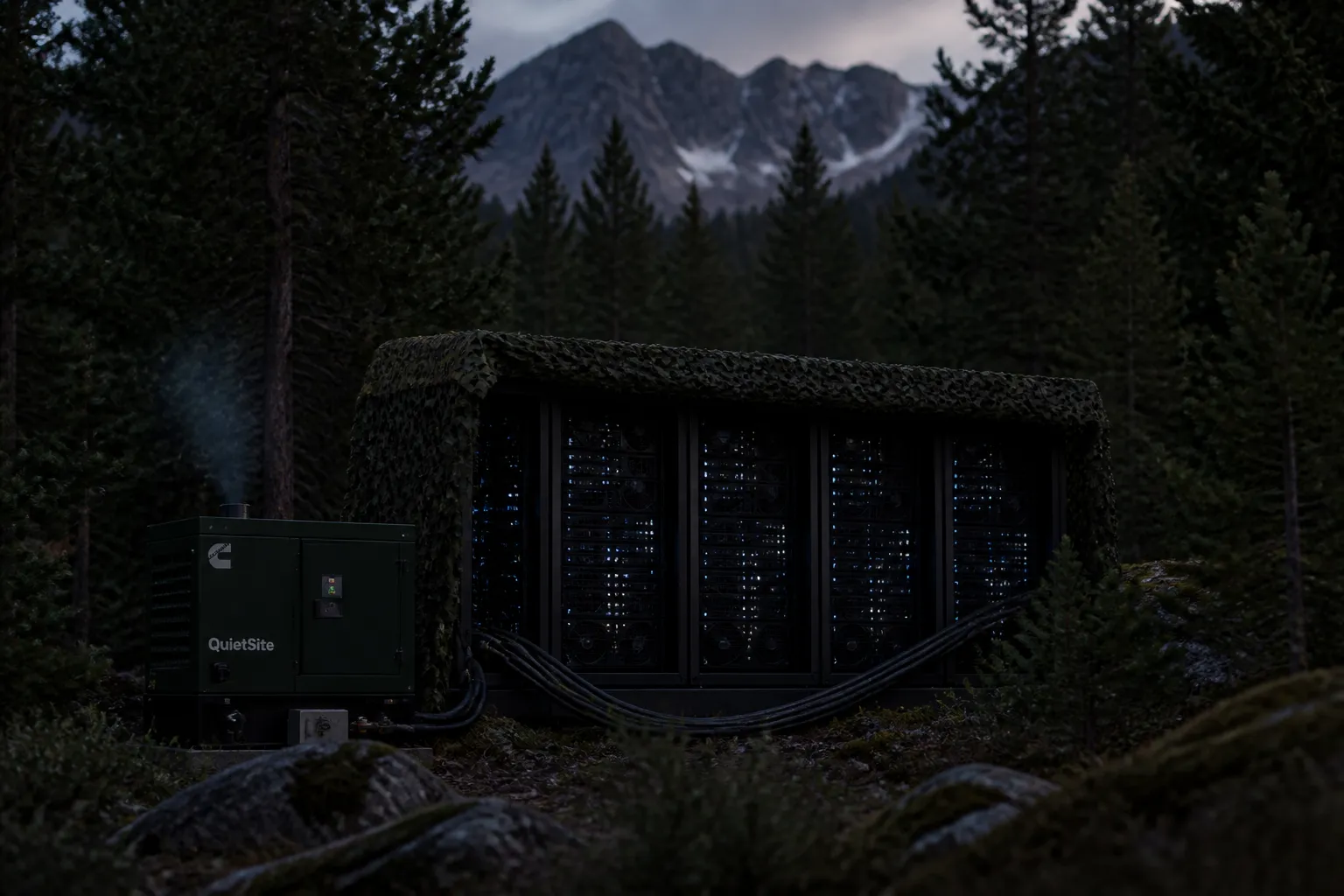
The hashrate decline is driven partly by economics and partly by a shift in power capacity. Several public miners have unplugged rigs or slowed growth as they retrofit sites for contracted artificial‑intelligence (AI) and high‑performance‑computing (HPC) workloads. This strategy can remove Bitcoin hashrate even when the underlying power capacity remains in use.
Texas also contributes to recent volatility. The state’s 4CP season began in June, when large power users in the Electric Reliability Council of Texas (ERCOT) try to avoid running during the four summer coincident‑peak intervals that determine next‑year transmission‑cost allocation. For Bitcoin miners, the 4CP mechanism creates a strong incentive to curtail during potential peak windows, even when real‑time power prices are not especially high. Texas is one of the largest mining markets in North America, so curtailment can temporarily reduce network hashrate.
The recent rebound in hashrate suggests that some of the early‑June reduction may have been a temporary curtailment rather than a permanent shutdown.
In summary, Bitcoin’s network is poised for a significant difficulty adjustment that will lower the cost of mining for the next epoch. The adjustment may help lift hashprice above the $30/PH/s breakeven point if Bitcoin’s price and fee levels hold steady. However, the long‑term hashrate trajectory remains uncertain, as miners balance economic pressures, power‑capacity reallocation to AI workloads, and regulatory changes such as Texas’s evolving 4CP rules.
The upcoming difficulty adjustment will be closely watched by miners, investors, and regulators alike, as it signals how the network adapts to price swings, power‑market dynamics, and the broader shift toward high‑performance computing in the energy‑intensive mining sector.
The drop follows a sustained decline in network hashrate over the past fortnight. At the end of May, the seven‑day moving average hovered around 1 zettahash per second (ZH/s). By June 10 it had slipped to about 861 exahash per second (EH/s), before rebounding modestly to roughly 894 EH/s. The contraction coincided with Bitcoin’s price sliding to a low of $60,000 in early June, before easing back to around $64,000.
During the price dip, hashprice – the daily revenue a miner earns per unit of hashrate – dipped below $30 per petahash per second (PH/s). That threshold is critical because it brings many operations close to or below gross breakeven when corporate overhead, debt service and expansion costs are added. While highly efficient fleets can stay profitable at lower hashprice levels, older‑generation rigs and sites with higher electricity costs are more likely to shut down when revenue falls.
A 9.55 % reduction in difficulty will boost the amount of Bitcoin earned per unit of active hashrate by more than 9 %. If Bitcoin’s price and transaction‑fee levels remain broadly stable, hashprice could rise back above the $30/PH/s breakeven point, easing pressure on high‑cost operators.
The hashrate decline is driven partly by economics and partly by a shift in power capacity. Several public miners have unplugged rigs or slowed growth as they retrofit sites for contracted artificial‑intelligence (AI) and high‑performance‑computing (HPC) workloads. This strategy can remove Bitcoin hashrate even when the underlying power capacity remains in use.
Texas also contributes to recent volatility. The state’s 4CP season began in June, when large power users in the Electric Reliability Council of Texas (ERCOT) try to avoid running during the four summer coincident‑peak intervals that determine next‑year transmission‑cost allocation. For Bitcoin miners, the 4CP mechanism creates a strong incentive to curtail during potential peak windows, even when real‑time power prices are not especially high. Texas is one of the largest mining markets in North America, so curtailment can temporarily reduce network hashrate.
The recent rebound in hashrate suggests that some of the early‑June reduction may have been a temporary curtailment rather than a permanent shutdown.
In summary, Bitcoin’s network is poised for a significant difficulty adjustment that will lower the cost of mining for the next epoch. The adjustment may help lift hashprice above the $30/PH/s breakeven point if Bitcoin’s price and fee levels hold steady. However, the long‑term hashrate trajectory remains uncertain, as miners balance economic pressures, power‑capacity reallocation to AI workloads, and regulatory changes such as Texas’s evolving 4CP rules.
The upcoming difficulty adjustment will be closely watched by miners, investors, and regulators alike, as it signals how the network adapts to price swings, power‑market dynamics, and the broader shift toward high‑performance computing in the energy‑intensive mining sector.