Blab Crypto
Crypto Payment Cards Shift from Niche to Mainstream, Kripicard Highlights Utility-Driven Demand
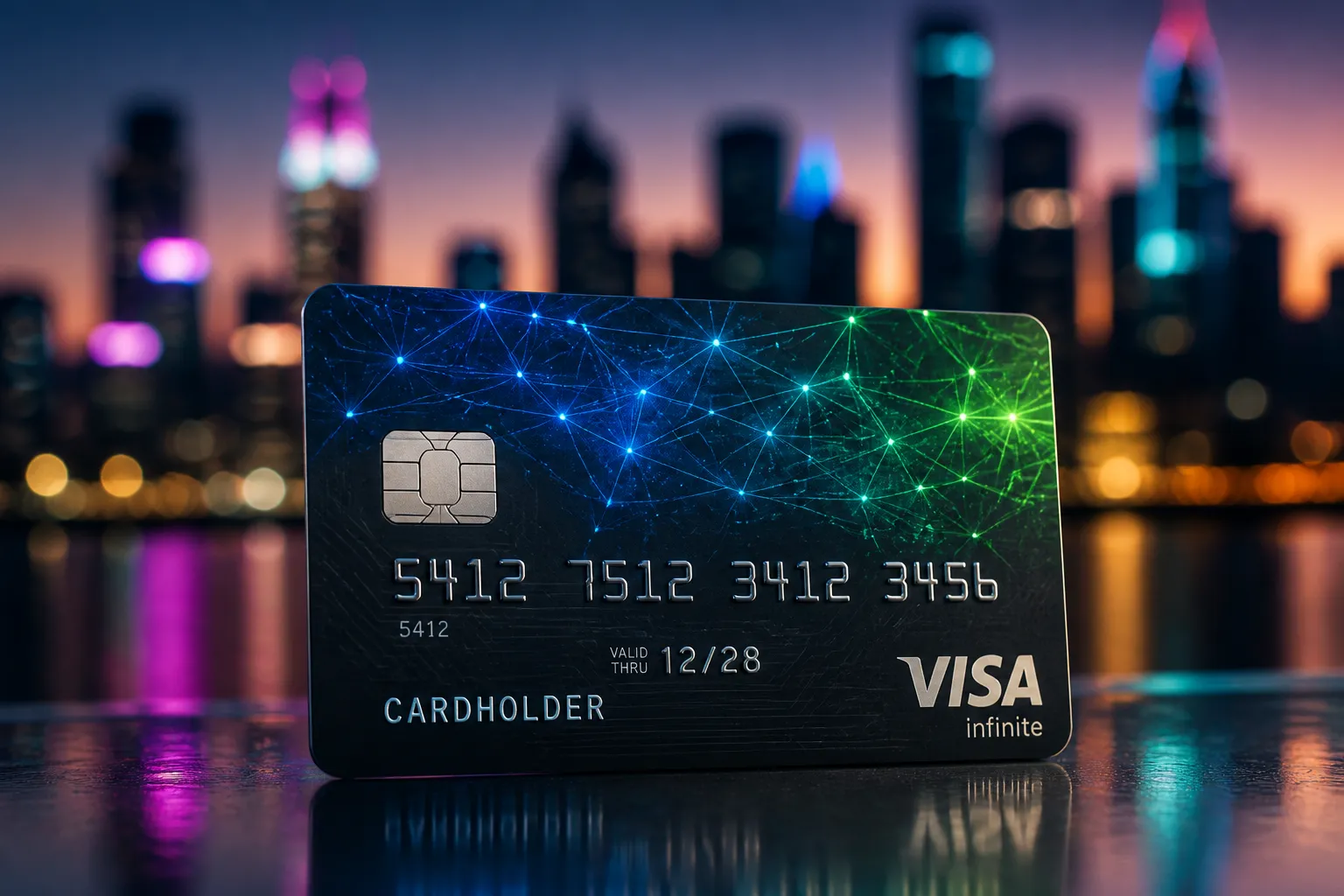
From a niche curiosity to a mainstream utility, crypto‑linked payment cards are stepping onto the global stage. On 13 June 2026, the Kripicard Press Office issued a statement from Rio de Janeiro, Brazil, announcing that the market for these cards is moving beyond a fringe hobby and becoming a standard payment option. Consumers are increasingly looking for practical ways to spend digital assets in everyday commerce.
Kripicard’s analysis points to a clear shift in what defines the “best crypto cards” in 2026. Instead of being judged by speculative trading features, the benchmark is now utility and routine use. The industry expects demand to grow as card‑linked solutions bridge blockchain‑held assets with the widely accepted payment rails that merchants, travel providers, subscription services, and everyday retailers already use.
The company highlights a change in user priorities. Early adopters were driven by trading and investment tools, but the current wave of users values seamless, reliable payment experiences. As a result, product design is moving toward familiar attributes: broad merchant acceptance, consistent transaction speed, compliance‑ready security, and mobile interfaces that simplify daily use.
Key practical capabilities shape consumer choice. Payment networks and merchant acceptance, settlement technologies that affect transaction speed and reconciliation, and support for multiple currencies—including stablecoins—are central to how the sector is evaluated. These factors, combined with expectations for account security and regulatory compliance, are the pillars guiding market participants and Kripicard’s own assessments.
Kripicard stresses that payment utility is one of the most important developments in the digital‑asset ecosystem. The company notes that as digital payment infrastructures mature, cards that are straightforward to use for online purchases and in‑person transactions tend to attract a broader user base.
The press office highlighted ongoing improvements in user experience across onboarding, account management, and point‑of‑sale interaction. Enhancements in mobile application workflows and clearer disclosure of supported currencies are two practical areas where product teams are placing emphasis. Kripicard also pointed to work within the payments sector on settlement efficiency and the operational mechanics that underpin merchant acceptance as key determinants of which offerings will be perceived as practical for everyday use.
Regulatory and compliance frameworks were identified as essential to sustaining consumer confidence and merchant willingness to process crypto‑linked transactions. The issuance and processing of payment cards tied to digital assets intersect with financial compliance regimes in multiple jurisdictions. Kripicard emphasised that alignment with those regimes remains a factor in product availability and merchant participation. Strengthening consumer protections and compliance practices was described as contributing to broader acceptance among traditional commerce participants.
The company outlined expectations for continued technical and operational developments that support card adoption. Anticipated areas of progress include increasing use of stablecoins for routine settlement, enhancements to net settlement and transfer speeds, and incremental advances in customer service and dispute resolution workflows specific to crypto‑linked payments.
Kripicard’s comments align with a broader movement within the digital‑asset sector to deliver tangible consumer value. By concentrating on integration with payment networks, reliability in transaction processing, and user‑centric mobile experiences, providers aim to position crypto cards as functional instruments for everyday expenditures. Industry observers maintain that this orientation toward utility will be a primary factor in determining which offerings capture mainstream consumer usage.
Additional context for the market comes from recent industry reports. A market‑size forecast published on 7 May 2026 estimates the global crypto payment card market at $1.5 billion in 2025, projected to grow to $1.8 billion in 2026 and reach $6.2 billion by 2034, with a compound annual growth rate of 16.5 %. A guide released on 24 April 2026 compares 16 leading products, while a top‑10 list published on 7 May 2026 highlights the most widely used cards. An article from 13 April 2026 reports 6‑fold growth in a year and a half, with $6.5 billion in cumulative spending across more than 21 million transactions.
Kripicard also announced several operational milestones in the past months. On 2 March 2026 the company launched high‑performance virtual cards for agencies, supporting global advertising operations. On 8 May 2026 it introduced a structured fund‑recovery program for users affected by issues related to card processing. A formal legal and compliance review was announced on 1 June 2026, and a structured refund process was initiated on 21 May 2026 to reinforce long‑term ecosystem stability.
In summary, Kripicard’s latest statement underscores a clear shift toward utility‑driven crypto payment cards. The company’s focus on merchant acceptance, settlement speed, security, and regulatory compliance reflects broader industry trends. Upcoming technical upgrades, continued regulatory alignment, and operational improvements are expected to shape the trajectory of crypto card adoption in the coming months.
Kripicard’s analysis points to a clear shift in what defines the “best crypto cards” in 2026. Instead of being judged by speculative trading features, the benchmark is now utility and routine use. The industry expects demand to grow as card‑linked solutions bridge blockchain‑held assets with the widely accepted payment rails that merchants, travel providers, subscription services, and everyday retailers already use.
The company highlights a change in user priorities. Early adopters were driven by trading and investment tools, but the current wave of users values seamless, reliable payment experiences. As a result, product design is moving toward familiar attributes: broad merchant acceptance, consistent transaction speed, compliance‑ready security, and mobile interfaces that simplify daily use.
Key practical capabilities shape consumer choice. Payment networks and merchant acceptance, settlement technologies that affect transaction speed and reconciliation, and support for multiple currencies—including stablecoins—are central to how the sector is evaluated. These factors, combined with expectations for account security and regulatory compliance, are the pillars guiding market participants and Kripicard’s own assessments.
Kripicard stresses that payment utility is one of the most important developments in the digital‑asset ecosystem. The company notes that as digital payment infrastructures mature, cards that are straightforward to use for online purchases and in‑person transactions tend to attract a broader user base.
The press office highlighted ongoing improvements in user experience across onboarding, account management, and point‑of‑sale interaction. Enhancements in mobile application workflows and clearer disclosure of supported currencies are two practical areas where product teams are placing emphasis. Kripicard also pointed to work within the payments sector on settlement efficiency and the operational mechanics that underpin merchant acceptance as key determinants of which offerings will be perceived as practical for everyday use.
Regulatory and compliance frameworks were identified as essential to sustaining consumer confidence and merchant willingness to process crypto‑linked transactions. The issuance and processing of payment cards tied to digital assets intersect with financial compliance regimes in multiple jurisdictions. Kripicard emphasised that alignment with those regimes remains a factor in product availability and merchant participation. Strengthening consumer protections and compliance practices was described as contributing to broader acceptance among traditional commerce participants.
The company outlined expectations for continued technical and operational developments that support card adoption. Anticipated areas of progress include increasing use of stablecoins for routine settlement, enhancements to net settlement and transfer speeds, and incremental advances in customer service and dispute resolution workflows specific to crypto‑linked payments.
Kripicard’s comments align with a broader movement within the digital‑asset sector to deliver tangible consumer value. By concentrating on integration with payment networks, reliability in transaction processing, and user‑centric mobile experiences, providers aim to position crypto cards as functional instruments for everyday expenditures. Industry observers maintain that this orientation toward utility will be a primary factor in determining which offerings capture mainstream consumer usage.
Additional context for the market comes from recent industry reports. A market‑size forecast published on 7 May 2026 estimates the global crypto payment card market at $1.5 billion in 2025, projected to grow to $1.8 billion in 2026 and reach $6.2 billion by 2034, with a compound annual growth rate of 16.5 %. A guide released on 24 April 2026 compares 16 leading products, while a top‑10 list published on 7 May 2026 highlights the most widely used cards. An article from 13 April 2026 reports 6‑fold growth in a year and a half, with $6.5 billion in cumulative spending across more than 21 million transactions.
Kripicard also announced several operational milestones in the past months. On 2 March 2026 the company launched high‑performance virtual cards for agencies, supporting global advertising operations. On 8 May 2026 it introduced a structured fund‑recovery program for users affected by issues related to card processing. A formal legal and compliance review was announced on 1 June 2026, and a structured refund process was initiated on 21 May 2026 to reinforce long‑term ecosystem stability.
In summary, Kripicard’s latest statement underscores a clear shift toward utility‑driven crypto payment cards. The company’s focus on merchant acceptance, settlement speed, security, and regulatory compliance reflects broader industry trends. Upcoming technical upgrades, continued regulatory alignment, and operational improvements are expected to shape the trajectory of crypto card adoption in the coming months.