Blab Crypto
2026 FIFA World Cup Expands to 48 Teams, Brings Blockchain and Prediction Markets to the Pitch
The 2026 FIFA World Cup, held from 11 June to 19 July across 16 cities in the United States, Canada and Mexico, is the first edition to feature 48 national teams and 104 matches. The expanded format has delivered a high‑scoring tournament, with the opening match on 13 June seeing the United States defeat Paraguay 4‑1. The larger pool of teams has also produced more lopsided results, a trend that organizers hoped would increase excitement for fans.
Kraken, the U.S.‑based cryptocurrency exchange, became the first official crypto exchange supporter of a FIFA World Cup when the partnership was announced on 9 June. The deal, confirmed by both Kraken and FIFA, is intended to introduce new audiences to digital assets through fan‑focused product experiences during the tournament.
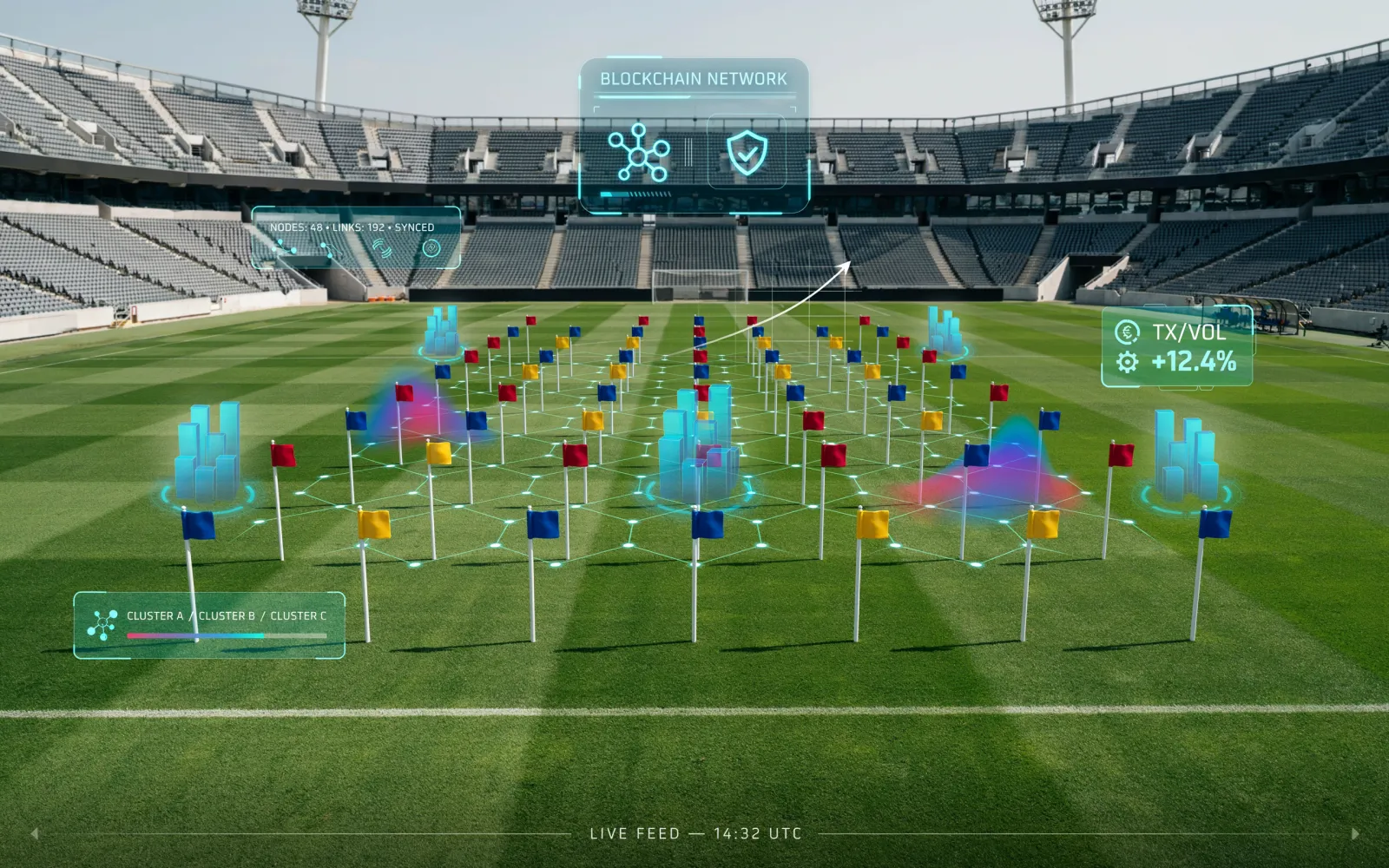
Avalanche, a public blockchain platform launched in September 2020, serves as the backbone for FIFA’s digital initiatives during the event. According to reports, Avalanche’s infrastructure is handling real‑time data for the 104 matches, providing a test case for Layer‑1 blockchains operating at the scale of a global sporting event.
Chainlink, a decentralized oracle network, powers prediction markets across platforms such as Myriad for every World Cup match. The integration of Chainlink oracles allows live data feeds to be used in real‑time betting markets, offering a practical demonstration of the technology’s utility beyond testnets.
Fan engagement is further amplified through tokens issued on the Chiliz and Socios ecosystems. Tokens linked to national teams—such as ARG for Argentina and POR for Portugal—have seen increased trading activity as the tournament progresses. The token prices move in response to match outcomes, team performance and fan sentiment, providing a direct financial link between supporters and their teams.
Analysts project that consumer sports betting and prediction market transactions could reach up to $10 billion over the six‑week tournament. This figure would represent a significant multiple of volumes seen during major political betting seasons, according to market analysts. Whether the market achieves that level will depend on sustained engagement throughout the tournament.
The combination of a larger tournament, a crypto‑friendly partnership, and blockchain‑based infrastructure represents a milestone for institutional adoption of digital assets in sports. If Avalanche’s backend systems remain reliable under the pressure of millions of concurrent users interacting with digital collectibles and fan experiences, the event could serve as a powerful case study for other large‑scale events.
Chainlink’s role in the prediction markets demonstrates real‑world utility for oracles in a high‑visibility setting. The infrastructure is not merely cosmetic; it feeds live data into markets that allow fans to bet on outcomes in real time.
As the World Cup continues, the integration of blockchain and prediction markets will likely influence how future sporting events engage with digital technologies. The partnership with Kraken, the use of Avalanche, and the deployment of Chainlink oracles together provide a comprehensive example of how traditional sports can coexist with emerging digital asset ecosystems.
In summary, the 2026 FIFA World Cup has expanded the competition format, increased scoring, and introduced a suite of blockchain technologies that could reshape fan interaction and betting markets. The outcome of these initiatives will be closely watched by both the sports and crypto communities as the tournament progresses.
Kraken, the U.S.‑based cryptocurrency exchange, became the first official crypto exchange supporter of a FIFA World Cup when the partnership was announced on 9 June. The deal, confirmed by both Kraken and FIFA, is intended to introduce new audiences to digital assets through fan‑focused product experiences during the tournament.
Avalanche, a public blockchain platform launched in September 2020, serves as the backbone for FIFA’s digital initiatives during the event. According to reports, Avalanche’s infrastructure is handling real‑time data for the 104 matches, providing a test case for Layer‑1 blockchains operating at the scale of a global sporting event.
Chainlink, a decentralized oracle network, powers prediction markets across platforms such as Myriad for every World Cup match. The integration of Chainlink oracles allows live data feeds to be used in real‑time betting markets, offering a practical demonstration of the technology’s utility beyond testnets.
Fan engagement is further amplified through tokens issued on the Chiliz and Socios ecosystems. Tokens linked to national teams—such as ARG for Argentina and POR for Portugal—have seen increased trading activity as the tournament progresses. The token prices move in response to match outcomes, team performance and fan sentiment, providing a direct financial link between supporters and their teams.
Analysts project that consumer sports betting and prediction market transactions could reach up to $10 billion over the six‑week tournament. This figure would represent a significant multiple of volumes seen during major political betting seasons, according to market analysts. Whether the market achieves that level will depend on sustained engagement throughout the tournament.
The combination of a larger tournament, a crypto‑friendly partnership, and blockchain‑based infrastructure represents a milestone for institutional adoption of digital assets in sports. If Avalanche’s backend systems remain reliable under the pressure of millions of concurrent users interacting with digital collectibles and fan experiences, the event could serve as a powerful case study for other large‑scale events.
Chainlink’s role in the prediction markets demonstrates real‑world utility for oracles in a high‑visibility setting. The infrastructure is not merely cosmetic; it feeds live data into markets that allow fans to bet on outcomes in real time.
As the World Cup continues, the integration of blockchain and prediction markets will likely influence how future sporting events engage with digital technologies. The partnership with Kraken, the use of Avalanche, and the deployment of Chainlink oracles together provide a comprehensive example of how traditional sports can coexist with emerging digital asset ecosystems.
In summary, the 2026 FIFA World Cup has expanded the competition format, increased scoring, and introduced a suite of blockchain technologies that could reshape fan interaction and betting markets. The outcome of these initiatives will be closely watched by both the sports and crypto communities as the tournament progresses.