Blab Crypto
Traditional Finance Adopts 24/7 Crypto-Style Trading After Market Turbulence
In late October 2025, a sudden collapse in Bitcoin prices triggered the largest single‑day liquidation of leveraged positions in cryptocurrency history, wiping out roughly $19 billion in long bets. The event forced a traditional‑finance trading desk to operate outside normal business hours, highlighting the growing influence of crypto’s always‑on markets.
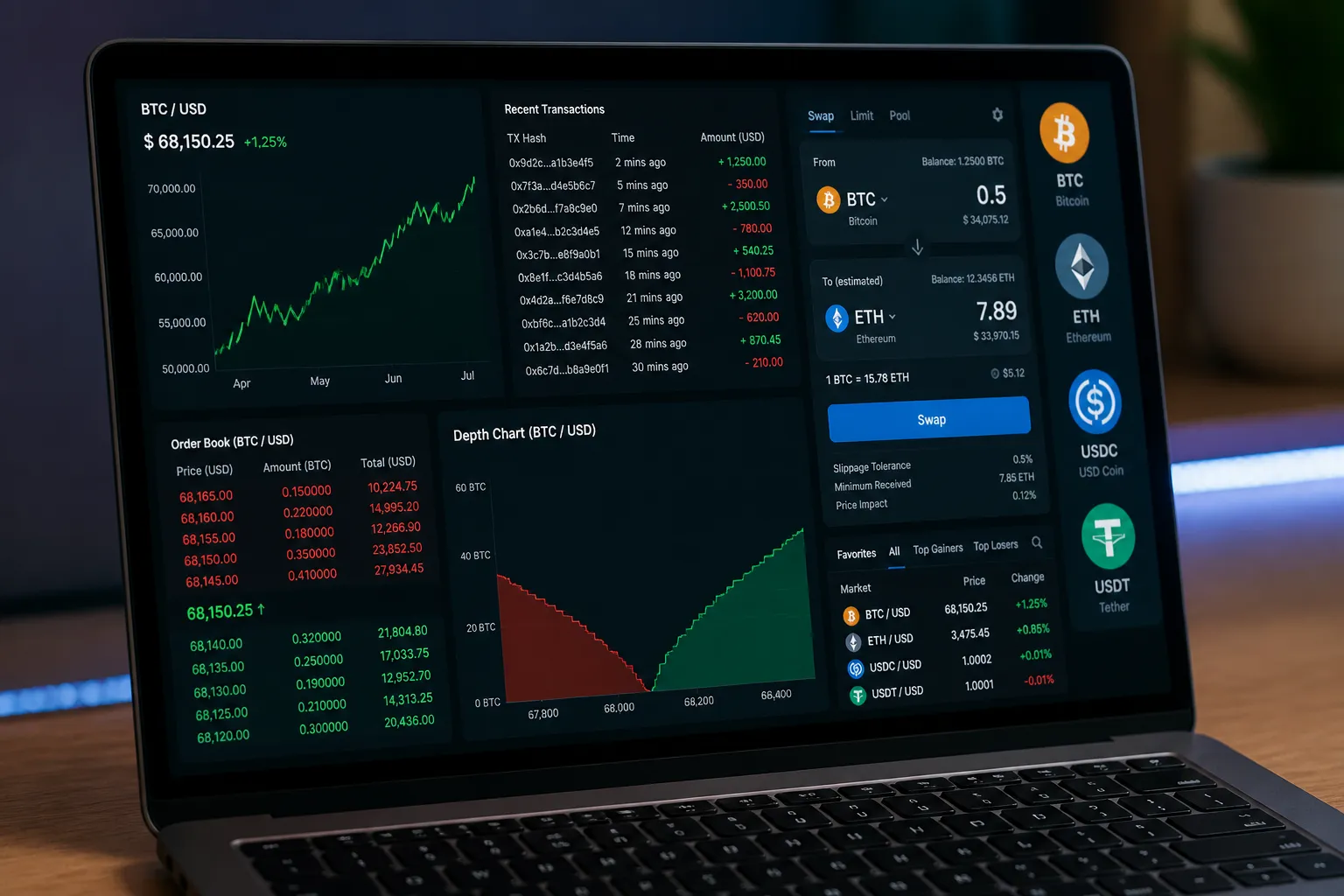
During his brother’s wedding reception, Nathanaël Cohen, the head of a proprietary trading desk that manages crypto positions, left the ceremony to monitor the market on his laptop. Bloomberg reported that Cohen spent the evening and the weekend adjusting orders, managing risk, and executing trades as Bitcoin fell from $126 k to below $116 k. The desk’s activity was driven by the need to protect capital amid a wave of forced liquidations that began on the Friday of the event.
The liquidation event was precipitated by a combination of high leverage and thin liquidity. According to reports from Decrypt and OKX, the market saw a cascade of margin calls that erased $19 billion of long exposure in under 24 hours. The sheer speed of the sell‑off exposed a structural flaw in the crypto ecosystem: the lack of a public backstop and the inability of regulators to intervene during off‑hours.
Traditional finance firms have long operated on a fixed schedule, closing markets at night and on weekends. The crypto market’s 24/7 nature has challenged that model. As Bloomberg noted, the crisis forced desks to stay open beyond regular hours, a practice that was previously uncommon in the industry. The incident accelerated a trend in which banks and hedge funds are integrating crypto trading into their core operations.
CryptoDamus, in a feature on the topic, described how the resilience of crypto markets during conventional exchange closures has prompted traditional institutions to adopt continuous trading. The article argues that the ability to trade at any time provides a competitive edge, especially when market conditions shift rapidly. It also points out that tokenized real‑world assets are gaining traction, further blurring the line between traditional and digital markets.
The shift has implications for market liquidity and risk management. Traditional desks now need to maintain infrastructure that can handle round‑the‑clock volatility, including real‑time risk analytics and automated liquidation controls. They also face new regulatory scrutiny, as regulators grapple with how to oversee activities that occur outside standard market hours.
Industry analysts say that the adoption of 24/7 trading by traditional finance may lead to greater integration of blockchain technology into mainstream financial services. However, the transition also raises concerns about systemic risk. Without a central clearinghouse or depositary, large‑scale liquidations can ripple across markets, as seen in the October event.
The incident has prompted several exchanges to explore hybrid models that combine the speed and accessibility of crypto markets with the regulatory oversight of traditional exchanges. Some platforms are developing tokenized securities that can trade continuously while still meeting compliance requirements.
In the coming months, the industry will watch how these hybrid models perform during periods of stress. The October liquidation remains a benchmark for evaluating the resilience of both crypto and traditional markets when operating around the clock.
The event underscores the need for robust risk frameworks that can adapt to the unique dynamics of digital asset markets. As traditional finance continues to embrace 24/7 trading, the boundaries between conventional and crypto markets will likely continue to erode, reshaping how capital flows across the global financial system.
During his brother’s wedding reception, Nathanaël Cohen, the head of a proprietary trading desk that manages crypto positions, left the ceremony to monitor the market on his laptop. Bloomberg reported that Cohen spent the evening and the weekend adjusting orders, managing risk, and executing trades as Bitcoin fell from $126 k to below $116 k. The desk’s activity was driven by the need to protect capital amid a wave of forced liquidations that began on the Friday of the event.
The liquidation event was precipitated by a combination of high leverage and thin liquidity. According to reports from Decrypt and OKX, the market saw a cascade of margin calls that erased $19 billion of long exposure in under 24 hours. The sheer speed of the sell‑off exposed a structural flaw in the crypto ecosystem: the lack of a public backstop and the inability of regulators to intervene during off‑hours.
Traditional finance firms have long operated on a fixed schedule, closing markets at night and on weekends. The crypto market’s 24/7 nature has challenged that model. As Bloomberg noted, the crisis forced desks to stay open beyond regular hours, a practice that was previously uncommon in the industry. The incident accelerated a trend in which banks and hedge funds are integrating crypto trading into their core operations.
CryptoDamus, in a feature on the topic, described how the resilience of crypto markets during conventional exchange closures has prompted traditional institutions to adopt continuous trading. The article argues that the ability to trade at any time provides a competitive edge, especially when market conditions shift rapidly. It also points out that tokenized real‑world assets are gaining traction, further blurring the line between traditional and digital markets.
The shift has implications for market liquidity and risk management. Traditional desks now need to maintain infrastructure that can handle round‑the‑clock volatility, including real‑time risk analytics and automated liquidation controls. They also face new regulatory scrutiny, as regulators grapple with how to oversee activities that occur outside standard market hours.
Industry analysts say that the adoption of 24/7 trading by traditional finance may lead to greater integration of blockchain technology into mainstream financial services. However, the transition also raises concerns about systemic risk. Without a central clearinghouse or depositary, large‑scale liquidations can ripple across markets, as seen in the October event.
The incident has prompted several exchanges to explore hybrid models that combine the speed and accessibility of crypto markets with the regulatory oversight of traditional exchanges. Some platforms are developing tokenized securities that can trade continuously while still meeting compliance requirements.
In the coming months, the industry will watch how these hybrid models perform during periods of stress. The October liquidation remains a benchmark for evaluating the resilience of both crypto and traditional markets when operating around the clock.
The event underscores the need for robust risk frameworks that can adapt to the unique dynamics of digital asset markets. As traditional finance continues to embrace 24/7 trading, the boundaries between conventional and crypto markets will likely continue to erode, reshaping how capital flows across the global financial system.