Blab Crypto
Albuquerque City Council Bans Physical Cryptocurrency ATMs to Protect Vulnerable Residents
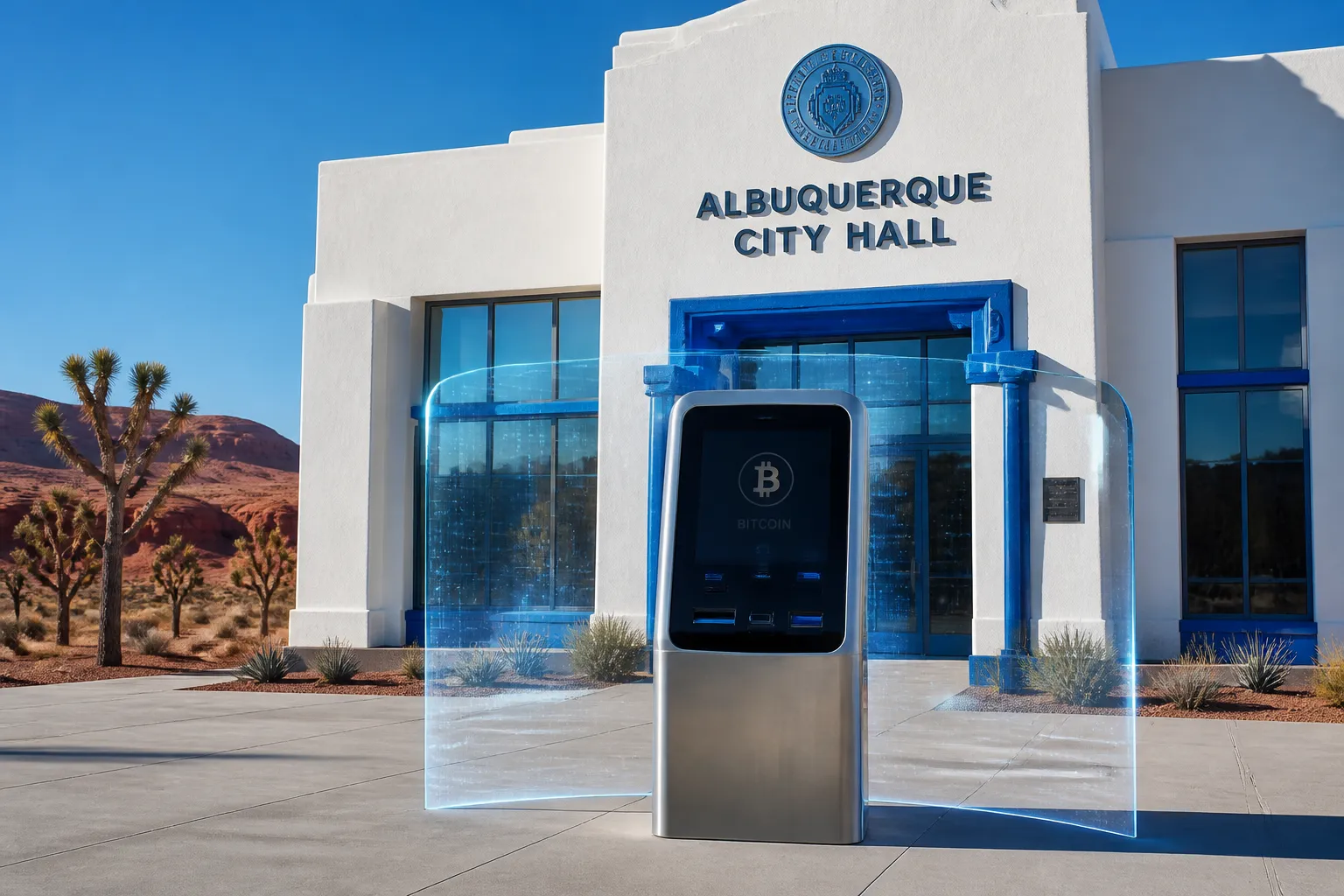
On September 10, 2026 the Albuquerque City Council approved Ordinance O‑26‑49, the Virtual Currency Ordinance, which prohibits the installation, operation, hosting, and facilitation of virtual‑currency automated teller machines (ATMs) and cashier‑facilitated virtual‑currency transactions within city limits.
The measure was co‑sponsored by District 1 Councilor Stephanie W. Telles and District 7 Councilor Tammy Fiebelkorn. It responds to a nationwide rise in fraud that the FBI’s Internet Crime Complaint Center (IC3) reports has cost consumers hundreds of millions of dollars. According to the councilors, “90 percent of crypto‑ATM transactions in Albuquerque are tied to fraud,” a figure that underscores the risk to older adults and other vulnerable groups.
City Councilor Telles explained that the kiosks “are a conduit for exploitation and crime.” She added that “no one who legitimately exchanges or transmits virtual currency uses these kiosks, because the high fees make them a ripoff.” Councilor Fiebelkorn said the ban is a “necessary, proactive measure to remove the physical infrastructure that enables these fraudulent activities.” Both councilors emphasized that the ordinance targets only the physical kiosks and cashier‑facilitated transactions, not the ownership or use of virtual currency itself.
Under the ordinance, property owners, landlords, and retailers that host or permit the operation of a virtual‑currency ATM face cumulative daily fines, potential revocation of business licenses, and injunctive action by the city. The ordinance also requires that all existing ATMs cease operations immediately and be physically removed no later than 45 days after the ordinance takes effect.
The city will begin notifying known operators and retail hosts of the new regulations and the removal deadline. The ordinance does not prohibit individuals from owning, possessing, mining, or transferring virtual currency through internet‑based exchanges or personal digital wallets.
Albuquerque’s action follows a growing trend of local governments addressing crypto‑ATM fraud. A federal court ruling, reported by a Tennessee news outlet, allowed the state to move forward with a similar ban, and other states such as Washington and Utah have enacted comparable restrictions.
The ordinance represents the city’s first regulatory step to curb the use of physical cryptocurrency kiosks while preserving consumer access to digital assets through regulated channels. The city’s next steps will include enforcement of the removal deadline and monitoring of compliance by property owners and operators.
As of the ordinance’s passage, Albuquerque remains the most populous city in New Mexico, with a population of 564,559 according to the 2020 census. The city’s decision reflects a broader effort to protect residents from financial fraud linked to unregulated cryptocurrency infrastructure.
The ordinance is expected to take effect shortly after the council vote, with the 45‑day removal period beginning on the effective date. The city has not yet announced a specific enforcement schedule, but it has indicated that it will pursue fines and license revocations for non‑compliance.
The measure will be monitored by local law‑enforcement agencies and the city’s regulatory department to ensure that all virtual‑currency ATMs are removed and that no new kiosks are installed without city approval.
The ordinance does not alter the legal status of virtual currency itself; residents can still buy, sell, and transfer digital assets through regulated exchanges and wallets.
The city’s decision underscores the importance of local regulation in addressing the risks posed by unregulated cryptocurrency infrastructure, while maintaining consumer access to digital financial services.
The ordinance’s passage marks a significant step for Albuquerque in safeguarding its residents from fraud and exploitation associated with physical cryptocurrency ATMs.
The measure was co‑sponsored by District 1 Councilor Stephanie W. Telles and District 7 Councilor Tammy Fiebelkorn. It responds to a nationwide rise in fraud that the FBI’s Internet Crime Complaint Center (IC3) reports has cost consumers hundreds of millions of dollars. According to the councilors, “90 percent of crypto‑ATM transactions in Albuquerque are tied to fraud,” a figure that underscores the risk to older adults and other vulnerable groups.
City Councilor Telles explained that the kiosks “are a conduit for exploitation and crime.” She added that “no one who legitimately exchanges or transmits virtual currency uses these kiosks, because the high fees make them a ripoff.” Councilor Fiebelkorn said the ban is a “necessary, proactive measure to remove the physical infrastructure that enables these fraudulent activities.” Both councilors emphasized that the ordinance targets only the physical kiosks and cashier‑facilitated transactions, not the ownership or use of virtual currency itself.
Under the ordinance, property owners, landlords, and retailers that host or permit the operation of a virtual‑currency ATM face cumulative daily fines, potential revocation of business licenses, and injunctive action by the city. The ordinance also requires that all existing ATMs cease operations immediately and be physically removed no later than 45 days after the ordinance takes effect.
The city will begin notifying known operators and retail hosts of the new regulations and the removal deadline. The ordinance does not prohibit individuals from owning, possessing, mining, or transferring virtual currency through internet‑based exchanges or personal digital wallets.
Albuquerque’s action follows a growing trend of local governments addressing crypto‑ATM fraud. A federal court ruling, reported by a Tennessee news outlet, allowed the state to move forward with a similar ban, and other states such as Washington and Utah have enacted comparable restrictions.
The ordinance represents the city’s first regulatory step to curb the use of physical cryptocurrency kiosks while preserving consumer access to digital assets through regulated channels. The city’s next steps will include enforcement of the removal deadline and monitoring of compliance by property owners and operators.
As of the ordinance’s passage, Albuquerque remains the most populous city in New Mexico, with a population of 564,559 according to the 2020 census. The city’s decision reflects a broader effort to protect residents from financial fraud linked to unregulated cryptocurrency infrastructure.
The ordinance is expected to take effect shortly after the council vote, with the 45‑day removal period beginning on the effective date. The city has not yet announced a specific enforcement schedule, but it has indicated that it will pursue fines and license revocations for non‑compliance.
The measure will be monitored by local law‑enforcement agencies and the city’s regulatory department to ensure that all virtual‑currency ATMs are removed and that no new kiosks are installed without city approval.
The ordinance does not alter the legal status of virtual currency itself; residents can still buy, sell, and transfer digital assets through regulated exchanges and wallets.
The city’s decision underscores the importance of local regulation in addressing the risks posed by unregulated cryptocurrency infrastructure, while maintaining consumer access to digital financial services.
The ordinance’s passage marks a significant step for Albuquerque in safeguarding its residents from fraud and exploitation associated with physical cryptocurrency ATMs.







