Blab Crypto
Illegal Crypto-Mining Operation Discovered in Pueblas Sierra Norte Mountains
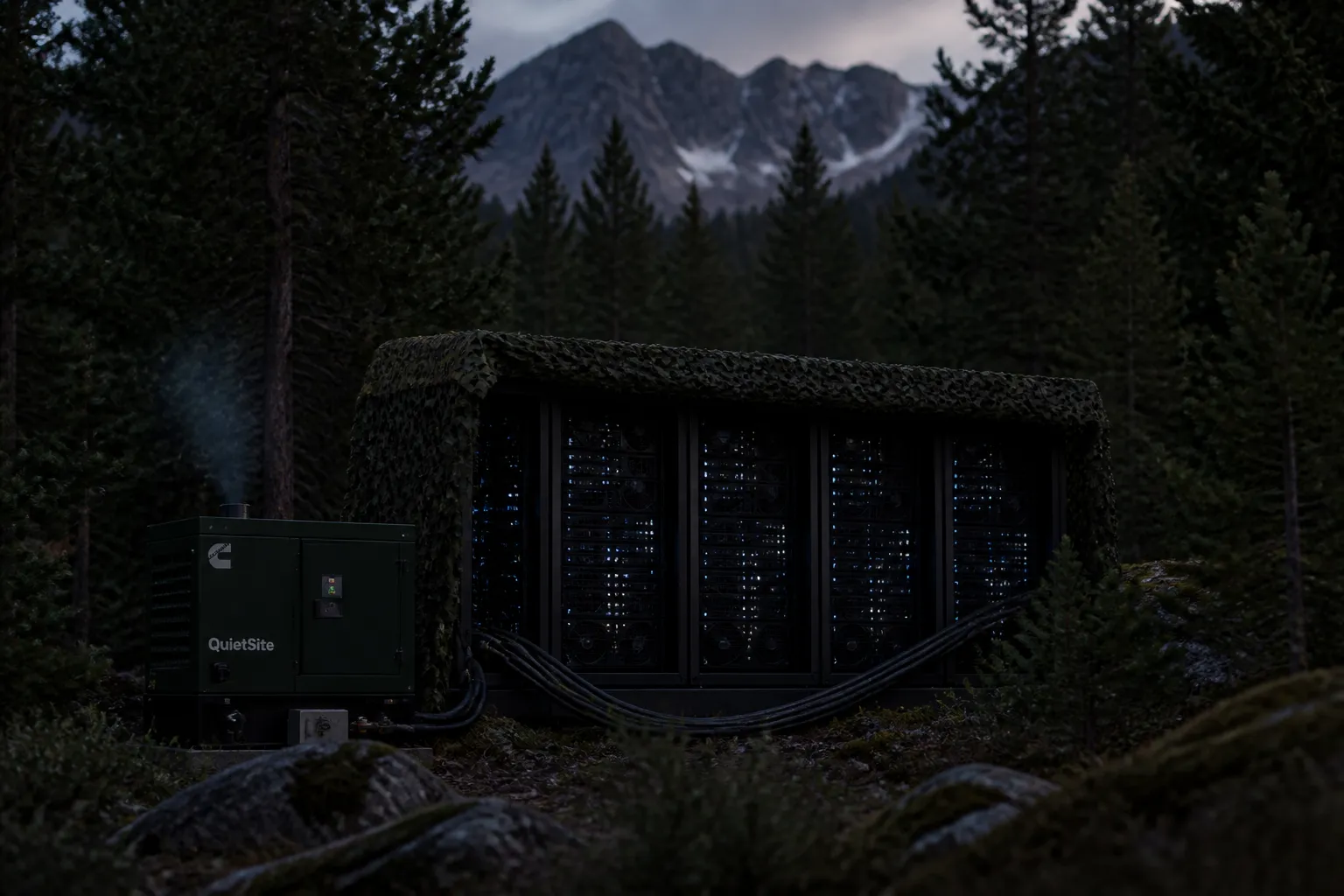
A remote clearing in Puebla’s Sierra Norte mountains turned into a clandestine crypto‑mining hub when Mexican police raided a little‑used dirt road on September 12, 2026. The operation, revealed by a Reuters report released that day, housed 300 graphics processing units (GPUs), 80 medium‑voltage terminals and eight satellite antennas.
This raid marks the fourth clandestine mining farm seized in the region since the start of 2026. All sites sit close to the hydroelectric complex that feeds the local grid, underscoring a growing trend of illicit crypto‑mining in Mexico’s remote highlands.
Investigators first flagged the site after detecting an unusually loud mechanical hum and a sudden spike in electricity consumption that could not be explained by the small nearby communities. The noise was audible from about one kilometre away, and the building itself lies roughly two kilometres from the nearest village. Residents worried that the operation might attract retaliation from criminal groups.
While 300 GPUs are modest compared with global industrial farms, the cost structure of mining remains heavily dependent on electricity. The Cambridge Bitcoin Electricity Consumption Index estimates that mining a single bitcoin requires roughly $45,000 in energy costs. At the current bitcoin price of around $78,000, the operation could still be profitable if electricity is obtained at low or zero cost.
Energy analyst Samuel Leon, who works at the Ibero‑American University in Mexico, said that access to cheap or illegally obtained power could make crypto‑mining attractive to organized crime. “If the electricity was stolen, the operation’s main expenses were effectively zero,” he noted.
The possibility of electricity theft is a key concern. The hydroelectric plant is connected to the national grid, and the mining farm’s proximity suggests it may have tapped into the plant’s infrastructure. Mexican prosecutors have declined to comment on the investigation, stating that the case is still underway.
The broader context of illicit crypto activity is highlighted by Chainalysis data. In 2025, the volume of digital‑asset transactions linked to criminal activity more than doubled, with $154 billion in assets transferred to addresses identified as illicit, compared with $59 billion the year before. A significant portion of the increase is attributed to transactions designed to circumvent international sanctions.
Latin American cartels have increasingly used cryptocurrency transfers and mining to conceal the origins of their proceeds. Chainalysis specialist Caio Mota said criminal groups are actively seeking locations with cheap electricity or where they can control energy infrastructure.
Similar raids have taken place in other countries. In Brazil, authorities dismantled a large mining operation in the Amazon. In the United States, federal agents seized a facility in Nevada that had been drawing power from a local power plant. Thailand’s police uncovered a bitcoin‑mining operation that spanned five provinces.
The Mexican case illustrates how crypto‑mining can serve as both a financial scheme and a component of a broader criminal infrastructure. The use of remote mountainous terrain provides cover and reduces the likelihood of detection, while the potential for electricity theft lowers operating costs.
Law enforcement agencies are improving their capacity to investigate and prosecute organized crime that leverages digital currencies. The ongoing investigation in Puebla will determine whether the facility was linked to a specific cartel and whether electricity theft was involved. The outcome will inform future regulatory and enforcement strategies aimed at curbing illicit crypto‑mining in Mexico and beyond.
At present, the seized equipment remains in police custody, and no charges have been filed. The federal prosecutor’s office has not released further details, and the investigation is ongoing.
This raid marks the fourth clandestine mining farm seized in the region since the start of 2026. All sites sit close to the hydroelectric complex that feeds the local grid, underscoring a growing trend of illicit crypto‑mining in Mexico’s remote highlands.
Investigators first flagged the site after detecting an unusually loud mechanical hum and a sudden spike in electricity consumption that could not be explained by the small nearby communities. The noise was audible from about one kilometre away, and the building itself lies roughly two kilometres from the nearest village. Residents worried that the operation might attract retaliation from criminal groups.
While 300 GPUs are modest compared with global industrial farms, the cost structure of mining remains heavily dependent on electricity. The Cambridge Bitcoin Electricity Consumption Index estimates that mining a single bitcoin requires roughly $45,000 in energy costs. At the current bitcoin price of around $78,000, the operation could still be profitable if electricity is obtained at low or zero cost.
Energy analyst Samuel Leon, who works at the Ibero‑American University in Mexico, said that access to cheap or illegally obtained power could make crypto‑mining attractive to organized crime. “If the electricity was stolen, the operation’s main expenses were effectively zero,” he noted.
The possibility of electricity theft is a key concern. The hydroelectric plant is connected to the national grid, and the mining farm’s proximity suggests it may have tapped into the plant’s infrastructure. Mexican prosecutors have declined to comment on the investigation, stating that the case is still underway.
The broader context of illicit crypto activity is highlighted by Chainalysis data. In 2025, the volume of digital‑asset transactions linked to criminal activity more than doubled, with $154 billion in assets transferred to addresses identified as illicit, compared with $59 billion the year before. A significant portion of the increase is attributed to transactions designed to circumvent international sanctions.
Latin American cartels have increasingly used cryptocurrency transfers and mining to conceal the origins of their proceeds. Chainalysis specialist Caio Mota said criminal groups are actively seeking locations with cheap electricity or where they can control energy infrastructure.
Similar raids have taken place in other countries. In Brazil, authorities dismantled a large mining operation in the Amazon. In the United States, federal agents seized a facility in Nevada that had been drawing power from a local power plant. Thailand’s police uncovered a bitcoin‑mining operation that spanned five provinces.
The Mexican case illustrates how crypto‑mining can serve as both a financial scheme and a component of a broader criminal infrastructure. The use of remote mountainous terrain provides cover and reduces the likelihood of detection, while the potential for electricity theft lowers operating costs.
Law enforcement agencies are improving their capacity to investigate and prosecute organized crime that leverages digital currencies. The ongoing investigation in Puebla will determine whether the facility was linked to a specific cartel and whether electricity theft was involved. The outcome will inform future regulatory and enforcement strategies aimed at curbing illicit crypto‑mining in Mexico and beyond.
At present, the seized equipment remains in police custody, and no charges have been filed. The federal prosecutor’s office has not released further details, and the investigation is ongoing.