Blab Crypto
Iranian Missile Strike on Kuwaits Academy of Security Highlights Escalating Gulf Conflict and Crypto Market Shock
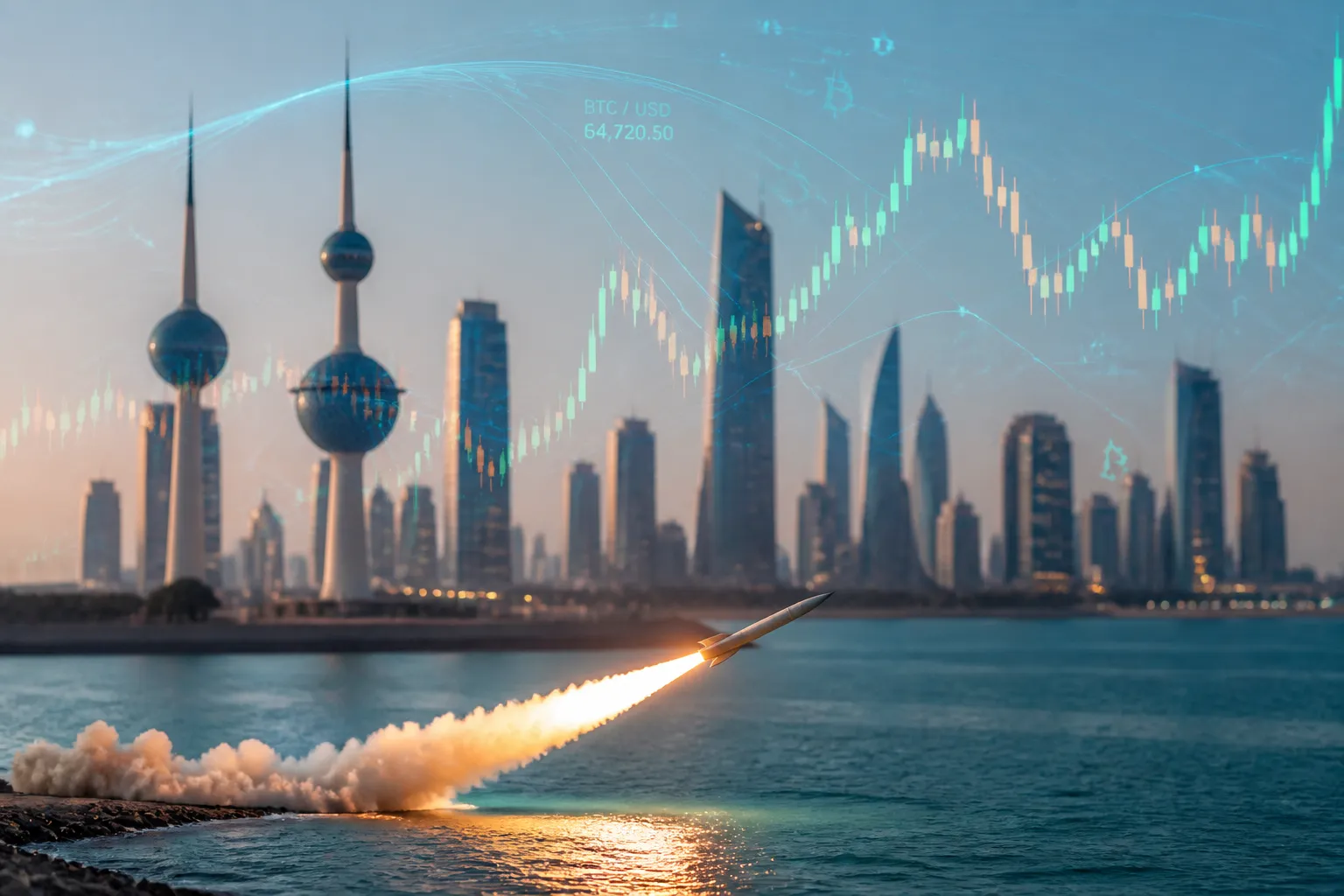
On 18 July 2026, a burst of fire erupted at Kuwait’s Academy of Security when an Iranian ballistic missile struck the facility, igniting a large blaze and marking the latest flare in a campaign that has stretched from February to July. The short‑range missile damaged the building’s power and water systems, and nearby utilities, even as Kuwait’s air‑defence units intercepted many incoming projectiles.
The Academy of Security is a key site for the Kuwaiti Ministry of Interior. While most projectiles were stopped, the strike that reached the Academy demonstrates that some weapons slipped through defensive layers. According to the Kuwaiti army, the hit also damaged adjacent power and water infrastructure, raising concerns about service disruptions for the broader population.
Iran has framed the attacks as retaliation for U.S. airstrikes in the region, asserting that they are intended to disrupt U.S. operations that it says protect shipping routes through the Strait of Hormuz—a narrow waterway that carries roughly a fifth of the world’s oil supply each day. Kuwait and Bahrain have remained on high alert since late February, and repeated missile threats have forced both nations into a sustained defensive posture.
The campaign fits into a broader pattern of Iranian military activity that began on 28 February 2026, when the United States and Israel launched strikes on Iranian targets in response to a series of Iranian attacks on U.S. and Israeli interests. Since then, Iranian forces have carried out a decentralized series of missile and drone attacks against Israel, U.S.‑aligned Arab countries, and U.S. military bases across the Gulf. Iranian officials say the strategy focuses on disrupting missile‑defence systems and degrading military capabilities.
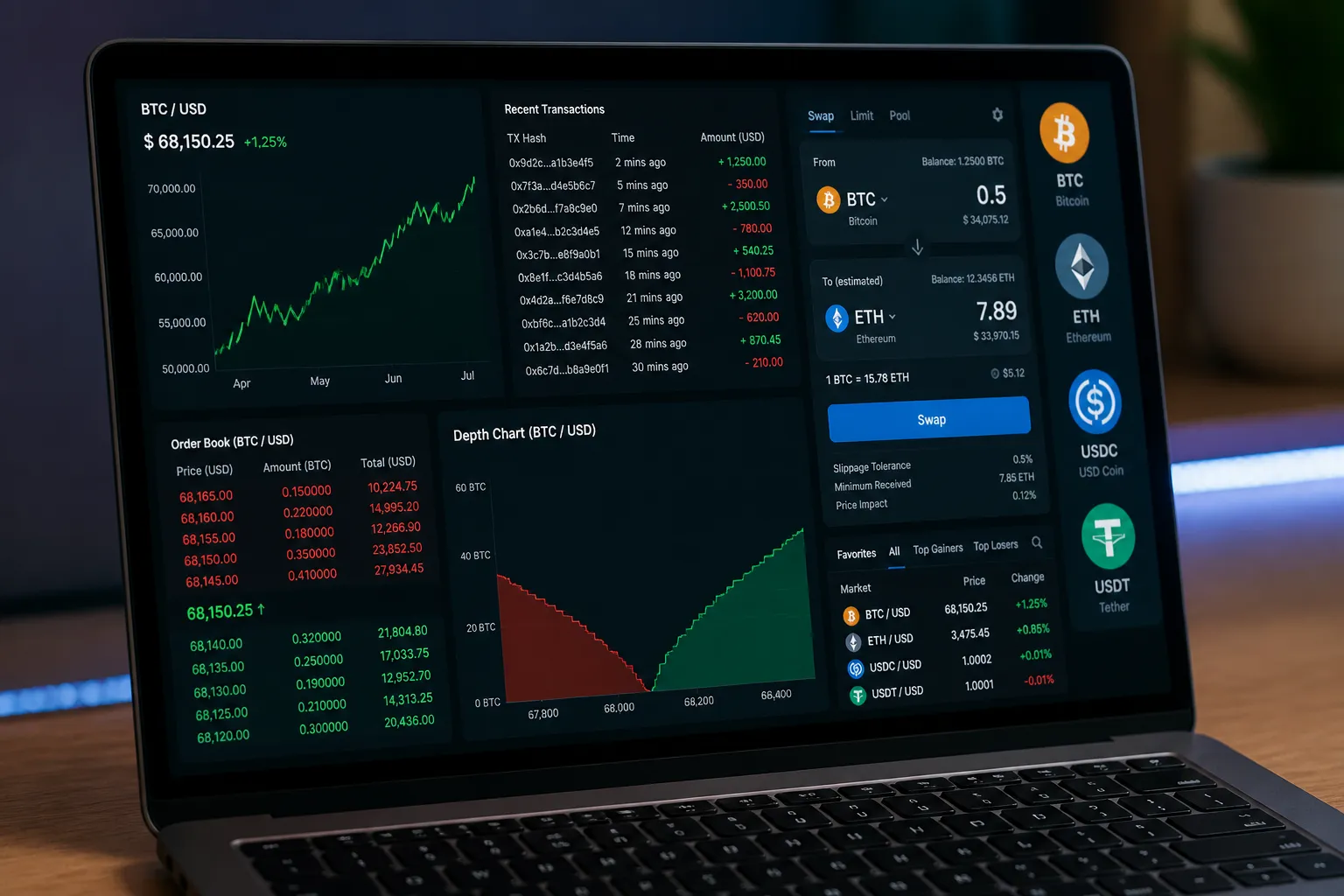
The conflict’s fallout has been immediate for global markets. During one of the most intense periods of escalation earlier in 2026, Bitcoin fell below $73,000, and the market saw a surge of liquidations that exceeded $1 billion across major exchanges. Meme coins such as PEPE, DOGE, and SHIB suffered significant losses, with PEPE dropping up to 6.5% during the crisis. Bitcoin also breached the $100,000 level at several points, a threshold that had previously served as a major support zone.
The sharp rise in oil prices—driven by fears of a prolonged blockade of the Strait of Hormuz—has fed into inflation expectations and could delay or reverse the monetary easing that crypto markets had been anticipating. The over $1 billion in liquidations during earlier escalations shows that the crypto market’s leverage profile is highly exposed to sudden geopolitical shocks. When oil prices spike, crypto has faced selling pressure within hours throughout 2026.
The ongoing war, which began on 28 February 2026, has already resulted in thousands of civilian and military casualties and has disrupted global oil supply chains. The United Nations Security Council passed a resolution condemning Iran’s retaliatory strikes on Gulf states, and a two‑week ceasefire was agreed in early April. The ceasefire collapsed in July after further attacks by both sides.
In the immediate term, Kuwait’s air‑defence systems remain on high alert, and the country is monitoring the situation closely. The United States has maintained a naval presence in the Gulf, and the broader international community continues to watch for any further escalation that could threaten the stability of the Strait of Hormuz and the global energy market.
The latest strike underscores the interconnectedness of geopolitical conflict and financial markets. While the immediate physical damage is limited to the Academy of Security and nearby infrastructure, the broader implications for oil supply, market volatility, and crypto leverage exposure are significant. The situation remains fluid, and further developments could prompt additional defensive measures by Gulf states and further market reactions.
The Academy of Security is a key site for the Kuwaiti Ministry of Interior. While most projectiles were stopped, the strike that reached the Academy demonstrates that some weapons slipped through defensive layers. According to the Kuwaiti army, the hit also damaged adjacent power and water infrastructure, raising concerns about service disruptions for the broader population.
Iran has framed the attacks as retaliation for U.S. airstrikes in the region, asserting that they are intended to disrupt U.S. operations that it says protect shipping routes through the Strait of Hormuz—a narrow waterway that carries roughly a fifth of the world’s oil supply each day. Kuwait and Bahrain have remained on high alert since late February, and repeated missile threats have forced both nations into a sustained defensive posture.
The campaign fits into a broader pattern of Iranian military activity that began on 28 February 2026, when the United States and Israel launched strikes on Iranian targets in response to a series of Iranian attacks on U.S. and Israeli interests. Since then, Iranian forces have carried out a decentralized series of missile and drone attacks against Israel, U.S.‑aligned Arab countries, and U.S. military bases across the Gulf. Iranian officials say the strategy focuses on disrupting missile‑defence systems and degrading military capabilities.
The conflict’s fallout has been immediate for global markets. During one of the most intense periods of escalation earlier in 2026, Bitcoin fell below $73,000, and the market saw a surge of liquidations that exceeded $1 billion across major exchanges. Meme coins such as PEPE, DOGE, and SHIB suffered significant losses, with PEPE dropping up to 6.5% during the crisis. Bitcoin also breached the $100,000 level at several points, a threshold that had previously served as a major support zone.
The sharp rise in oil prices—driven by fears of a prolonged blockade of the Strait of Hormuz—has fed into inflation expectations and could delay or reverse the monetary easing that crypto markets had been anticipating. The over $1 billion in liquidations during earlier escalations shows that the crypto market’s leverage profile is highly exposed to sudden geopolitical shocks. When oil prices spike, crypto has faced selling pressure within hours throughout 2026.
The ongoing war, which began on 28 February 2026, has already resulted in thousands of civilian and military casualties and has disrupted global oil supply chains. The United Nations Security Council passed a resolution condemning Iran’s retaliatory strikes on Gulf states, and a two‑week ceasefire was agreed in early April. The ceasefire collapsed in July after further attacks by both sides.
In the immediate term, Kuwait’s air‑defence systems remain on high alert, and the country is monitoring the situation closely. The United States has maintained a naval presence in the Gulf, and the broader international community continues to watch for any further escalation that could threaten the stability of the Strait of Hormuz and the global energy market.
The latest strike underscores the interconnectedness of geopolitical conflict and financial markets. While the immediate physical damage is limited to the Academy of Security and nearby infrastructure, the broader implications for oil supply, market volatility, and crypto leverage exposure are significant. The situation remains fluid, and further developments could prompt additional defensive measures by Gulf states and further market reactions.