Blab Crypto
Tyler, Texas, Denies Permit for Proposed Bitcoin Mining Data Center
A bid to build a Bitcoin‑mining data center on a 1.92‑acre parcel at 1101 and 1105 West Erwin Street was turned down by Tyler’s Planning and Zoning Commission on Tuesday. The commission voted 5‑2 to deny the special‑use permit that Vulcan Core LLC had requested for the site, which sits near the city’s downtown core.
The decision came after a packed City Hall session in which residents voiced worries about the project’s water usage, noise, and overall impact on local resources. Homeowners and neighborhood groups warned that the facility would need a substantial water supply and could generate low‑frequency vibrations that might affect nearby homes. One resident, Hannah Morris, told reporters that, “We were told that it’s a close‑knit system, but water doesn’t magically appear,” according to KETK.
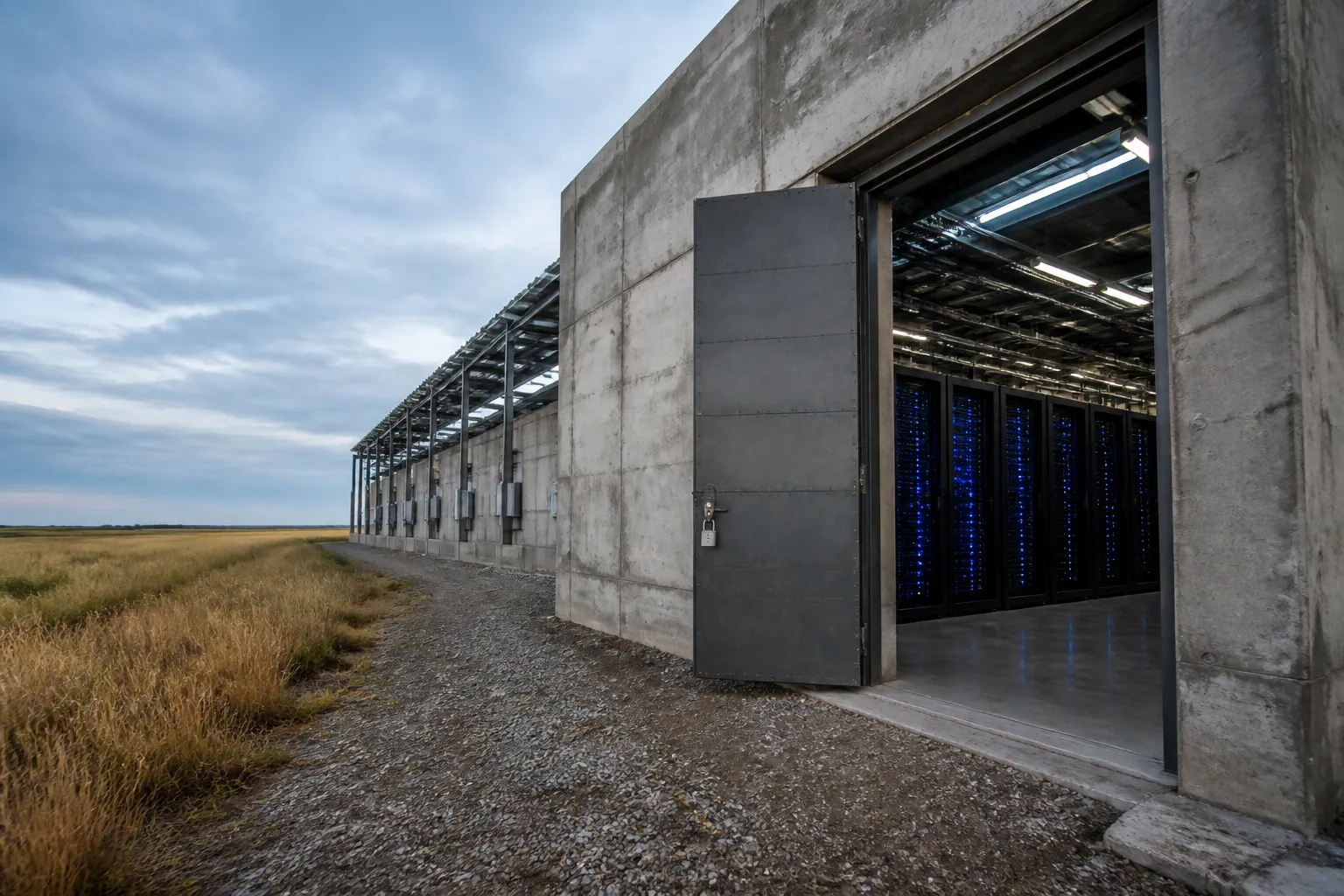
Vulcan Core, which has previously outlined plans for a 12,500‑MW Bitcoin‑mining complex near downtown Tyler, sought the permit to allow construction of a data center that would house high‑performance mining hardware. City staff had supported the proposal, but the public hearing made clear that the community’s priority was to preserve the character and livability of the neighborhood.
The commission’s vote reflected the residents’ objections. The five commissioners who voted in favor of the denial argued that the project would place unacceptable demands on water resources and local infrastructure. They also noted that the projected seven to ten jobs would not justify the potential impacts on city services and quality of life.
An Oncor representative told the station that customers in the area were not expected to see higher electric bills as a result of the mining operation. The company’s statement was cited during the hearing, but it did not sway the majority of commissioners.
Vulcan Core can appeal the denial, the station reported. An appeal would likely involve a review of the zoning decision and a request for reconsideration of the permit’s environmental and community impact assessments.
The Tyler case illustrates the broader tension that often arises when crypto‑mining projects are proposed near residential or downtown areas. Mining operations can offer economic development and the possibility of pairing with renewable energy sources, but critics point to high electricity demand, water use, noise, and land‑use conflicts.
In Tyler, the debate focused on whether the specific location was appropriate. Residents emphasized that the project’s proximity to homes and the city’s core made the potential impacts more immediate.
The city’s decision also reflects a growing trend in the crypto industry: public acceptance increasingly depends on siting, transparency, and community engagement. Local zoning hearings can shape how emerging technologies expand and where they can operate.
The outcome of the appeal will determine whether Vulcan Core can proceed with the data center or whether the project will be redesigned, relocated, or abandoned. The commission’s ruling underscores the importance of local input in decisions that affect shared resources and public services.
The Tyler denial is one of several recent cases in which crypto‑mining proposals have been challenged on environmental and community grounds. As the industry continues to grow, developers and regulators will need to balance the benefits of mining with the needs of the communities in which they operate.
For now, the most immediate action is the local permitting process. Residents who attended the meeting expressed that the conversation in Tyler is likely not over, and they expect an appeal. Future discussions could focus on whether the project can be redesigned, relocated, or paired with stronger safeguards that better address neighborhood concerns.
The decision came after a packed City Hall session in which residents voiced worries about the project’s water usage, noise, and overall impact on local resources. Homeowners and neighborhood groups warned that the facility would need a substantial water supply and could generate low‑frequency vibrations that might affect nearby homes. One resident, Hannah Morris, told reporters that, “We were told that it’s a close‑knit system, but water doesn’t magically appear,” according to KETK.
Vulcan Core, which has previously outlined plans for a 12,500‑MW Bitcoin‑mining complex near downtown Tyler, sought the permit to allow construction of a data center that would house high‑performance mining hardware. City staff had supported the proposal, but the public hearing made clear that the community’s priority was to preserve the character and livability of the neighborhood.
The commission’s vote reflected the residents’ objections. The five commissioners who voted in favor of the denial argued that the project would place unacceptable demands on water resources and local infrastructure. They also noted that the projected seven to ten jobs would not justify the potential impacts on city services and quality of life.
An Oncor representative told the station that customers in the area were not expected to see higher electric bills as a result of the mining operation. The company’s statement was cited during the hearing, but it did not sway the majority of commissioners.
Vulcan Core can appeal the denial, the station reported. An appeal would likely involve a review of the zoning decision and a request for reconsideration of the permit’s environmental and community impact assessments.
The Tyler case illustrates the broader tension that often arises when crypto‑mining projects are proposed near residential or downtown areas. Mining operations can offer economic development and the possibility of pairing with renewable energy sources, but critics point to high electricity demand, water use, noise, and land‑use conflicts.
In Tyler, the debate focused on whether the specific location was appropriate. Residents emphasized that the project’s proximity to homes and the city’s core made the potential impacts more immediate.
The city’s decision also reflects a growing trend in the crypto industry: public acceptance increasingly depends on siting, transparency, and community engagement. Local zoning hearings can shape how emerging technologies expand and where they can operate.
The outcome of the appeal will determine whether Vulcan Core can proceed with the data center or whether the project will be redesigned, relocated, or abandoned. The commission’s ruling underscores the importance of local input in decisions that affect shared resources and public services.
The Tyler denial is one of several recent cases in which crypto‑mining proposals have been challenged on environmental and community grounds. As the industry continues to grow, developers and regulators will need to balance the benefits of mining with the needs of the communities in which they operate.
For now, the most immediate action is the local permitting process. Residents who attended the meeting expressed that the conversation in Tyler is likely not over, and they expect an appeal. Future discussions could focus on whether the project can be redesigned, relocated, or paired with stronger safeguards that better address neighborhood concerns.







