Blab Crypto
Kraken Secures First Official Crypto Partnership with FIFA for 2026 World Cup
On June 9 2026, the world of football and crypto intersected when Kraken announced it had been named the Official Crypto Exchange Supporter of the 2026 FIFA World Cup. The announcement, released in a FIFA press statement, marks the first time a cryptocurrency platform has secured an official partnership with the governing body of world football. The deal covers fan‑engagement activations and crypto‑product experiences in all 16 host cities across the United States, Canada and Mexico.
The partnership came just two days before the tournament’s opening match on June 11, 2026, and was highlighted during the final between Spain and Argentina at MetLife Stadium on July 19. While security lines and law‑enforcement presence dominated the stadium, a visible crypto presence—through ticketing, loyalty programs and digital collectibles—competed for attention.
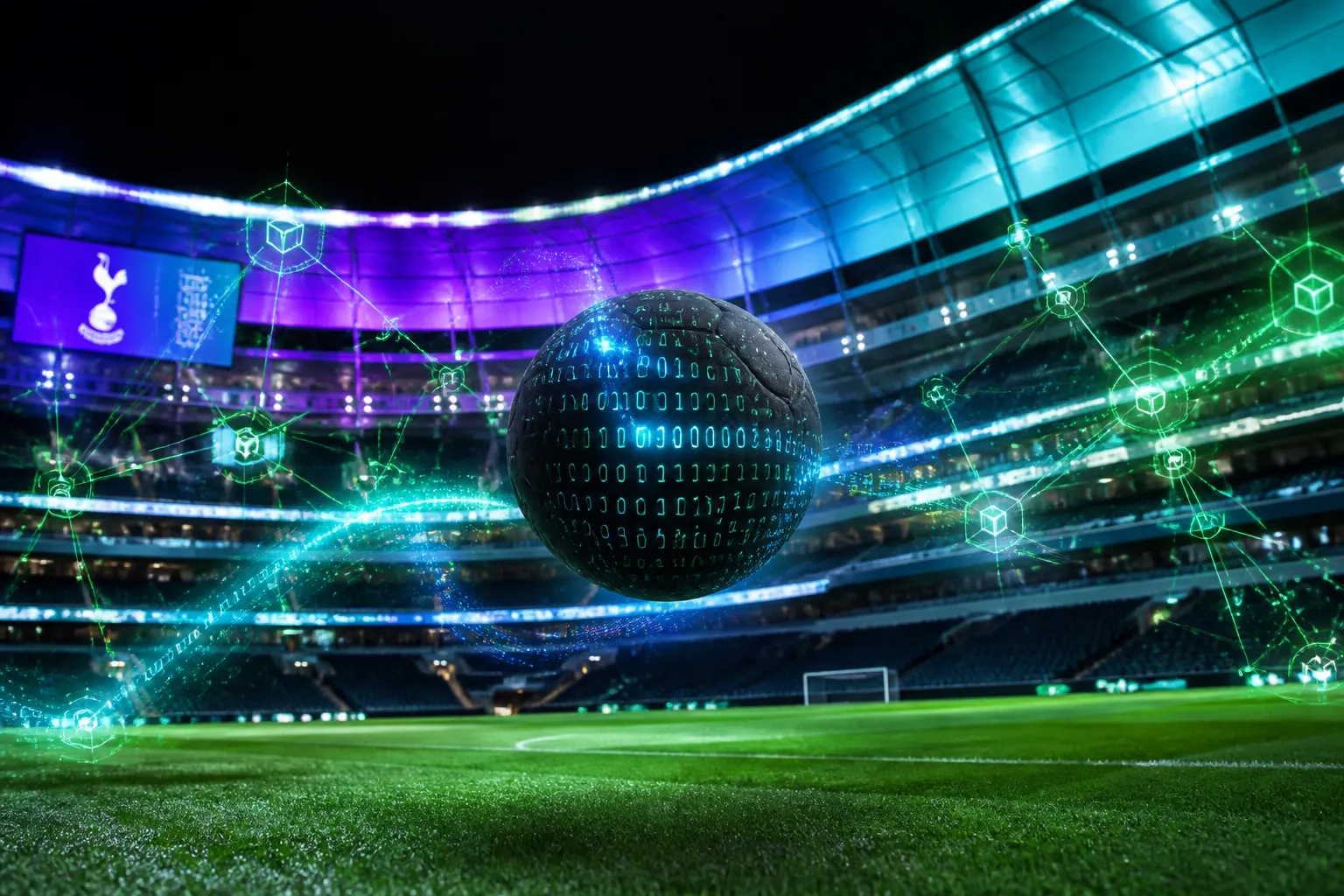
FIFA’s digital‑collectibles platform, FIFA Collect, migrated to a proprietary FIFA Blockchain in June 2025. Built on Avalanche’s technology stack and leveraging Avalanche’s subnet capabilities, the new network gives FIFA control over transaction fees, speed and user experience. According to a FIFA statement, the blockchain has processed more than $25 million in secondary‑market transactions as of mid‑July 2026 and has issued over 100,000 Right‑to‑Buy tokens for the tournament.
Kraken’s partnership is part of a broader strategy to embed crypto into mainstream sports. The exchange has previously partnered with football clubs, motorsport teams and sporting personalities, and its 2025 quarterly trading volume of $207 billion positioned it as the world’s fourteenth‑largest exchange.
The deal places Kraken ahead of other major exchanges that have sought sports sponsorships. Coinbase has secured agreements with the NBA and NFL, while Binance has announced partnerships with various football clubs. According to reports, Kraken’s FIFA partnership is the most high‑profile crypto sponsorship in global sports history.
Alongside the official partnership, several unofficial tokens have appeared around the World Cup, including the Solana‑based memecoin W26 and the token FWC26. None of these tokens have any official connection to FIFA, Kraken or the tournament. Market analysts note that the tokens carry extreme downside potential and lack fundamental backing. FIFA Collect’s success depends on execution and sustained user interest, and investors are advised to treat the tournament as a visibility catalyst rather than a trading signal.
The use of Avalanche for ticketing, loyalty and digital‑collectible services aligns with the platform’s growing adoption. Avalanche’s native cryptocurrency, AVAX, has seen increased activity as the federation’s custom blockchain gains traction. Meanwhile, Solana’s high‑throughput architecture remains popular for NFT projects, but the network’s recent stability issues have tempered enthusiasm.
FIFA’s 2022 revenue exceeded $5.8 billion, and the 2026 tournament is expected to generate significant sponsorship and licensing income. The partnership with Kraken is designed to enhance fan engagement across North America and Europe, the tournament’s two largest viewer markets.
In summary, Kraken’s designation as FIFA’s Official Crypto Exchange Supporter marks a milestone for crypto’s integration into major sporting events. The partnership, coupled with FIFA’s Avalanche‑based blockchain, provides a framework for fan interaction, digital collectibles and ticketing. Unofficial tokens circulating around the event lack official backing and carry high risk. The outcome of the partnership will be measured by fan participation, secondary‑market activity on the FIFA Blockchain and the broader adoption of crypto‑enabled services in sports.
The partnership came just two days before the tournament’s opening match on June 11, 2026, and was highlighted during the final between Spain and Argentina at MetLife Stadium on July 19. While security lines and law‑enforcement presence dominated the stadium, a visible crypto presence—through ticketing, loyalty programs and digital collectibles—competed for attention.
FIFA’s digital‑collectibles platform, FIFA Collect, migrated to a proprietary FIFA Blockchain in June 2025. Built on Avalanche’s technology stack and leveraging Avalanche’s subnet capabilities, the new network gives FIFA control over transaction fees, speed and user experience. According to a FIFA statement, the blockchain has processed more than $25 million in secondary‑market transactions as of mid‑July 2026 and has issued over 100,000 Right‑to‑Buy tokens for the tournament.
Kraken’s partnership is part of a broader strategy to embed crypto into mainstream sports. The exchange has previously partnered with football clubs, motorsport teams and sporting personalities, and its 2025 quarterly trading volume of $207 billion positioned it as the world’s fourteenth‑largest exchange.
The deal places Kraken ahead of other major exchanges that have sought sports sponsorships. Coinbase has secured agreements with the NBA and NFL, while Binance has announced partnerships with various football clubs. According to reports, Kraken’s FIFA partnership is the most high‑profile crypto sponsorship in global sports history.
Alongside the official partnership, several unofficial tokens have appeared around the World Cup, including the Solana‑based memecoin W26 and the token FWC26. None of these tokens have any official connection to FIFA, Kraken or the tournament. Market analysts note that the tokens carry extreme downside potential and lack fundamental backing. FIFA Collect’s success depends on execution and sustained user interest, and investors are advised to treat the tournament as a visibility catalyst rather than a trading signal.
The use of Avalanche for ticketing, loyalty and digital‑collectible services aligns with the platform’s growing adoption. Avalanche’s native cryptocurrency, AVAX, has seen increased activity as the federation’s custom blockchain gains traction. Meanwhile, Solana’s high‑throughput architecture remains popular for NFT projects, but the network’s recent stability issues have tempered enthusiasm.
FIFA’s 2022 revenue exceeded $5.8 billion, and the 2026 tournament is expected to generate significant sponsorship and licensing income. The partnership with Kraken is designed to enhance fan engagement across North America and Europe, the tournament’s two largest viewer markets.
In summary, Kraken’s designation as FIFA’s Official Crypto Exchange Supporter marks a milestone for crypto’s integration into major sporting events. The partnership, coupled with FIFA’s Avalanche‑based blockchain, provides a framework for fan interaction, digital collectibles and ticketing. Unofficial tokens circulating around the event lack official backing and carry high risk. The outcome of the partnership will be measured by fan participation, secondary‑market activity on the FIFA Blockchain and the broader adoption of crypto‑enabled services in sports.