Blab Crypto
Three Bitcoin Holders Sue Apple Over $1.8 Million Losses from Fake Sparrow Wallet App
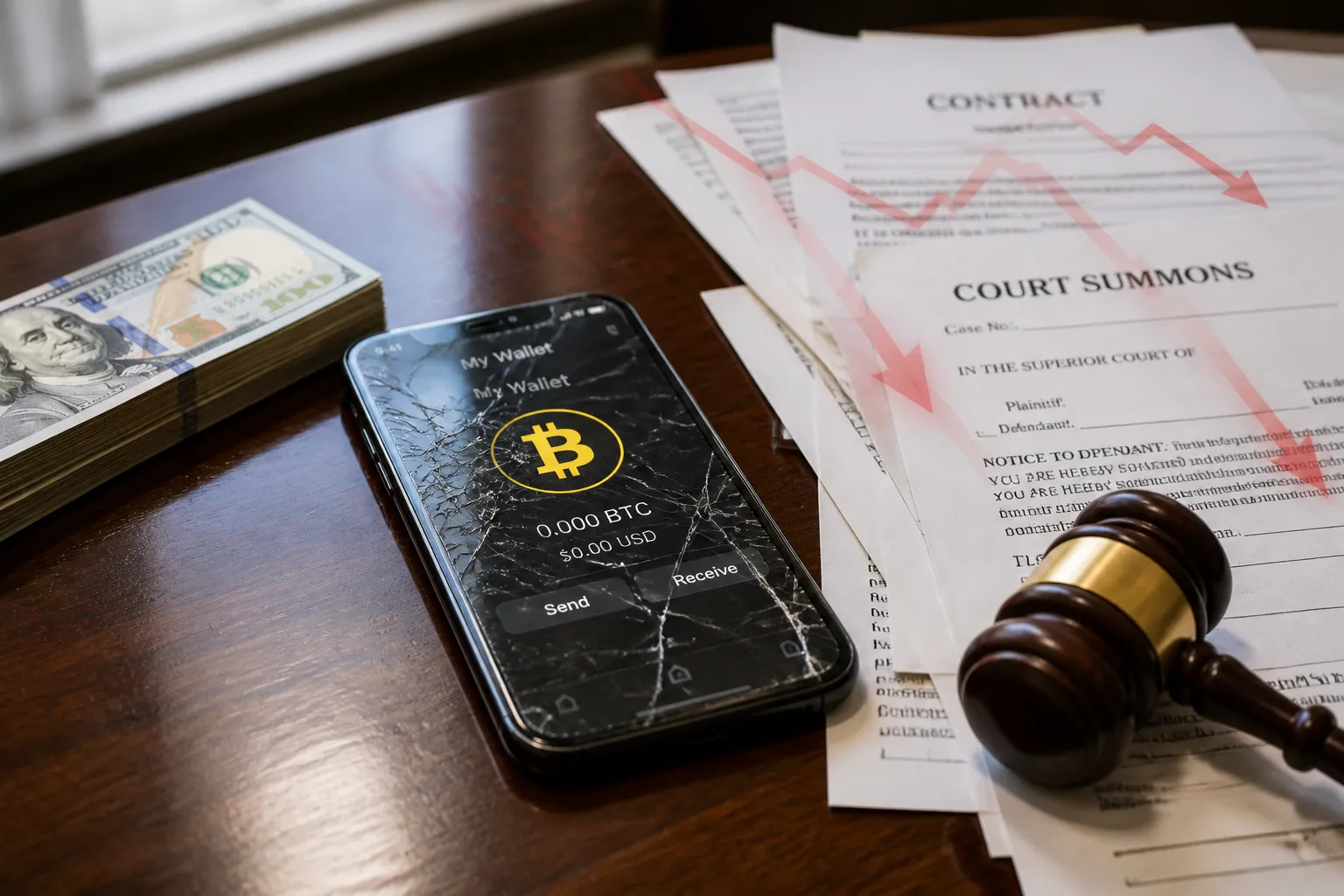
A new lawsuit alleges that a counterfeit app stole $1.8 million in Bitcoin from three unsuspecting users. On July 24 2026, James Ramirez, Christopher Ellis, and Jalen Delgado filed a federal complaint in the U.S. District Court for the Northern District of California, claiming that a fake Sparrow Wallet listing in Apple’s App Store harvested seed phrases and redirected the funds to an external wallet.
Sparrow Wallet is a desktop‑only application available for Windows, macOS, and Linux, and the developers have never released an iOS version. Because of this, any App Store entry under the Sparrow name is an impersonation. Ramirez reported the app and his loss to Apple on the day the theft occurred, but Apple did not act before Ellis downloaded a Sparrow app nine days later and lost his funds. The complaint lists eight legal claims—including fraud, negligent misrepresentation, and strict products liability—one of which asks the court to treat the App Store itself as a product placed into commerce, arguing that Apple’s disclaimer language is buried in click‑through terms and that the company failed to warn users.
The plaintiffs also allege that Apple ranked the counterfeit app and included it in curated cryptocurrency collections, effectively recommending it alongside legitimate wallets. According to the complaint, Sparrow Wallet’s lead developer, Craig Raw, has warned about copy‑cat apps since January 2024. Raw submitted an App Store listing that simply stated that Sparrow is desktop‑only, but Apple rejected it as “placeholder content” and flagged his developer account for termination over alleged dishonest activity. The termination was reversed on appeal.
Apple has declined to comment directly on the lawsuit but has said in a TechCrunch interview that apps impersonating other developers violate its guidelines and that the company removes them quickly. Apple also cited its 2025 fraud‑prevention statistics: more than 371,000 App Store submissions were rejected for copying, spam, or misleading users, and the company claims it prevented more than $9 billion in fraudulent transactions that year. In another statement, Apple said it had removed the fraudulent Sparrow apps and terminated the associated developer accounts, and it cited 193,000 developer accounts shut down and $2.2 billion in potentially fraudulent transactions in 2025.
The plaintiffs seek a jury trial, compensation for the $1.8 million they lost, and a court order requiring Apple to provide clearer warnings and disclosures about App Store risks. They argue that the remedy should change how Apple communicates risk to users rather than merely compensating for this incident.
The case is part of a broader debate over Apple’s control of the App Store. Apple maintains that its curation process makes the platform safer than competitors, a position it has used to defend against sideloading and third‑party app stores. Critics argue that the same control can allow counterfeit apps to slip through.
For users, the core lesson remains unchanged: no legitimate wallet will ever require a seed phrase to be entered into an app. Verifying a wallet’s official download source directly through the developer’s website is the most reliable protection against impersonation.
At present, the lawsuit is pending. No court decision has been issued, and Apple has not confirmed whether the fake Sparrow listings have been removed since the filing. The outcome may influence future App Store policies and the broader regulatory environment for digital asset security.
The case highlights the ongoing risk that counterfeit cryptocurrency apps pose to users and the challenges of enforcing security standards in a large, closed ecosystem like Apple’s. It also underscores the need for clear consumer protections and transparent disclosure of risks associated with downloading third‑party applications.
Sparrow Wallet is a desktop‑only application available for Windows, macOS, and Linux, and the developers have never released an iOS version. Because of this, any App Store entry under the Sparrow name is an impersonation. Ramirez reported the app and his loss to Apple on the day the theft occurred, but Apple did not act before Ellis downloaded a Sparrow app nine days later and lost his funds. The complaint lists eight legal claims—including fraud, negligent misrepresentation, and strict products liability—one of which asks the court to treat the App Store itself as a product placed into commerce, arguing that Apple’s disclaimer language is buried in click‑through terms and that the company failed to warn users.
The plaintiffs also allege that Apple ranked the counterfeit app and included it in curated cryptocurrency collections, effectively recommending it alongside legitimate wallets. According to the complaint, Sparrow Wallet’s lead developer, Craig Raw, has warned about copy‑cat apps since January 2024. Raw submitted an App Store listing that simply stated that Sparrow is desktop‑only, but Apple rejected it as “placeholder content” and flagged his developer account for termination over alleged dishonest activity. The termination was reversed on appeal.
Apple has declined to comment directly on the lawsuit but has said in a TechCrunch interview that apps impersonating other developers violate its guidelines and that the company removes them quickly. Apple also cited its 2025 fraud‑prevention statistics: more than 371,000 App Store submissions were rejected for copying, spam, or misleading users, and the company claims it prevented more than $9 billion in fraudulent transactions that year. In another statement, Apple said it had removed the fraudulent Sparrow apps and terminated the associated developer accounts, and it cited 193,000 developer accounts shut down and $2.2 billion in potentially fraudulent transactions in 2025.
The plaintiffs seek a jury trial, compensation for the $1.8 million they lost, and a court order requiring Apple to provide clearer warnings and disclosures about App Store risks. They argue that the remedy should change how Apple communicates risk to users rather than merely compensating for this incident.
The case is part of a broader debate over Apple’s control of the App Store. Apple maintains that its curation process makes the platform safer than competitors, a position it has used to defend against sideloading and third‑party app stores. Critics argue that the same control can allow counterfeit apps to slip through.
For users, the core lesson remains unchanged: no legitimate wallet will ever require a seed phrase to be entered into an app. Verifying a wallet’s official download source directly through the developer’s website is the most reliable protection against impersonation.
At present, the lawsuit is pending. No court decision has been issued, and Apple has not confirmed whether the fake Sparrow listings have been removed since the filing. The outcome may influence future App Store policies and the broader regulatory environment for digital asset security.
The case highlights the ongoing risk that counterfeit cryptocurrency apps pose to users and the challenges of enforcing security standards in a large, closed ecosystem like Apple’s. It also underscores the need for clear consumer protections and transparent disclosure of risks associated with downloading third‑party applications.







