Blab Crypto
SecondFi Wallet Hack Highlights Need for Clear Crypto Regulation
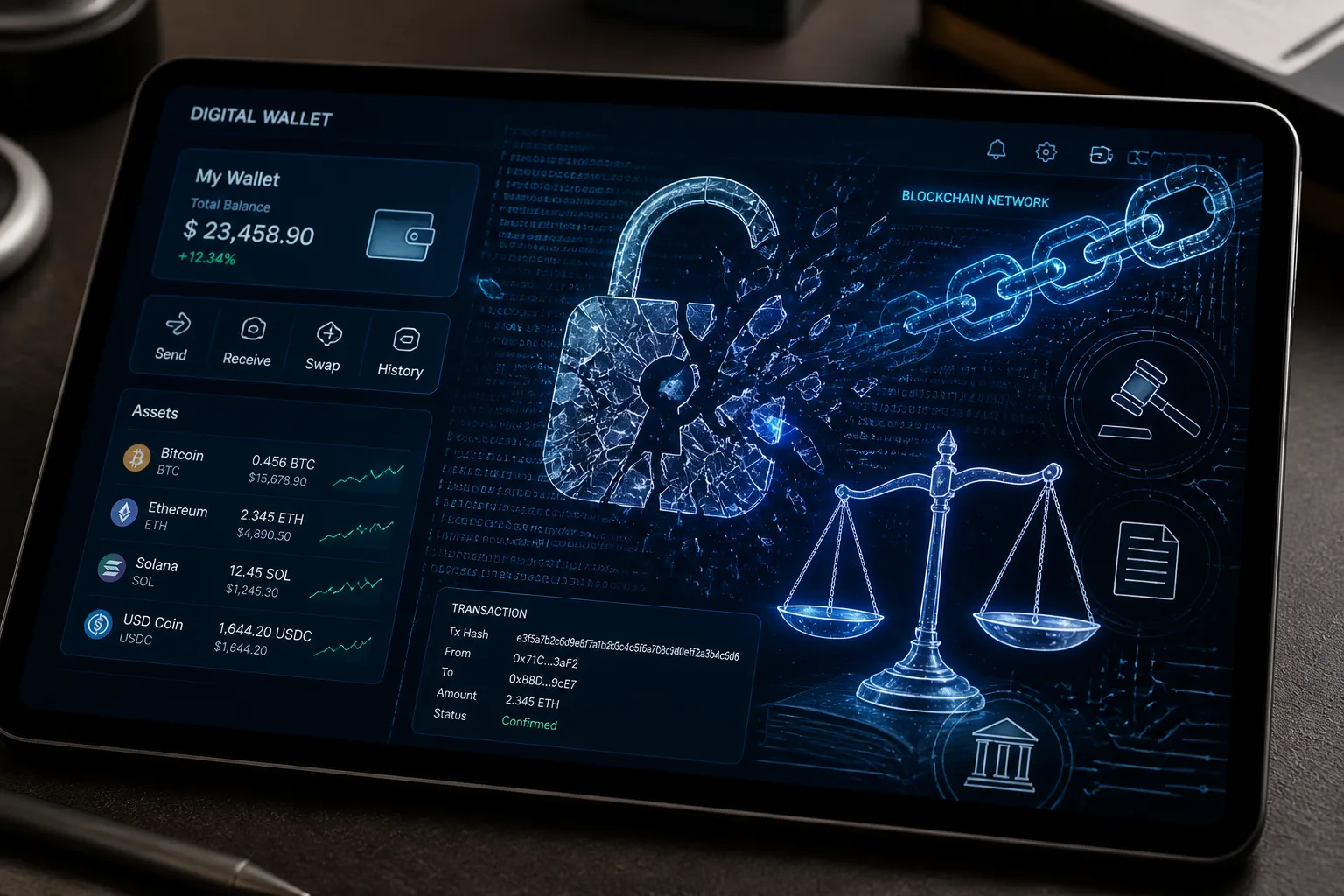
On June 23 2026, Singapore‑based SecondFi, the developer of the Yoroi wallet for the Cardano blockchain, confirmed that attackers drained approximately 16 million ADA—about $2.4 million—from 374 user wallets. The breach was traced to a flaw in the platform’s proprietary web‑wallet generation software. The company patched the vulnerability, secured an additional 129 million ADA before it could be stolen, and began developing recovery tools for affected users. Despite these measures, SecondFi announced that the damage was too severe to continue operating.
The incident underscores the fragility of confidence in the crypto ecosystem. While the Cardano community has seen larger hacks in the past, the shutdown of a major wallet provider at a time when lawmakers are debating the role of digital assets in the financial system is unlikely to be ignored.
SecondFi’s hack involved three separate external attacks that exploited a subtle flaw in the code responsible for generating web‑wallet keys. According to reports, the flaw allowed attackers to derive private keys from compromised user sessions. The company’s disclosure on June 23 2026 confirmed that the stolen funds were withdrawn to addresses controlled by the attackers. The incident prompted a swift response from security researchers who identified the vulnerability and advised users to move remaining funds to new, unrelated wallet addresses.
Yoroi, formerly known as the Cardano self‑custody wallet, has been a popular choice for Cardano holders since its launch in 2017. The wallet is built by EMURGO, a company that co‑founded the Cardano platform. Cardano’s proof‑of‑stake blockchain has grown to support a vibrant ecosystem of dApps, staking pools, and institutional participants. The loss of 16 million ADA—roughly 0.4 % of Cardano’s total circulating supply—was a significant event for the network’s community.
At the same time, the United States is moving toward a clearer regulatory framework for digital assets. The Senate’s Digital Asset Market CLARITY Act, which was introduced in 2025 and is now in a markup session, defines stablecoins as programmable settlement infrastructure rather than bank deposits. Under the proposed legislation, crypto platforms cannot pay customers interest simply for holding payment‑stablecoins. The act also delineates jurisdiction between the Securities and Exchange Commission (SEC) and the Commodity Futures Trading Commission (CFTC), assigning the latter oversight of stablecoins that are treated as digital commodities.
The CLARITY Act’s language reflects a broader effort to distinguish between stablecoins that function as payment instruments and those that resemble tokenized bank deposits. The bill’s sponsors argue that stablecoins should be regulated in a way that preserves their role as a fast, low‑cost settlement layer while preventing the misuse of the term “bank deposit” for assets that lack the regulatory safeguards of traditional banking.
Europe, by contrast, has already implemented a regulatory regime for digital assets under the Digital Services Act and related directives. The European Union’s framework requires crypto‑asset service providers to register with national authorities, comply with anti‑money‑laundering rules, and maintain adequate security measures. The EU’s approach has been described as a “one‑stop shop” for compliance, but it also imposes strict reporting obligations that can be costly for smaller firms.
The SecondFi incident and the CLARITY Act both highlight the need for robust security practices and clear regulatory guidance. For wallet providers, the breach demonstrates the importance of rigorous code review, penetration testing, and rapid incident response. For regulators, the incident illustrates why a clear definition of stablecoins’ role in the financial system is essential to protect consumers and maintain market integrity.
In the coming months, the U.S. Senate is expected to hold a markup session on the CLARITY Act, and the bill’s final provisions will likely influence how stablecoin issuers and custodians structure their operations. Meanwhile, the Cardano community and other stakeholders are monitoring the fallout from SecondFi’s shutdown to assess whether additional safeguards—such as multi‑factor authentication, hardware‑wallet integration, and formal audit requirements—will be adopted industry‑wide.
The current situation remains fluid. SecondFi’s shutdown has left a gap in the Cardano wallet market, and the broader crypto industry is watching how the CLARITY Act will shape the regulatory landscape for stablecoins. The outcome of the Senate’s markup session and the eventual passage of the bill will determine whether the U.S. can establish a stable, secure, and well‑regulated environment for digital assets that balances innovation with consumer protection.
The incident underscores the fragility of confidence in the crypto ecosystem. While the Cardano community has seen larger hacks in the past, the shutdown of a major wallet provider at a time when lawmakers are debating the role of digital assets in the financial system is unlikely to be ignored.
SecondFi’s hack involved three separate external attacks that exploited a subtle flaw in the code responsible for generating web‑wallet keys. According to reports, the flaw allowed attackers to derive private keys from compromised user sessions. The company’s disclosure on June 23 2026 confirmed that the stolen funds were withdrawn to addresses controlled by the attackers. The incident prompted a swift response from security researchers who identified the vulnerability and advised users to move remaining funds to new, unrelated wallet addresses.
Yoroi, formerly known as the Cardano self‑custody wallet, has been a popular choice for Cardano holders since its launch in 2017. The wallet is built by EMURGO, a company that co‑founded the Cardano platform. Cardano’s proof‑of‑stake blockchain has grown to support a vibrant ecosystem of dApps, staking pools, and institutional participants. The loss of 16 million ADA—roughly 0.4 % of Cardano’s total circulating supply—was a significant event for the network’s community.
At the same time, the United States is moving toward a clearer regulatory framework for digital assets. The Senate’s Digital Asset Market CLARITY Act, which was introduced in 2025 and is now in a markup session, defines stablecoins as programmable settlement infrastructure rather than bank deposits. Under the proposed legislation, crypto platforms cannot pay customers interest simply for holding payment‑stablecoins. The act also delineates jurisdiction between the Securities and Exchange Commission (SEC) and the Commodity Futures Trading Commission (CFTC), assigning the latter oversight of stablecoins that are treated as digital commodities.
The CLARITY Act’s language reflects a broader effort to distinguish between stablecoins that function as payment instruments and those that resemble tokenized bank deposits. The bill’s sponsors argue that stablecoins should be regulated in a way that preserves their role as a fast, low‑cost settlement layer while preventing the misuse of the term “bank deposit” for assets that lack the regulatory safeguards of traditional banking.
Europe, by contrast, has already implemented a regulatory regime for digital assets under the Digital Services Act and related directives. The European Union’s framework requires crypto‑asset service providers to register with national authorities, comply with anti‑money‑laundering rules, and maintain adequate security measures. The EU’s approach has been described as a “one‑stop shop” for compliance, but it also imposes strict reporting obligations that can be costly for smaller firms.
The SecondFi incident and the CLARITY Act both highlight the need for robust security practices and clear regulatory guidance. For wallet providers, the breach demonstrates the importance of rigorous code review, penetration testing, and rapid incident response. For regulators, the incident illustrates why a clear definition of stablecoins’ role in the financial system is essential to protect consumers and maintain market integrity.
In the coming months, the U.S. Senate is expected to hold a markup session on the CLARITY Act, and the bill’s final provisions will likely influence how stablecoin issuers and custodians structure their operations. Meanwhile, the Cardano community and other stakeholders are monitoring the fallout from SecondFi’s shutdown to assess whether additional safeguards—such as multi‑factor authentication, hardware‑wallet integration, and formal audit requirements—will be adopted industry‑wide.
The current situation remains fluid. SecondFi’s shutdown has left a gap in the Cardano wallet market, and the broader crypto industry is watching how the CLARITY Act will shape the regulatory landscape for stablecoins. The outcome of the Senate’s markup session and the eventual passage of the bill will determine whether the U.S. can establish a stable, secure, and well‑regulated environment for digital assets that balances innovation with consumer protection.







