Blab Crypto
Massachusetts Lawmakers Consider Ban on Crypto ATMs Amid Rising Scam Losses
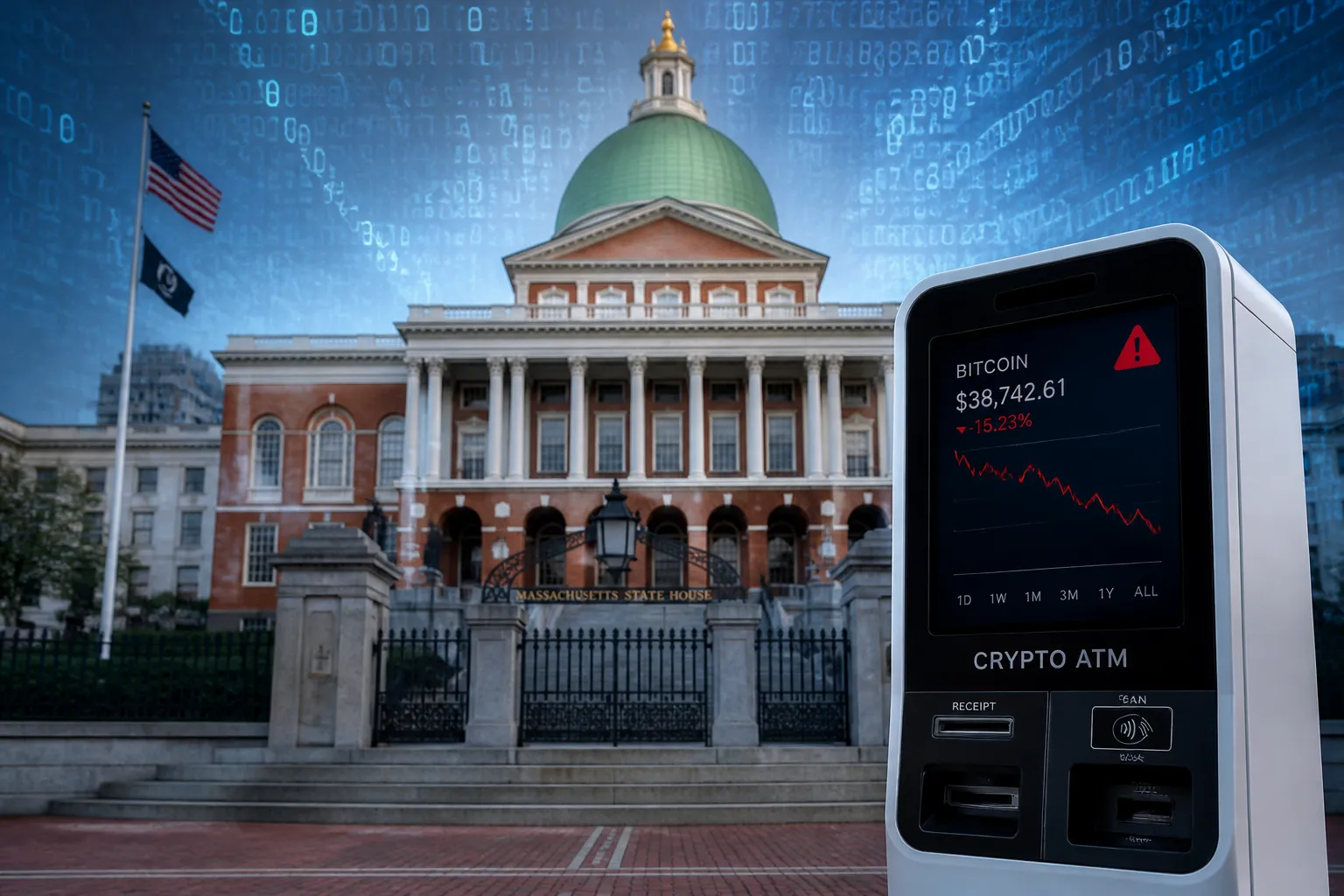
Massachusetts lawmakers are weighing a statewide ban on cryptocurrency ATMs, a move that has been thrust into the spotlight by the staggering $77 million in kiosk‑based scam losses reported in 2024—an amount that investigators believe only scratches the surface.
The Senate’s version of the bill, passed last week, now carries an amendment that would outlaw crypto ATMs across the Commonwealth. The House is slated to review the change in a conference committee that could extend beyond the standard July 31 deadline.
Kiosks have become a favored instrument for fraudsters, who lure victims into depositing cash only to redirect the resulting cryptocurrency to wallets under their control. In Danvers, a woman was convinced to send more than $11,000 to a scammer after a fake PayPal representative claimed her account had been hacked. Police later seized the scammer’s wallet after obtaining a search warrant.
‘We had a person from Salem who told us as she was feeding $100 bills into a Bitcoin machine in Salem, she kept saying to herself, “This doesn’t seem right,” but the scammers were so persuasive she continued putting it in, over $13,000,’” said Essex County District Attorney Paul Tucker. “That’s just one case of hundreds that we’ve seen.”
Recovering the stolen funds proves challenging. Assistant District Attorney Matthew Patalano explained that investigators can only retrieve coins if they act swiftly enough to freeze the cryptocurrency before it is moved. Most scammers move the coins through mixing or tumbling services, which combine multiple transactions to obscure the trail. The money often ends up in private wallets or foreign‑based exchanges that may not cooperate with U.S. law enforcement.
‘We get a search warrant, serve it on a public exchange, and then the exchange must cooperate. If they do, we can get the money back to the victim, but that money is usually only what the scammer has left after fees,’” Patalano said.
Prosecutors argue that crypto ATM operators currently operate without regulatory oversight in Massachusetts. Assistant District Attorney David O’Sullivan said a statewide ban would provide the strongest protection for consumers.
‘We believe that a statewide ban is the way to essentially stop the bleeding from all these scams and to stop the pain that’s been inflicted on Commonwealth residents,’” O’Sullivan said.
The Senate’s amendment was bolstered by a letter from Suffolk County District Attorney Kevin Hayden to Senate President Karen Spilka and Senate Ways and Means Committee chair Michael Rodrigues. Hayden urged lawmakers to act, noting that the kiosks expose residents, especially older adults, to financial exploitation.
Until a decision is made, local law enforcement stresses that public awareness is the most effective tool for preventing fraud. ‘If we can reach one person to save them from being scammed, we’ve at least helped that one person,’” Tucker said.
The ban would also affect businesses that rely on ATMs for legitimate transactions. Officials say that legitimate entities—including banks, government agencies, and tech support companies—will not demand payment through cryptocurrency to resolve urgent problems.
Massachusetts is not the only state grappling with crypto ATM fraud. Several states, including Minnesota, Tennessee, and Indiana, have enacted outright bans or strict restrictions. The debate in Massachusetts reflects a broader national conversation about how to balance consumer access to digital assets with protection against abuse.
The outcome of the bill will shape the future of crypto ATMs in the Commonwealth. If the ban passes, Massachusetts would become one of the few states to prohibit the kiosks entirely, potentially prompting operators to relocate or to seek regulatory frameworks that address fraud concerns.
The next step is a conference committee that will reconcile the Senate and House versions of the bill. Lawmakers and law enforcement officials will continue to monitor scam activity and recovery efforts while the legislative process unfolds.
The Senate’s version of the bill, passed last week, now carries an amendment that would outlaw crypto ATMs across the Commonwealth. The House is slated to review the change in a conference committee that could extend beyond the standard July 31 deadline.
Kiosks have become a favored instrument for fraudsters, who lure victims into depositing cash only to redirect the resulting cryptocurrency to wallets under their control. In Danvers, a woman was convinced to send more than $11,000 to a scammer after a fake PayPal representative claimed her account had been hacked. Police later seized the scammer’s wallet after obtaining a search warrant.
‘We had a person from Salem who told us as she was feeding $100 bills into a Bitcoin machine in Salem, she kept saying to herself, “This doesn’t seem right,” but the scammers were so persuasive she continued putting it in, over $13,000,’” said Essex County District Attorney Paul Tucker. “That’s just one case of hundreds that we’ve seen.”
Recovering the stolen funds proves challenging. Assistant District Attorney Matthew Patalano explained that investigators can only retrieve coins if they act swiftly enough to freeze the cryptocurrency before it is moved. Most scammers move the coins through mixing or tumbling services, which combine multiple transactions to obscure the trail. The money often ends up in private wallets or foreign‑based exchanges that may not cooperate with U.S. law enforcement.
‘We get a search warrant, serve it on a public exchange, and then the exchange must cooperate. If they do, we can get the money back to the victim, but that money is usually only what the scammer has left after fees,’” Patalano said.
Prosecutors argue that crypto ATM operators currently operate without regulatory oversight in Massachusetts. Assistant District Attorney David O’Sullivan said a statewide ban would provide the strongest protection for consumers.
‘We believe that a statewide ban is the way to essentially stop the bleeding from all these scams and to stop the pain that’s been inflicted on Commonwealth residents,’” O’Sullivan said.
The Senate’s amendment was bolstered by a letter from Suffolk County District Attorney Kevin Hayden to Senate President Karen Spilka and Senate Ways and Means Committee chair Michael Rodrigues. Hayden urged lawmakers to act, noting that the kiosks expose residents, especially older adults, to financial exploitation.
Until a decision is made, local law enforcement stresses that public awareness is the most effective tool for preventing fraud. ‘If we can reach one person to save them from being scammed, we’ve at least helped that one person,’” Tucker said.
The ban would also affect businesses that rely on ATMs for legitimate transactions. Officials say that legitimate entities—including banks, government agencies, and tech support companies—will not demand payment through cryptocurrency to resolve urgent problems.
Massachusetts is not the only state grappling with crypto ATM fraud. Several states, including Minnesota, Tennessee, and Indiana, have enacted outright bans or strict restrictions. The debate in Massachusetts reflects a broader national conversation about how to balance consumer access to digital assets with protection against abuse.
The outcome of the bill will shape the future of crypto ATMs in the Commonwealth. If the ban passes, Massachusetts would become one of the few states to prohibit the kiosks entirely, potentially prompting operators to relocate or to seek regulatory frameworks that address fraud concerns.
The next step is a conference committee that will reconcile the Senate and House versions of the bill. Lawmakers and law enforcement officials will continue to monitor scam activity and recovery efforts while the legislative process unfolds.