Blab Crypto
Mobile-First Crypto Casinos Drive Global Gambling Shift in 2026
If you pull up your phone to chase a jackpot, you’re already part of a global shift that is reshaping online gambling. In 2026, mobile‑first cryptocurrency casinos have eclipsed desktop‑centric, fiat‑based platforms in many markets, thanks to three core advantages: lightning‑fast transactions, heightened privacy, and a seamless mobile experience.
Speed is the headline driver. Traditional online casino withdrawals can take from 24 hours to several business days, depending on the payment processor and jurisdiction. Crypto withdrawals, by contrast, clear in minutes, letting players collect winnings almost immediately. That immediacy is a decisive factor for users who want to cash out without delay.
Privacy is the second pillar. In regions where gambling activity shows up on bank statements, players often opt for the anonymity that cryptocurrencies provide. Crypto transactions are recorded on public blockchains but do not appear on a bank statement, giving users a level of discretion that fiat payments lack.
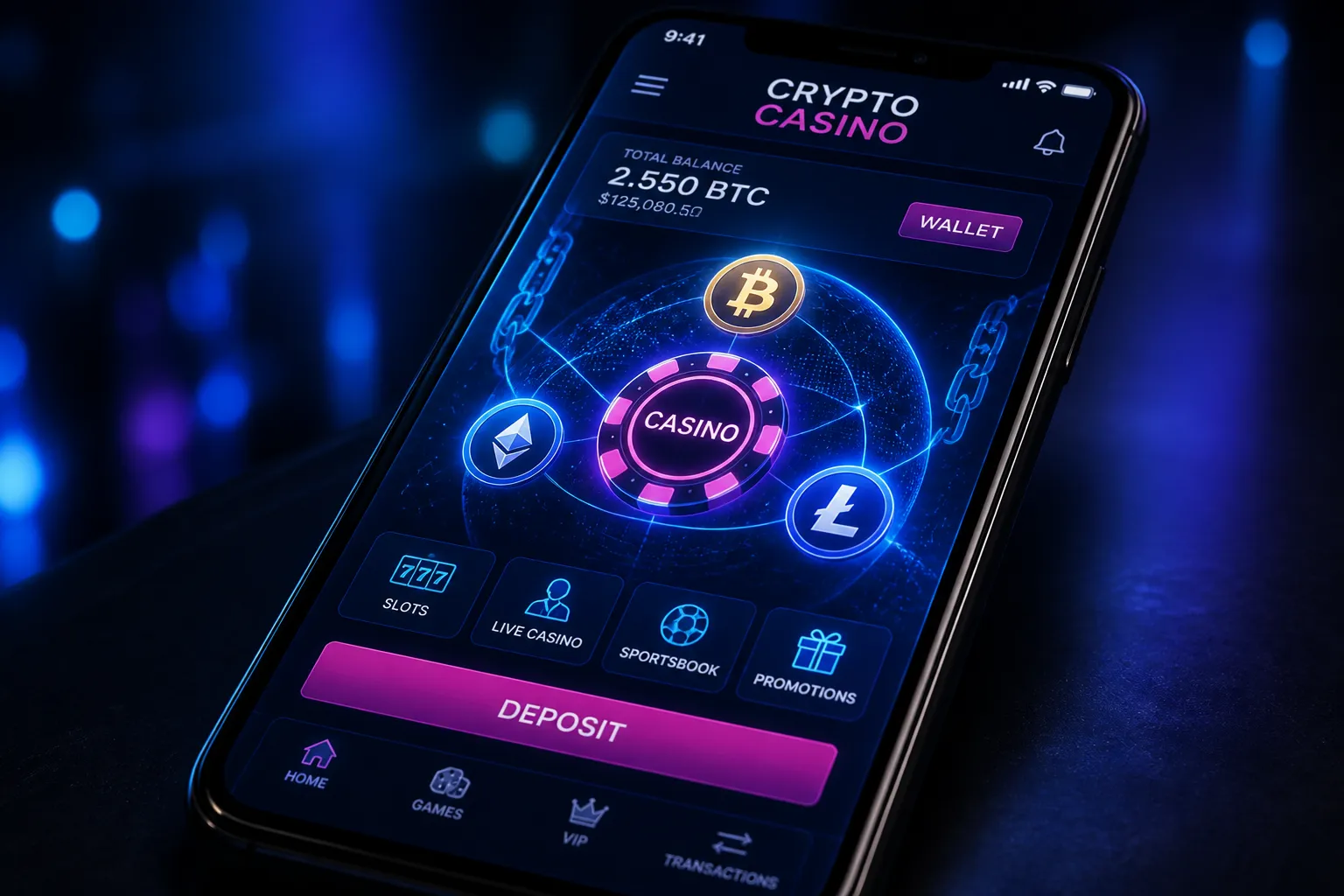
The mobile experience has evolved dramatically. Early crypto casinos were often desktop sites adapted for phones, but newer platforms are built natively for smartphones. The result is faster load times, smoother gameplay, and interfaces that work well on small screens. Slot‑style games—already the mainstay of online casino traffic—are especially suited to mobile, and operators now prioritize fast‑loading, mobile‑optimized slot libraries over heavier live‑dealer tables that are more common on desktop.
Regulation is a key enabler. In markets with clear digital‑asset frameworks, operators feel more confident launching crypto‑enabled services. New Zealand is a notable example. The country’s $2.7 billion gambling market has seen a steady rise in crypto casino usage, with Kiwi players showing a strong appetite for instant crypto deposits and mobile‑friendly interfaces. A May 2026 study highlighted how New Zealand’s regulatory environment, combined with a high level of digital connectivity, has accelerated the shift.
The “pokies” culture has adapted to the mobile‑crypto trend. Bitcoin pokies allow players to fund accounts with cryptocurrency instead of traditional banking methods, offering the same gameplay as standard online pokies but with faster processing and added privacy. Guides and rankings of the best bitcoin pokies in New Zealand have expanded alongside player demand.
Volatility remains a friction point. A deposit made in Bitcoin can fluctuate significantly in value by the time a player withdraws. Some platforms have introduced stablecoin options—such as USDT or USDC—to provide the speed and privacy of crypto while mitigating price swings.
Wallet management still poses a barrier for less tech‑savvy users. While most platforms have simplified onboarding compared to a year or two ago, the need to create and secure a cryptocurrency wallet can deter potential players.
Looking ahead, the trajectory of mobile crypto gambling hinges on the maturation of the broader payments infrastructure. Faster on‑ramps, clearer exchange‑rate transparency, and continued investment in mobile UX are expected to close the gap between crypto and traditional online gambling platforms. In some regions, crypto casinos may already surpass fiat‑based services in everyday usability.
Industry analysts note that the shift is not a passing trend. Mobile crypto gambling has moved from a niche market to a mainstream expectation for players worldwide. The convergence of speed, privacy, and mobile optimization is reshaping the global digital‑asset ecosystem.
As of 2026, the industry continues to evolve. Operators are refining their mobile offerings, regulators are updating frameworks, and players are increasingly comfortable with crypto‑powered gambling. The next few years will likely see further consolidation of mobile crypto casinos and deeper integration of stablecoins and wallet‑management tools.
In summary, mobile‑first crypto casinos have become the dominant form of online gambling in 2026. Their success is rooted in faster transactions, privacy, and superior mobile experiences. While volatility and wallet complexity remain challenges, the continued development of payments infrastructure and regulatory clarity suggests that crypto gambling will keep expanding, potentially overtaking traditional platforms in many markets.
Speed is the headline driver. Traditional online casino withdrawals can take from 24 hours to several business days, depending on the payment processor and jurisdiction. Crypto withdrawals, by contrast, clear in minutes, letting players collect winnings almost immediately. That immediacy is a decisive factor for users who want to cash out without delay.
Privacy is the second pillar. In regions where gambling activity shows up on bank statements, players often opt for the anonymity that cryptocurrencies provide. Crypto transactions are recorded on public blockchains but do not appear on a bank statement, giving users a level of discretion that fiat payments lack.
The mobile experience has evolved dramatically. Early crypto casinos were often desktop sites adapted for phones, but newer platforms are built natively for smartphones. The result is faster load times, smoother gameplay, and interfaces that work well on small screens. Slot‑style games—already the mainstay of online casino traffic—are especially suited to mobile, and operators now prioritize fast‑loading, mobile‑optimized slot libraries over heavier live‑dealer tables that are more common on desktop.
Regulation is a key enabler. In markets with clear digital‑asset frameworks, operators feel more confident launching crypto‑enabled services. New Zealand is a notable example. The country’s $2.7 billion gambling market has seen a steady rise in crypto casino usage, with Kiwi players showing a strong appetite for instant crypto deposits and mobile‑friendly interfaces. A May 2026 study highlighted how New Zealand’s regulatory environment, combined with a high level of digital connectivity, has accelerated the shift.
The “pokies” culture has adapted to the mobile‑crypto trend. Bitcoin pokies allow players to fund accounts with cryptocurrency instead of traditional banking methods, offering the same gameplay as standard online pokies but with faster processing and added privacy. Guides and rankings of the best bitcoin pokies in New Zealand have expanded alongside player demand.
Volatility remains a friction point. A deposit made in Bitcoin can fluctuate significantly in value by the time a player withdraws. Some platforms have introduced stablecoin options—such as USDT or USDC—to provide the speed and privacy of crypto while mitigating price swings.
Wallet management still poses a barrier for less tech‑savvy users. While most platforms have simplified onboarding compared to a year or two ago, the need to create and secure a cryptocurrency wallet can deter potential players.
Looking ahead, the trajectory of mobile crypto gambling hinges on the maturation of the broader payments infrastructure. Faster on‑ramps, clearer exchange‑rate transparency, and continued investment in mobile UX are expected to close the gap between crypto and traditional online gambling platforms. In some regions, crypto casinos may already surpass fiat‑based services in everyday usability.
Industry analysts note that the shift is not a passing trend. Mobile crypto gambling has moved from a niche market to a mainstream expectation for players worldwide. The convergence of speed, privacy, and mobile optimization is reshaping the global digital‑asset ecosystem.
As of 2026, the industry continues to evolve. Operators are refining their mobile offerings, regulators are updating frameworks, and players are increasingly comfortable with crypto‑powered gambling. The next few years will likely see further consolidation of mobile crypto casinos and deeper integration of stablecoins and wallet‑management tools.
In summary, mobile‑first crypto casinos have become the dominant form of online gambling in 2026. Their success is rooted in faster transactions, privacy, and superior mobile experiences. While volatility and wallet complexity remain challenges, the continued development of payments infrastructure and regulatory clarity suggests that crypto gambling will keep expanding, potentially overtaking traditional platforms in many markets.