Blab Crypto
Nevin Freeman Leads Reserve Protocol Through Strategic Pause and SEC Proposal
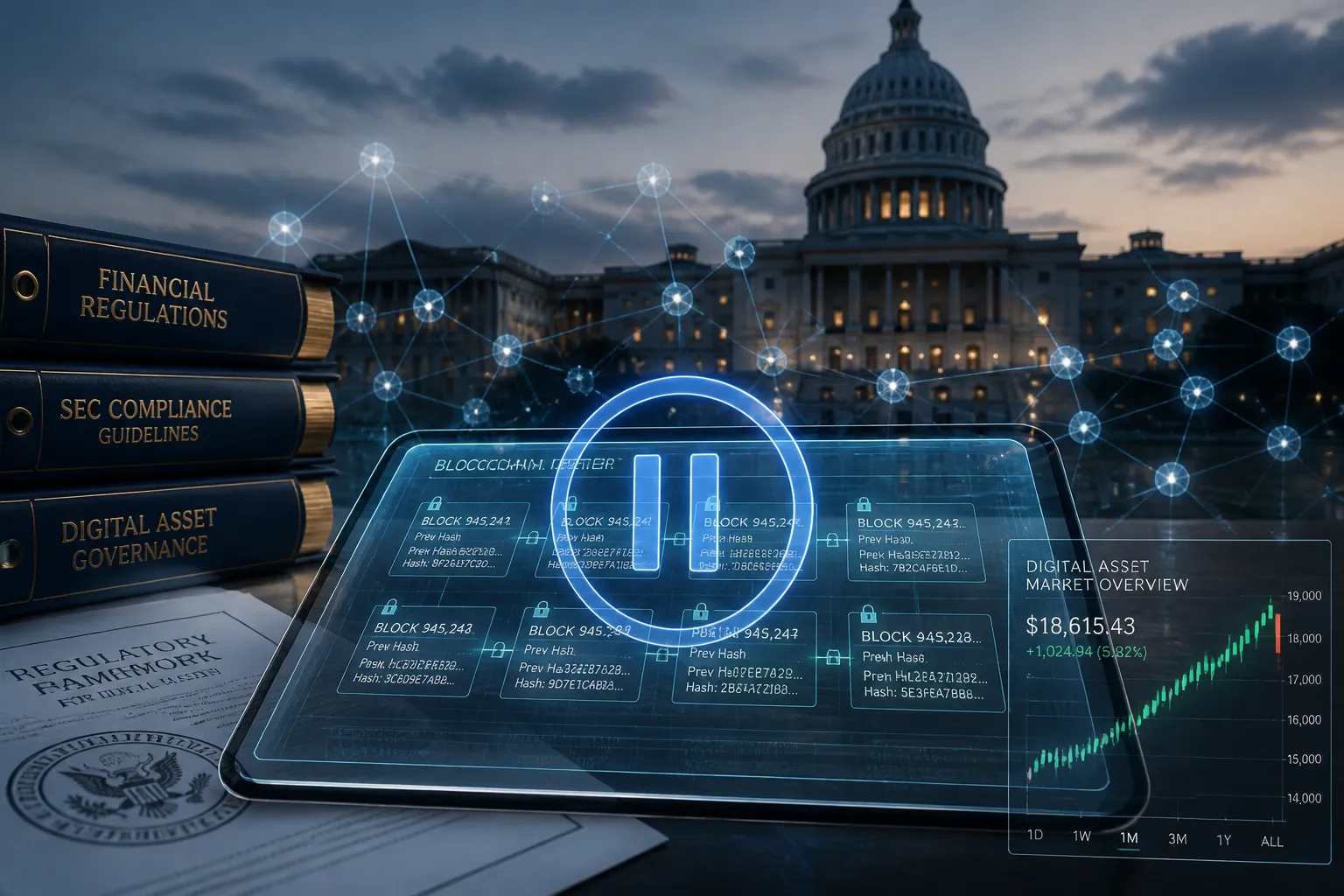
Nevin Freeman, co‑founder and CEO of Reserve Protocol, has announced a temporary halt to RSR token unlocks while the protocol joins a joint proposal to the SEC’s Crypto Task Force. The pause coincides with the rollout of new product upgrades and a push for clearer regulatory guidance for Reserve’s asset‑backed stablecoin platform.
Freeman earned a bachelor’s degree from Portland State University in 2009 and immediately entered the tech‑startup arena. He co‑founded RIABiz, a trade publication for independent financial advisors, and served as its chief technology officer until 2011. After a brief stint as chief information officer at MetaMed Research, he launched Paradigm Academy in January 2016, a Bay Area company‑builder that trained and recruited founders. In 2017 he partnered with former Google engineer Matt Elder—who became the protocol’s chief technology officer—to co‑found Reserve Protocol.
Reserve Protocol is an open, decentralized system that lets users create and trade asset‑backed baskets of tokens known as Decentralized Token Folios (DTFs). The platform began with a stablecoin pilot in Venezuela, evolved into RSV, and later introduced RTokens—stablecoins backed by baskets of collateral rather than a single asset. In January 2024, Reserve launched two additional entities, ABC Labs and Confusion Capital, to support the protocol’s growth. Freeman serves as president of Confusion Capital while remaining CEO of Reserve.
In a March 2026 post on X, Freeman reported that the protocol had completed the rollout of Index Protocol 5.0, upgraded its ETH+ yield product, and decided to wind down incentive spending as the team entered a rapid exploration phase for new DTF products. The update also confirmed the pause on RSR token unlocks, a cost‑containment measure linked to the protocol’s shift toward new product development.
The pause follows a joint proposal submitted to the SEC’s Crypto Task Force in March 2026. Filed alongside the Digital Dollar Initiative and the Tokenized Asset Coalition, the proposal outlines a Global Access Protocol framework that seeks to clarify the regulatory status of tokenized assets and stablecoins. Freeman disclosed the filing in a March 2026 X update, noting that the proposal aims to provide a decentralized alternative to traditional index products.
Freeman has repeatedly stated that regulatory friction, rather than technological limitations, remains the main barrier to broader crypto adoption. At Monetarium 2 in July 2025, he likened Reserve’s mission to a “SpaceX‑to‑Mars” effort to eliminate inflation through decentralized finance. In a December 2025 appearance on the Milk Road Show, he described the industry’s progress as a longer, more complicated build than many investors had anticipated.
Reserve’s focus on DTFs positions it as a potential on‑chain equivalent of exchange‑traded funds. By allowing anyone to create, own, and govern a DTF without a centralized custodian, the protocol could broaden access to diversified, yield‑bearing portfolios. The platform currently operates on Ethereum mainnet, Base, and Arbitrum One, and has completed nine audits as of April 2024.
Today, Reserve Protocol is advancing cautiously. The team continues its Index Protocol upgrades, monitors the SEC’s response to the joint proposal, and maintains the RSR unlock pause while developing new DTF products. The regulatory path for tokenized assets remains uncertain, and the outcome of the SEC engagement will shape Reserve’s future trajectory.
In summary, Nevin Freeman’s leadership has guided Reserve Protocol through a strategic pause on token unlocks, a joint regulatory proposal, and ongoing product rollouts. The protocol’s emphasis on asset‑backed stablecoins and DTFs reflects a broader industry push toward decentralized, inflation‑resistant financial instruments, even as the regulatory environment continues to evolve.
Freeman earned a bachelor’s degree from Portland State University in 2009 and immediately entered the tech‑startup arena. He co‑founded RIABiz, a trade publication for independent financial advisors, and served as its chief technology officer until 2011. After a brief stint as chief information officer at MetaMed Research, he launched Paradigm Academy in January 2016, a Bay Area company‑builder that trained and recruited founders. In 2017 he partnered with former Google engineer Matt Elder—who became the protocol’s chief technology officer—to co‑found Reserve Protocol.
Reserve Protocol is an open, decentralized system that lets users create and trade asset‑backed baskets of tokens known as Decentralized Token Folios (DTFs). The platform began with a stablecoin pilot in Venezuela, evolved into RSV, and later introduced RTokens—stablecoins backed by baskets of collateral rather than a single asset. In January 2024, Reserve launched two additional entities, ABC Labs and Confusion Capital, to support the protocol’s growth. Freeman serves as president of Confusion Capital while remaining CEO of Reserve.
In a March 2026 post on X, Freeman reported that the protocol had completed the rollout of Index Protocol 5.0, upgraded its ETH+ yield product, and decided to wind down incentive spending as the team entered a rapid exploration phase for new DTF products. The update also confirmed the pause on RSR token unlocks, a cost‑containment measure linked to the protocol’s shift toward new product development.
The pause follows a joint proposal submitted to the SEC’s Crypto Task Force in March 2026. Filed alongside the Digital Dollar Initiative and the Tokenized Asset Coalition, the proposal outlines a Global Access Protocol framework that seeks to clarify the regulatory status of tokenized assets and stablecoins. Freeman disclosed the filing in a March 2026 X update, noting that the proposal aims to provide a decentralized alternative to traditional index products.
Freeman has repeatedly stated that regulatory friction, rather than technological limitations, remains the main barrier to broader crypto adoption. At Monetarium 2 in July 2025, he likened Reserve’s mission to a “SpaceX‑to‑Mars” effort to eliminate inflation through decentralized finance. In a December 2025 appearance on the Milk Road Show, he described the industry’s progress as a longer, more complicated build than many investors had anticipated.
Reserve’s focus on DTFs positions it as a potential on‑chain equivalent of exchange‑traded funds. By allowing anyone to create, own, and govern a DTF without a centralized custodian, the protocol could broaden access to diversified, yield‑bearing portfolios. The platform currently operates on Ethereum mainnet, Base, and Arbitrum One, and has completed nine audits as of April 2024.
Today, Reserve Protocol is advancing cautiously. The team continues its Index Protocol upgrades, monitors the SEC’s response to the joint proposal, and maintains the RSR unlock pause while developing new DTF products. The regulatory path for tokenized assets remains uncertain, and the outcome of the SEC engagement will shape Reserve’s future trajectory.
In summary, Nevin Freeman’s leadership has guided Reserve Protocol through a strategic pause on token unlocks, a joint regulatory proposal, and ongoing product rollouts. The protocol’s emphasis on asset‑backed stablecoins and DTFs reflects a broader industry push toward decentralized, inflation‑resistant financial instruments, even as the regulatory environment continues to evolve.







