Blab Crypto
SwissChain Turns Traditional Participation Certificates into Ledger-Based Securities Under Swiss DLT Act
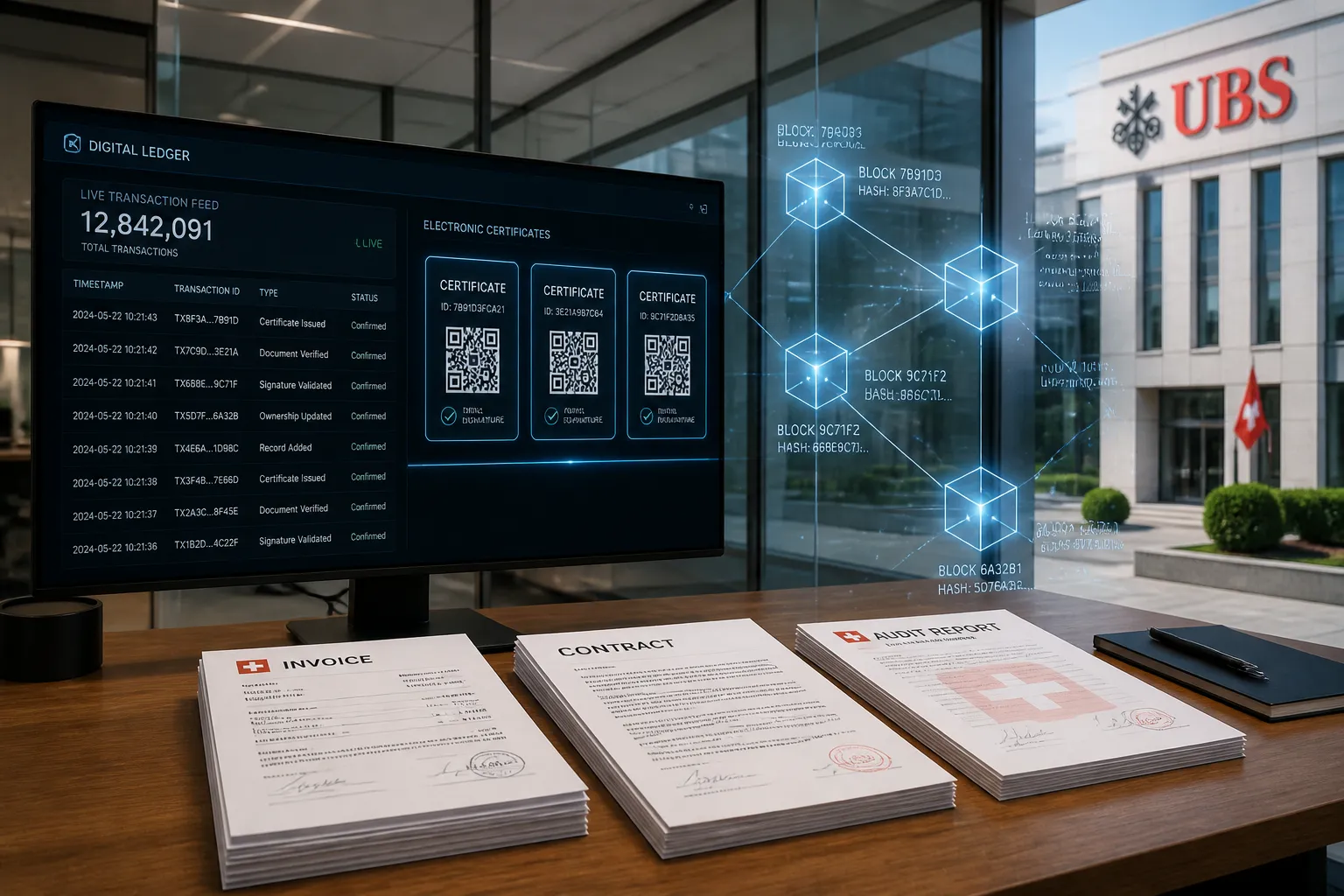
When Geneva’s SwissChain Holding SA announced on March 23, 2026 that it would issue its long‑used participation certificates (Bons de participation) as ledger‑based securities, the move was more than a technical upgrade—it was a legal milestone. The certificates remain the same legal instrument; only the register of ownership has migrated from paper to a distributed ledger.
Under the Swiss Federal Act on the Adaptation of Federal Legislation to Developments in Digital Ledger Technology (DLT Act), which entered force in August 2021, tokenised securities enjoy full enforceability under Swiss law. By converting its certificates into a blockchain‑backed format, SwissChain turns years of legislative groundwork into a functioning operating model that bridges traditional finance with digital assets. Ownership is now recorded on a public ledger, making transfers instant, fully auditable, and dramatically reducing the need for intermediaries.
SwissChain’s corporate architecture keeps the tokenised certificates within a broader framework. The holding company coordinates a network of specialised subsidiaries and regulated partners that provide tokenisation infrastructure, compliance services, institutional custody, and market‑access solutions. The result is a single, integrated framework that replaces a chain of separate vendors, advisers, and custodians.
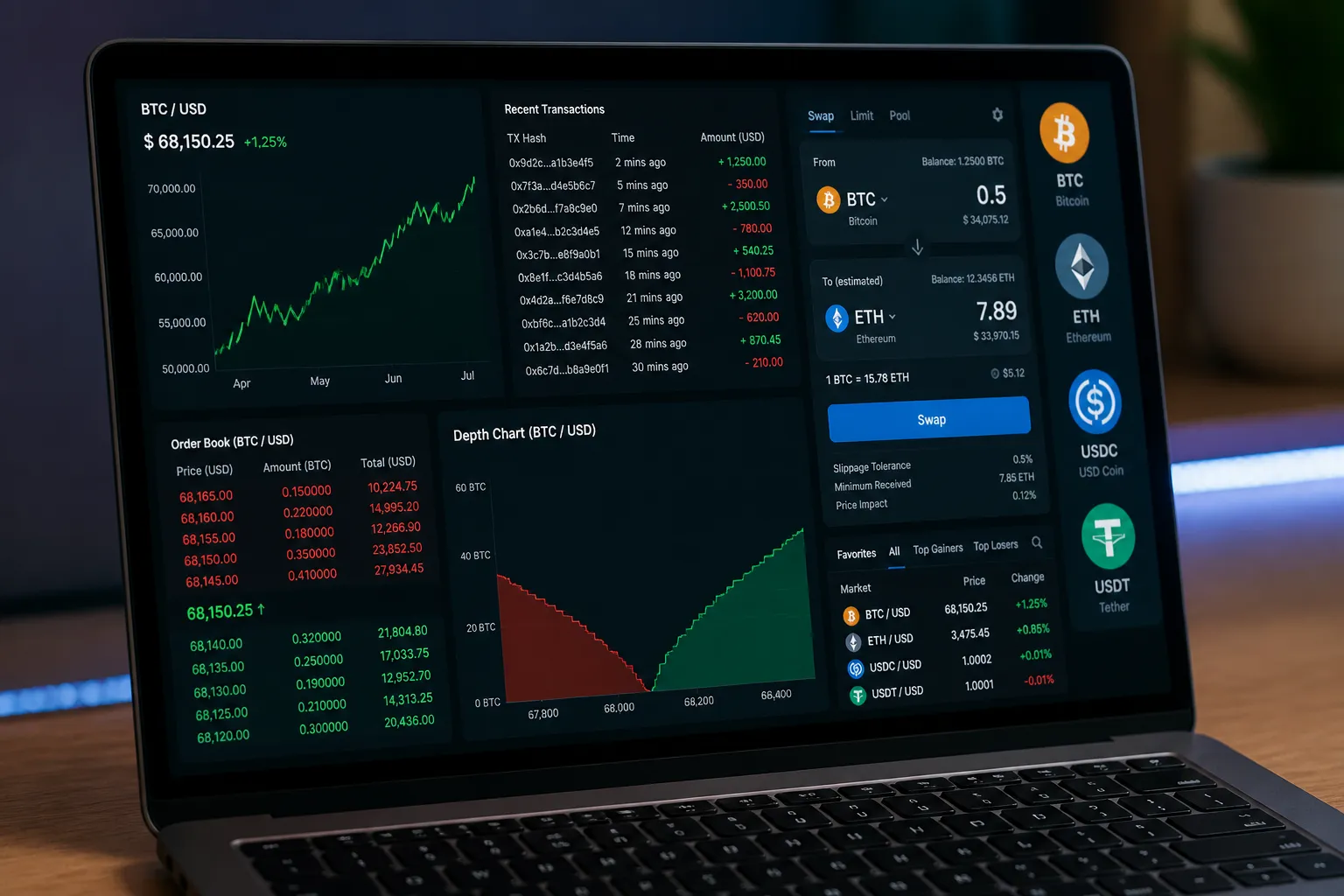
The company’s Digital Assets Treasury (DAT) holds well‑known digital assets such as Bitcoin and Ethereum alongside traditional cash reserves. According to public statements, digital assets are kept below half of net proceeds, and the treasury is not a fund or a public investment product. Instead, it represents an internal diversification policy that follows Swiss accounting and governance standards.
Access to the tokenised certificates is limited to eligible counterparties. KYC and AML checks are performed through regulated partners, and the digital assets are held with institutional custodians. Oversight is provided by Biba Homsy, a former FINMA official who specialises in digital‑asset regulation. SwissChain is a member of the Crypto Valley Association and participates in the UN Global Compact.
A group subsidiary is developing a single application that will bring the group’s services together in one place, offering clients centralised digital access to tokenised securities and related services. The roadmap points toward regulated secondary‑market access and controlled international expansion, all within a Swiss regulatory framework.
SwissChain’s model diverges from other tokenisation projects that focus on accumulating a single asset. By treating digital assets as one component of a broader corporate structure, the company aims to provide a more stable and compliant environment for institutional investors. The announcement follows a broader trend of Swiss firms leveraging the DLT Act to create legally recognised tokenised instruments.
The Act’s three‑pillar framework—covering ledger‑based securities, trading facilities, and banking law amendments—has been cited by industry analysts as the world’s first comprehensive blockchain legislation. Industry observers note that SwissChain’s approach could set a precedent for other European entities seeking to combine traditional equity instruments with blockchain technology while remaining fully compliant with national regulations. The participation certificates, now recorded on a distributed ledger, are expected to provide instant settlement, transparent governance, and institutional‑grade custody.
In the coming months, SwissChain will likely pursue further regulatory approvals for secondary‑market trading of its tokenised certificates and may expand its custodial and compliance services to other jurisdictions. The company’s focus on controlled international expansion suggests a cautious approach that prioritises regulatory certainty over rapid global rollout.
Overall, SwissChain’s tokenisation of participation certificates demonstrates how Swiss law can support the integration of blockchain technology into established financial instruments, offering a model that balances regulatory compliance, operational efficiency, and institutional investor needs.
Under the Swiss Federal Act on the Adaptation of Federal Legislation to Developments in Digital Ledger Technology (DLT Act), which entered force in August 2021, tokenised securities enjoy full enforceability under Swiss law. By converting its certificates into a blockchain‑backed format, SwissChain turns years of legislative groundwork into a functioning operating model that bridges traditional finance with digital assets. Ownership is now recorded on a public ledger, making transfers instant, fully auditable, and dramatically reducing the need for intermediaries.
SwissChain’s corporate architecture keeps the tokenised certificates within a broader framework. The holding company coordinates a network of specialised subsidiaries and regulated partners that provide tokenisation infrastructure, compliance services, institutional custody, and market‑access solutions. The result is a single, integrated framework that replaces a chain of separate vendors, advisers, and custodians.
The company’s Digital Assets Treasury (DAT) holds well‑known digital assets such as Bitcoin and Ethereum alongside traditional cash reserves. According to public statements, digital assets are kept below half of net proceeds, and the treasury is not a fund or a public investment product. Instead, it represents an internal diversification policy that follows Swiss accounting and governance standards.
Access to the tokenised certificates is limited to eligible counterparties. KYC and AML checks are performed through regulated partners, and the digital assets are held with institutional custodians. Oversight is provided by Biba Homsy, a former FINMA official who specialises in digital‑asset regulation. SwissChain is a member of the Crypto Valley Association and participates in the UN Global Compact.
A group subsidiary is developing a single application that will bring the group’s services together in one place, offering clients centralised digital access to tokenised securities and related services. The roadmap points toward regulated secondary‑market access and controlled international expansion, all within a Swiss regulatory framework.
SwissChain’s model diverges from other tokenisation projects that focus on accumulating a single asset. By treating digital assets as one component of a broader corporate structure, the company aims to provide a more stable and compliant environment for institutional investors. The announcement follows a broader trend of Swiss firms leveraging the DLT Act to create legally recognised tokenised instruments.
The Act’s three‑pillar framework—covering ledger‑based securities, trading facilities, and banking law amendments—has been cited by industry analysts as the world’s first comprehensive blockchain legislation. Industry observers note that SwissChain’s approach could set a precedent for other European entities seeking to combine traditional equity instruments with blockchain technology while remaining fully compliant with national regulations. The participation certificates, now recorded on a distributed ledger, are expected to provide instant settlement, transparent governance, and institutional‑grade custody.
In the coming months, SwissChain will likely pursue further regulatory approvals for secondary‑market trading of its tokenised certificates and may expand its custodial and compliance services to other jurisdictions. The company’s focus on controlled international expansion suggests a cautious approach that prioritises regulatory certainty over rapid global rollout.
Overall, SwissChain’s tokenisation of participation certificates demonstrates how Swiss law can support the integration of blockchain technology into established financial instruments, offering a model that balances regulatory compliance, operational efficiency, and institutional investor needs.