Blab Crypto
Pokemon Cards Outpace Bitcoin and the S&P 500 in 2026 as Crypto Platforms Bring the $10-15 B Collectibles Market On-Chain
Pokémon cards have outperformed Bitcoin and the S&P 500 in 2026, according to a CCN.com report published on 12 August 2026, as crypto platforms begin to bring the $10–15 billion collectibles market onto the blockchain.
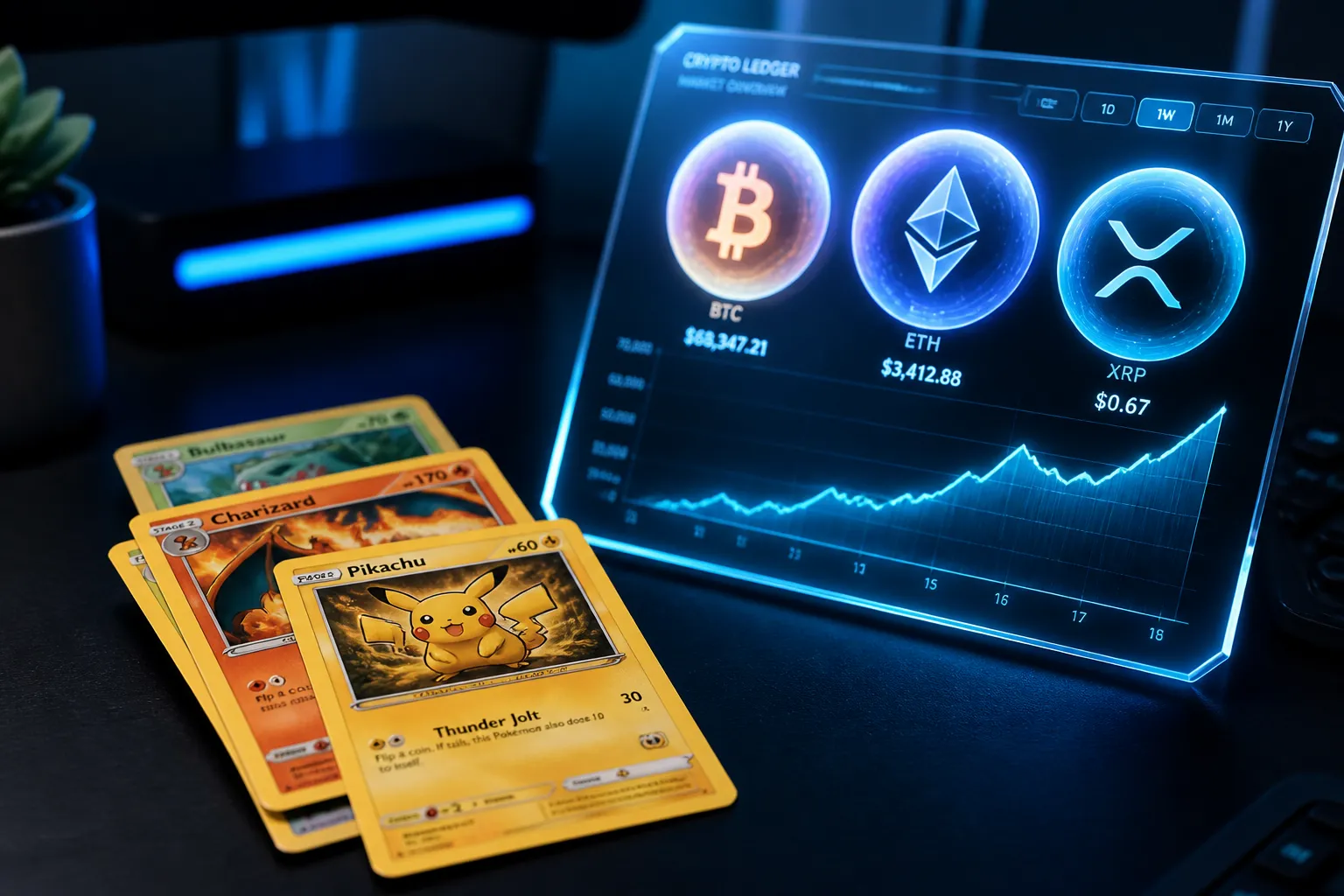
The Pokémon card index rose about 28 % year‑to‑date in 2026, compared with a 13 % rise for the S&P 500 and a 29 % decline for Bitcoin. The gains reflect a blend of retail enthusiasm, scarcity, nostalgia and record‑breaking sales.
Estimates place the broader trading‑card market between $10 billion and $15 billion, driven by high‑end sales and the growing interest of institutional investors. The market’s size is comparable to many traditional alternative asset classes.
A high‑profile transaction illustrates the market’s upper end: Logan Paul sold a PSA‑graded Pikachu Illustrator card to AJ Scaramucci for $16.5 million. Paul reportedly made more than $8 million in profit, and the sale set a new record for the most expensive trading card ever sold.
Retail demand has surged. Target reported a nearly 70 % increase in trading‑card sales last year, while Walmart recorded a 200 % jump in online sales. In April, hundreds of buyers lined up outside a Costco in British Columbia at 3:30 a.m. to purchase Prismatic Evolutions boxes, prompting both retailers to introduce purchase limits to curb scalping.
Trading physical cards remains cumbersome. Owners typically must send cards for grading, wait for authentication, list them on a marketplace, pay fees and ship them to buyers. The process can take weeks and incurs significant costs.
Crypto platforms such as Deadstock, Courtyard and Collector‑Crypto are attempting to streamline the experience. They authenticate cards, store them in secure vaults and issue blockchain tokens that represent ownership. Token holders can redeem the underlying cards later. The model applies the same real‑world asset infrastructure used for gold, private credit and U.S. Treasuries to collectible cardboard.
Courtyard recorded about $139 million in 30‑day trading volume, indicating demand for faster settlement and digitally transferable ownership. ATH Labs has partnered with Japan Trading Card Center to secure exclusive inventory for tokenization, a strategy that may give it a competitive edge.
Tokenized marketplaces face a chicken‑and‑egg problem: sellers need buyers, and buyers need platforms with deep inventory and reliable pricing. eBay remains the dominant marketplace, recording $2.62 billion in individual card sales in 2025, and its large buyer base and extensive transaction history provide price discovery.
Platforms that secure exclusive supply and build liquidity may outperform those that merely attach tokens to collectibles. The success of tokenized marketplaces will depend on inventory depth, pricing transparency and user trust.
The Pokémon card market’s outperformance of Bitcoin and the S&P 500 underscores growing institutional interest in alternative asset classes. While crypto platforms are bringing the collectibles market onto the blockchain, the industry still faces challenges around liquidity, inventory and regulatory oversight. The next few months will see further developments in tokenized marketplaces, potential regulatory guidance and the continued evolution of the collectibles market.
The Pokémon card index rose about 28 % year‑to‑date in 2026, compared with a 13 % rise for the S&P 500 and a 29 % decline for Bitcoin. The gains reflect a blend of retail enthusiasm, scarcity, nostalgia and record‑breaking sales.
Estimates place the broader trading‑card market between $10 billion and $15 billion, driven by high‑end sales and the growing interest of institutional investors. The market’s size is comparable to many traditional alternative asset classes.
A high‑profile transaction illustrates the market’s upper end: Logan Paul sold a PSA‑graded Pikachu Illustrator card to AJ Scaramucci for $16.5 million. Paul reportedly made more than $8 million in profit, and the sale set a new record for the most expensive trading card ever sold.
Retail demand has surged. Target reported a nearly 70 % increase in trading‑card sales last year, while Walmart recorded a 200 % jump in online sales. In April, hundreds of buyers lined up outside a Costco in British Columbia at 3:30 a.m. to purchase Prismatic Evolutions boxes, prompting both retailers to introduce purchase limits to curb scalping.
Trading physical cards remains cumbersome. Owners typically must send cards for grading, wait for authentication, list them on a marketplace, pay fees and ship them to buyers. The process can take weeks and incurs significant costs.
Crypto platforms such as Deadstock, Courtyard and Collector‑Crypto are attempting to streamline the experience. They authenticate cards, store them in secure vaults and issue blockchain tokens that represent ownership. Token holders can redeem the underlying cards later. The model applies the same real‑world asset infrastructure used for gold, private credit and U.S. Treasuries to collectible cardboard.
Courtyard recorded about $139 million in 30‑day trading volume, indicating demand for faster settlement and digitally transferable ownership. ATH Labs has partnered with Japan Trading Card Center to secure exclusive inventory for tokenization, a strategy that may give it a competitive edge.
Tokenized marketplaces face a chicken‑and‑egg problem: sellers need buyers, and buyers need platforms with deep inventory and reliable pricing. eBay remains the dominant marketplace, recording $2.62 billion in individual card sales in 2025, and its large buyer base and extensive transaction history provide price discovery.
Platforms that secure exclusive supply and build liquidity may outperform those that merely attach tokens to collectibles. The success of tokenized marketplaces will depend on inventory depth, pricing transparency and user trust.
The Pokémon card market’s outperformance of Bitcoin and the S&P 500 underscores growing institutional interest in alternative asset classes. While crypto platforms are bringing the collectibles market onto the blockchain, the industry still faces challenges around liquidity, inventory and regulatory oversight. The next few months will see further developments in tokenized marketplaces, potential regulatory guidance and the continued evolution of the collectibles market.







