Blab Crypto
Iowa Bitcoin Mine Faces Noise-Related Rezoning Battle
A bitcoin mining plant run by Compass Mining in Hopkinton, Iowa, has become the center of a quiet but intense dispute. Local residents, the county board, and the landowners are all staring at a single question: can a high‑energy, high‑noise operation rightfully occupy farmland? The answer will hinge on a pending rezoning vote.
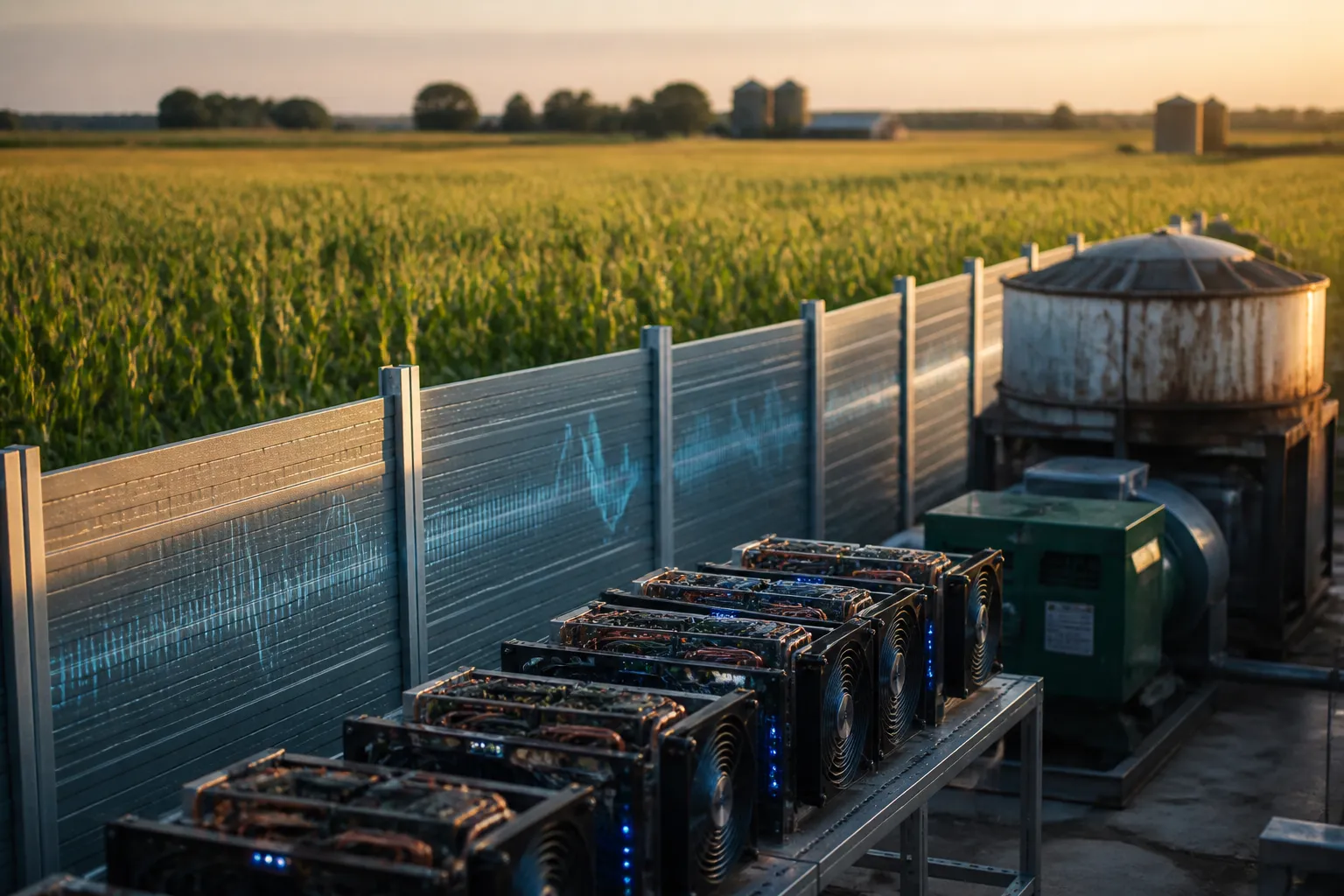
The facility, which began operating in 2023, sits on a parcel that is currently zoned for agriculture. The Delaware County Board of Supervisors has asked Compass Mining to seek a shift to light industrial status if it wants to keep running. The request comes after neighbors complained that the cooling fans produce a jet‑engine‑like roar, especially in the evenings and early mornings.
"I moved back to Iowa in 2016 and the sound is unmistakable," said Randy Fitzgerald, a resident whose property borders the south side of the mine. "It’s a jet engine coming from the farm. The fans aren’t always at full speed, but they get loud and it’s disruptive. I think the land is being used inappropriately and the facility should shut down."
Fitzgerald is not alone. Amy Krapfl, another nearby homeowner, told the board that the noise will persist for weeks or months and expressed disappointment that the county is allowing the operation to remain in a rural setting.
Property owners Dan and Dale Hosch own the farmland and lease it to Compass Mining under a five‑year agreement. They said they had no intention of hiding the facility’s impact from the public and disagreed with the neighbors’ concerns about water and electricity use. "The lease prohibits hazardous materials and shutting down the mine would hurt the county’s economic prospects compared with neighboring counties that have approved similar operations," the Hoschs added.
The Delaware County Zoning Commission has recommended denying the requested rezoning. The board has not yet taken action but will hold a public hearing within the next 30 days and vote on the rezoning request afterward. In the meantime, the mining facility is allowed to continue operating while the rezoning process is underway.
Noise complaints from bitcoin mines are not unique to Iowa. In 2024, Time reported residents in Granbury, Texas, who reported health issues and rattling windows caused by a nearby mining operation. In July 2026, officials in Crossville, Tennessee, announced a moratorium on new data centers while they develop regulations to address similar concerns. These cases illustrate a growing trend of communities questioning the suitability of high‑energy, high‑noise crypto‑mining facilities in residential or agricultural settings.
The broader regulatory context remains uncertain. While the Iowa state government has issued guidance on renewable energy and industrial zoning, it has not yet established specific rules for cryptocurrency mining. The Delaware County Zoning Commission’s recommendation to deny the rezoning request reflects a cautious approach to balancing local land‑use policies with the economic benefits that mining companies claim.
Compass Mining has not released a statement regarding the county’s decision. The company’s public filings show that it has expanded its infrastructure across several U.S. states, but the Hopkinton site is its first operation in Iowa. The company’s lease terms and the county’s zoning decision will likely influence whether the facility can remain operational.
The outcome of the upcoming hearing will determine whether the mine can continue to operate under a new light‑industrial designation or whether the county will enforce the existing agricultural zoning. Residents, property owners, and the mining company will all be watching the board’s vote closely.
In summary, the Hopkinton bitcoin mine is at a crossroads: the county’s rezoning decision, the community’s noise complaints, and the company’s lease obligations will shape the facility’s future. The next 30 days will be critical as the board reviews the request and prepares to vote, while the broader industry watches for a precedent that could affect similar operations nationwide.
The facility, which began operating in 2023, sits on a parcel that is currently zoned for agriculture. The Delaware County Board of Supervisors has asked Compass Mining to seek a shift to light industrial status if it wants to keep running. The request comes after neighbors complained that the cooling fans produce a jet‑engine‑like roar, especially in the evenings and early mornings.
"I moved back to Iowa in 2016 and the sound is unmistakable," said Randy Fitzgerald, a resident whose property borders the south side of the mine. "It’s a jet engine coming from the farm. The fans aren’t always at full speed, but they get loud and it’s disruptive. I think the land is being used inappropriately and the facility should shut down."
Fitzgerald is not alone. Amy Krapfl, another nearby homeowner, told the board that the noise will persist for weeks or months and expressed disappointment that the county is allowing the operation to remain in a rural setting.
Property owners Dan and Dale Hosch own the farmland and lease it to Compass Mining under a five‑year agreement. They said they had no intention of hiding the facility’s impact from the public and disagreed with the neighbors’ concerns about water and electricity use. "The lease prohibits hazardous materials and shutting down the mine would hurt the county’s economic prospects compared with neighboring counties that have approved similar operations," the Hoschs added.
The Delaware County Zoning Commission has recommended denying the requested rezoning. The board has not yet taken action but will hold a public hearing within the next 30 days and vote on the rezoning request afterward. In the meantime, the mining facility is allowed to continue operating while the rezoning process is underway.
Noise complaints from bitcoin mines are not unique to Iowa. In 2024, Time reported residents in Granbury, Texas, who reported health issues and rattling windows caused by a nearby mining operation. In July 2026, officials in Crossville, Tennessee, announced a moratorium on new data centers while they develop regulations to address similar concerns. These cases illustrate a growing trend of communities questioning the suitability of high‑energy, high‑noise crypto‑mining facilities in residential or agricultural settings.
The broader regulatory context remains uncertain. While the Iowa state government has issued guidance on renewable energy and industrial zoning, it has not yet established specific rules for cryptocurrency mining. The Delaware County Zoning Commission’s recommendation to deny the rezoning request reflects a cautious approach to balancing local land‑use policies with the economic benefits that mining companies claim.
Compass Mining has not released a statement regarding the county’s decision. The company’s public filings show that it has expanded its infrastructure across several U.S. states, but the Hopkinton site is its first operation in Iowa. The company’s lease terms and the county’s zoning decision will likely influence whether the facility can remain operational.
The outcome of the upcoming hearing will determine whether the mine can continue to operate under a new light‑industrial designation or whether the county will enforce the existing agricultural zoning. Residents, property owners, and the mining company will all be watching the board’s vote closely.
In summary, the Hopkinton bitcoin mine is at a crossroads: the county’s rezoning decision, the community’s noise complaints, and the company’s lease obligations will shape the facility’s future. The next 30 days will be critical as the board reviews the request and prepares to vote, while the broader industry watches for a precedent that could affect similar operations nationwide.