Blab Crypto
MoneyGram Launches Stablecoin-Backed Visa Card in Colombia
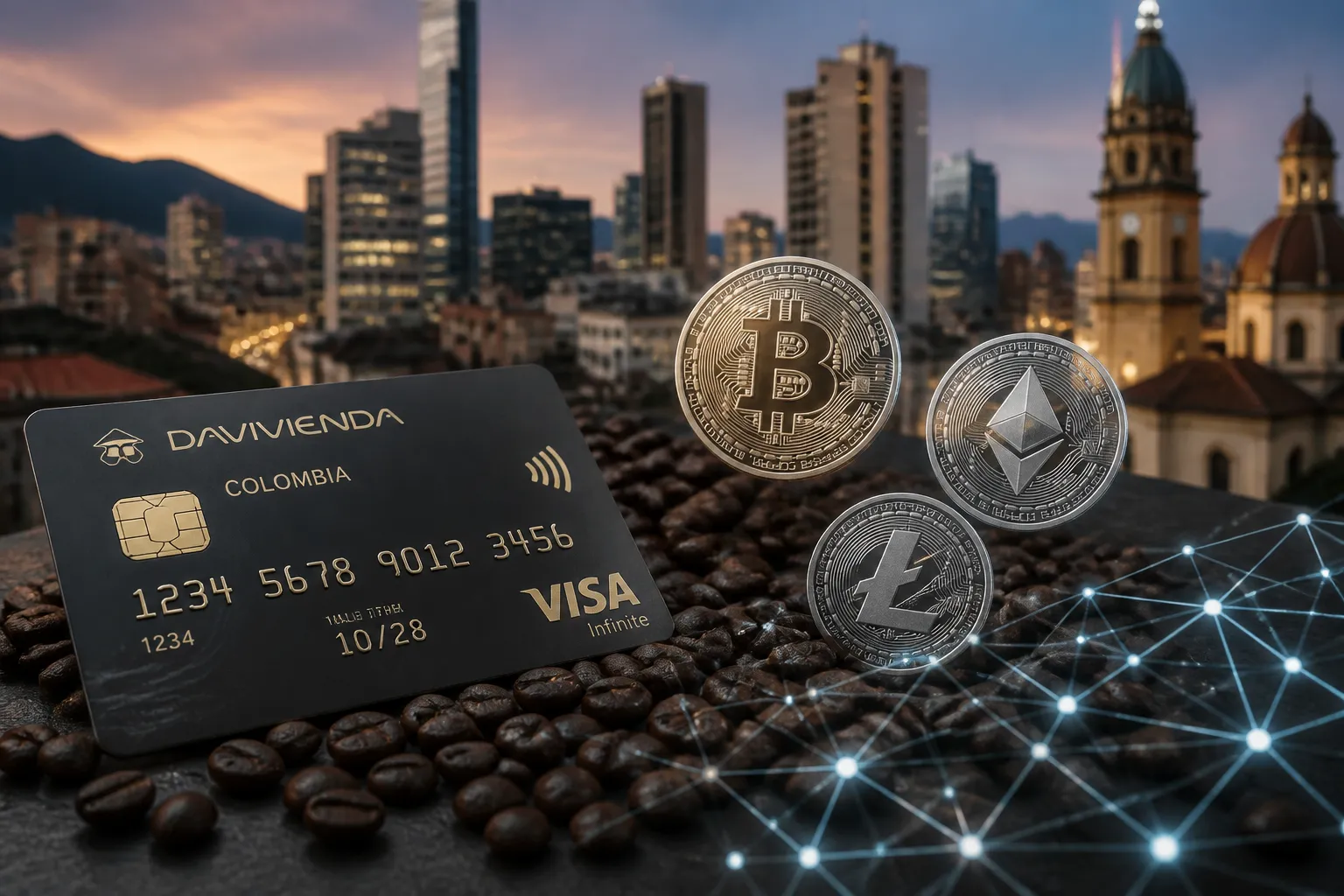
MoneyGram International, Inc. announced on September 10 2026 that it has introduced its first stablecoin‑backed Visa card, debuting as a virtual product in Colombia. The card can be added to Apple Wallet or Google Wallet and lets users spend balances held in a stable‑dollar token at any merchant that accepts Visa.
The offering is the result of a partnership with Rain, a stablecoin payments infrastructure provider. The card’s wallet infrastructure runs on the Stellar blockchain, while Crossmint supplies the wallet‑management layer. At launch the card is backed by the US dollar‑stablecoin USDC; MoneyGram plans to add support for its own MGUSD stablecoin—launched on Stellar in June 2026—shortly thereafter.
MoneyGram’s stablecoin strategy has been unfolding steadily over the past year. In June, the company rolled out MGUSD, a native dollar‑stablecoin on Stellar, and integrated it into its proprietary app via a self‑custodial wallet. The following month it expanded its crypto cash‑ramp network to the Solana ecosystem, connecting Solana’s blockchain to its global cash‑on‑and‑off‑ramp infrastructure.
The Visa card extends that strategy from holding and transferring digital dollars to everyday spending. By keeping the stable‑dollar balance within MoneyGram’s ecosystem and linking it to Visa’s global merchant network, the card removes the need for merchants to accept crypto directly.
The company says this approach can reduce reliance on traditional remittance settlement while preserving the customer experience tied to familiar payment networks. The card therefore represents a full stablecoin payment chain—cash and crypto ramps, a proprietary stablecoin, self‑custodial access, and now a Visa‑linked spending option.
Timing is notable. Western Union announced a similar product, its Stablecard, last month. Both firms are using Rain’s infrastructure to issue stablecoin‑backed cards, indicating a shift from experimental remittance projects toward direct competition between established money‑transfer providers.
Stablecoins can lower settlement times and reduce costs associated with cross‑border transfers. A World Bank analysis of remittance pricing in September 2025 found that debit cards were the lowest‑cost instrument for receiving remittances, with an average cost of 3.61 % of the amount transmitted. Although the MoneyGram Card is not a debit card, the data underscores the importance of card‑based access for connecting remittance funds to everyday spending.
By offering a stablecoin‑backed Visa card, MoneyGram bridges blockchain‑based remittances and the existing global merchant network. Recipients can spend funds directly, avoiding the need to convert stablecoins to fiat or to use crypto‑native merchants.
Colombia will serve as the first test market for the card. The virtual card’s availability in Apple Wallet and Google Wallet offers a low‑barrier entry point for users. MoneyGram plans to roll out a physical card and expand the product to additional markets later in 2026.
The launch reflects a broader trend in which remittance providers are integrating blockchain infrastructure into their core services. By building a full stablecoin payment chain, MoneyGram aims to modernize settlement processes while maintaining the distribution networks that have historically driven its business.
As of now, the MoneyGram Card is live in Colombia, backed by USDC, with MGUSD support slated for a future update. The company has not announced specific timelines for the physical card or for expansion into other countries.
The product’s success will hinge on customer adoption in Colombia and the ability to scale the infrastructure to support additional markets. If the card proves popular, MoneyGram may follow Western Union’s lead and position stablecoin‑backed cards as a core component of its international payments offering.
In summary, MoneyGram’s stablecoin‑backed Visa card marks a significant step in the convergence of blockchain remittances and traditional card payments. The virtual card’s launch in Colombia, backed by USDC and built on Stellar, sets the stage for future expansion and the integration of MGUSD. The company’s broader strategy of linking stablecoins to everyday spending could reshape how remittance funds are settled and used worldwide.
The offering is the result of a partnership with Rain, a stablecoin payments infrastructure provider. The card’s wallet infrastructure runs on the Stellar blockchain, while Crossmint supplies the wallet‑management layer. At launch the card is backed by the US dollar‑stablecoin USDC; MoneyGram plans to add support for its own MGUSD stablecoin—launched on Stellar in June 2026—shortly thereafter.
MoneyGram’s stablecoin strategy has been unfolding steadily over the past year. In June, the company rolled out MGUSD, a native dollar‑stablecoin on Stellar, and integrated it into its proprietary app via a self‑custodial wallet. The following month it expanded its crypto cash‑ramp network to the Solana ecosystem, connecting Solana’s blockchain to its global cash‑on‑and‑off‑ramp infrastructure.
The Visa card extends that strategy from holding and transferring digital dollars to everyday spending. By keeping the stable‑dollar balance within MoneyGram’s ecosystem and linking it to Visa’s global merchant network, the card removes the need for merchants to accept crypto directly.
The company says this approach can reduce reliance on traditional remittance settlement while preserving the customer experience tied to familiar payment networks. The card therefore represents a full stablecoin payment chain—cash and crypto ramps, a proprietary stablecoin, self‑custodial access, and now a Visa‑linked spending option.
Timing is notable. Western Union announced a similar product, its Stablecard, last month. Both firms are using Rain’s infrastructure to issue stablecoin‑backed cards, indicating a shift from experimental remittance projects toward direct competition between established money‑transfer providers.
Stablecoins can lower settlement times and reduce costs associated with cross‑border transfers. A World Bank analysis of remittance pricing in September 2025 found that debit cards were the lowest‑cost instrument for receiving remittances, with an average cost of 3.61 % of the amount transmitted. Although the MoneyGram Card is not a debit card, the data underscores the importance of card‑based access for connecting remittance funds to everyday spending.
By offering a stablecoin‑backed Visa card, MoneyGram bridges blockchain‑based remittances and the existing global merchant network. Recipients can spend funds directly, avoiding the need to convert stablecoins to fiat or to use crypto‑native merchants.
Colombia will serve as the first test market for the card. The virtual card’s availability in Apple Wallet and Google Wallet offers a low‑barrier entry point for users. MoneyGram plans to roll out a physical card and expand the product to additional markets later in 2026.
The launch reflects a broader trend in which remittance providers are integrating blockchain infrastructure into their core services. By building a full stablecoin payment chain, MoneyGram aims to modernize settlement processes while maintaining the distribution networks that have historically driven its business.
As of now, the MoneyGram Card is live in Colombia, backed by USDC, with MGUSD support slated for a future update. The company has not announced specific timelines for the physical card or for expansion into other countries.
The product’s success will hinge on customer adoption in Colombia and the ability to scale the infrastructure to support additional markets. If the card proves popular, MoneyGram may follow Western Union’s lead and position stablecoin‑backed cards as a core component of its international payments offering.
In summary, MoneyGram’s stablecoin‑backed Visa card marks a significant step in the convergence of blockchain remittances and traditional card payments. The virtual card’s launch in Colombia, backed by USDC and built on Stellar, sets the stage for future expansion and the integration of MGUSD. The company’s broader strategy of linking stablecoins to everyday spending could reshape how remittance funds are settled and used worldwide.