Blab Crypto
La Conner Town Council Bans Cryptocurrency Kiosks Amid Rising Scam Concerns
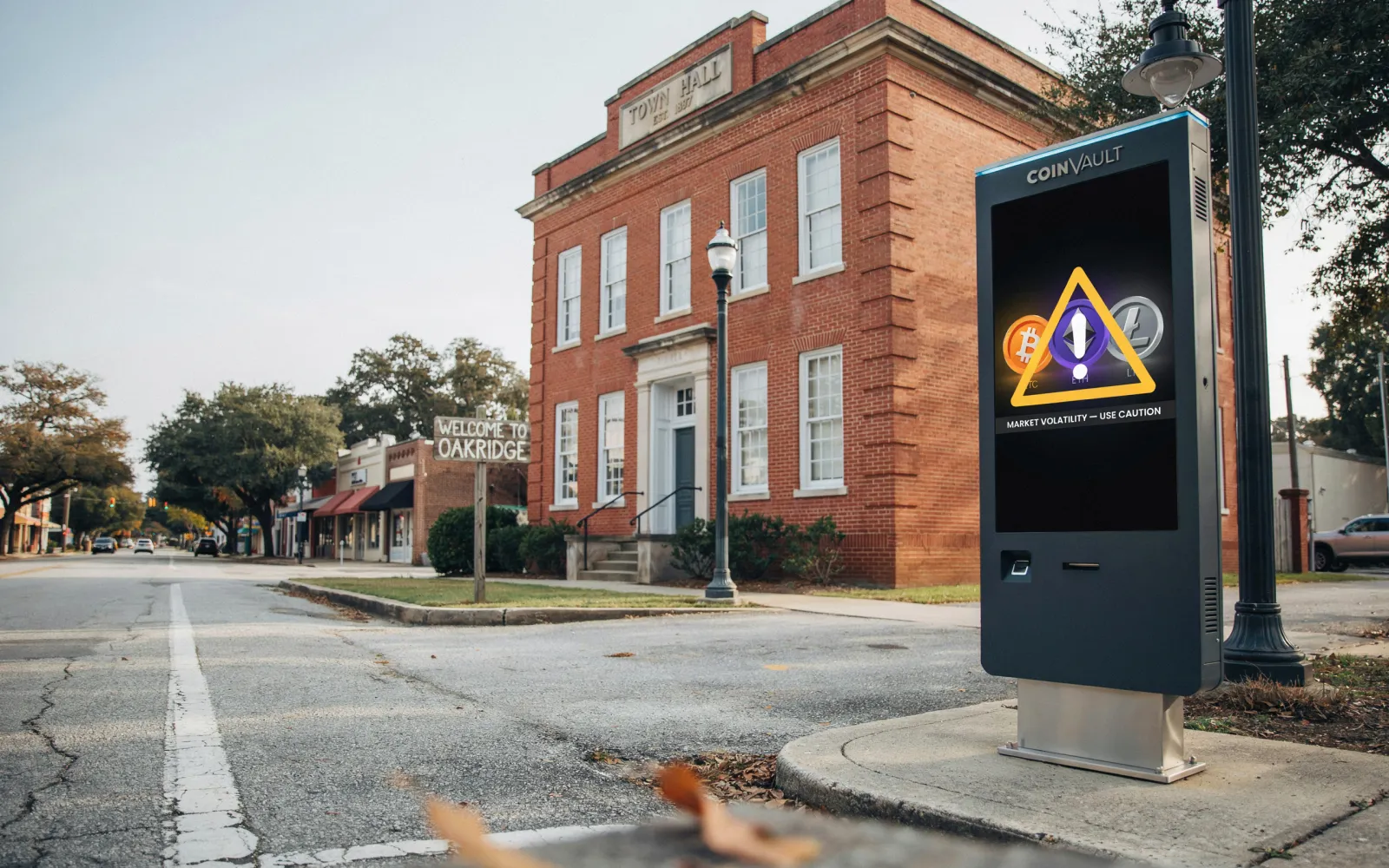
When the La Conner Town Council met on Tuesday, it pulled a decisive card, prohibiting all cryptocurrency kiosks within the town’s limits. The ordinance, approved as a resolution, cites the ease with which virtual currencies can be used for theft and other illegal activities, the difficulty of law‑enforcement oversight, and the use of kiosks in financial scams.
The resolution adds a new chapter to La Conner’s municipal code that defines virtual currency and virtual currency kiosks and declares the kiosks illegal. Under the new code, any kiosk already in place must be removed by the operator within 90 days. The town is aware of one kiosk currently operating inside a private business.
The council’s decision follows a broader trend in the region. Anacortes, another city in Skagit County, passed a similar ban in April after receiving more than 100 scam complaints. The state of Washington has not yet enacted a statewide ban, but the La Conner ordinance is the first municipal action in the state.
The ordinance notes that the town has limited ability under state and federal law to regulate the underlying cryptocurrency transactions, but it can regulate the placement and use of physical kiosks. The resolution also references the FBI’s annual report, which documents a rise in investment‑scam losses involving cryptocurrencies. According to the report, the FBI received 69,000 complaints in 2023, with losses totaling $5.6 billion.
Oak Harbor resident and AARP Fraud Watch volunteer Dan Wall spoke at the meeting and said he “strongly supports” the resolution. He added, “What I’ve noticed, and what the FBI has actually reported in their annual report, is the increasing use of crypto kiosks to get money to scammers.”
The council also discussed a draft Public Records Act policy, though no decision was made on that item during the session. The meeting, held at 6 p.m. in Maple Hall, is recorded and is part of the town’s regular schedule on the second and fourth Tuesdays of each month.
The La Conner ban is part of a growing national dialogue about kiosk regulation. In May, Minnesota Governor Tim Walz signed a bill that will ban cryptocurrency kiosks statewide effective July 1, 2026. The Minnesota law targets fraud against seniors and includes a provision that requires kiosk operators to register with the U.S. Treasury.
Other states have taken similar steps. Nevada’s unregulated kiosks have been cited as a “paradise for scammers,” and Tennessee’s Securities Division has expressed support for kiosk bans as a way to curb abuse. In Delaware, lawmakers are pushing for a total ban on all cryptocurrency kiosks.
The La Conner ordinance does not affect the ability of residents to buy or trade cryptocurrencies online. It specifically targets the physical kiosks that allow cash or debit‑card purchases of digital currency.
The town’s action reflects concerns that kiosks can be used to funnel money to scammers with little traceability. By removing the physical point of sale, La Conner aims to reduce the risk of fraud for its residents, particularly seniors who are often targeted by crypto‑related scams.
The ordinance is now in effect, and operators of the existing kiosk have 90 days to remove the machine. The town will monitor compliance and may pursue enforcement actions if the kiosk remains in place beyond the deadline.
The ban adds to a patchwork of local and state regulations that aim to protect consumers while allowing the broader cryptocurrency market to function. As more jurisdictions consider similar measures, the legal landscape for virtual‑currency kiosks is likely to become more uniform across the United States.
The La Conner decision underscores the growing emphasis on consumer protection in the digital‑asset space and signals that municipalities are willing to take targeted regulatory action to address specific risks associated with cryptocurrency kiosks.
The resolution adds a new chapter to La Conner’s municipal code that defines virtual currency and virtual currency kiosks and declares the kiosks illegal. Under the new code, any kiosk already in place must be removed by the operator within 90 days. The town is aware of one kiosk currently operating inside a private business.
The council’s decision follows a broader trend in the region. Anacortes, another city in Skagit County, passed a similar ban in April after receiving more than 100 scam complaints. The state of Washington has not yet enacted a statewide ban, but the La Conner ordinance is the first municipal action in the state.
The ordinance notes that the town has limited ability under state and federal law to regulate the underlying cryptocurrency transactions, but it can regulate the placement and use of physical kiosks. The resolution also references the FBI’s annual report, which documents a rise in investment‑scam losses involving cryptocurrencies. According to the report, the FBI received 69,000 complaints in 2023, with losses totaling $5.6 billion.
Oak Harbor resident and AARP Fraud Watch volunteer Dan Wall spoke at the meeting and said he “strongly supports” the resolution. He added, “What I’ve noticed, and what the FBI has actually reported in their annual report, is the increasing use of crypto kiosks to get money to scammers.”
The council also discussed a draft Public Records Act policy, though no decision was made on that item during the session. The meeting, held at 6 p.m. in Maple Hall, is recorded and is part of the town’s regular schedule on the second and fourth Tuesdays of each month.
The La Conner ban is part of a growing national dialogue about kiosk regulation. In May, Minnesota Governor Tim Walz signed a bill that will ban cryptocurrency kiosks statewide effective July 1, 2026. The Minnesota law targets fraud against seniors and includes a provision that requires kiosk operators to register with the U.S. Treasury.
Other states have taken similar steps. Nevada’s unregulated kiosks have been cited as a “paradise for scammers,” and Tennessee’s Securities Division has expressed support for kiosk bans as a way to curb abuse. In Delaware, lawmakers are pushing for a total ban on all cryptocurrency kiosks.
The La Conner ordinance does not affect the ability of residents to buy or trade cryptocurrencies online. It specifically targets the physical kiosks that allow cash or debit‑card purchases of digital currency.
The town’s action reflects concerns that kiosks can be used to funnel money to scammers with little traceability. By removing the physical point of sale, La Conner aims to reduce the risk of fraud for its residents, particularly seniors who are often targeted by crypto‑related scams.
The ordinance is now in effect, and operators of the existing kiosk have 90 days to remove the machine. The town will monitor compliance and may pursue enforcement actions if the kiosk remains in place beyond the deadline.
The ban adds to a patchwork of local and state regulations that aim to protect consumers while allowing the broader cryptocurrency market to function. As more jurisdictions consider similar measures, the legal landscape for virtual‑currency kiosks is likely to become more uniform across the United States.
The La Conner decision underscores the growing emphasis on consumer protection in the digital‑asset space and signals that municipalities are willing to take targeted regulatory action to address specific risks associated with cryptocurrency kiosks.







