Blab Crypto
Pig Butchering Scams: How Wrong Number Texts Turn into Multi-Million Dollar Crypto Frauds
In a world where a single text can wipe out a life’s savings, a new breed of romance‑investment scam has taken center stage.
The FBI’s Internet Crime Complaint Center logged more than $5.8 billion in crypto‑investment fraud losses in 2024, and pig butchering is the most common category. The attack begins with a seemingly innocent “wrong number” message that sets the stage for a long‑term relationship, only to end with the victim’s money vanishing.
Scammers buy bulk phone numbers from data brokers and send a message that looks like a misdirected invitation or a casual check‑in. When the recipient replies “wrong number,” the fraudster apologizes, cracks a joke, and asks where the person is from. This “wrong‑number gambit” removes the initial suspicion of a stranger reaching out and invites conversation on a private messaging app such as WhatsApp, Telegram, or WeChat.
Over weeks, the scammer floods the victim’s inbox with daily greetings, small talk about family, pets, or home renovations, and photos scraped from the victim’s own social media profile. The scripted messages trigger oxytocin‑mediated trust, making the victim feel a bond with the texter.
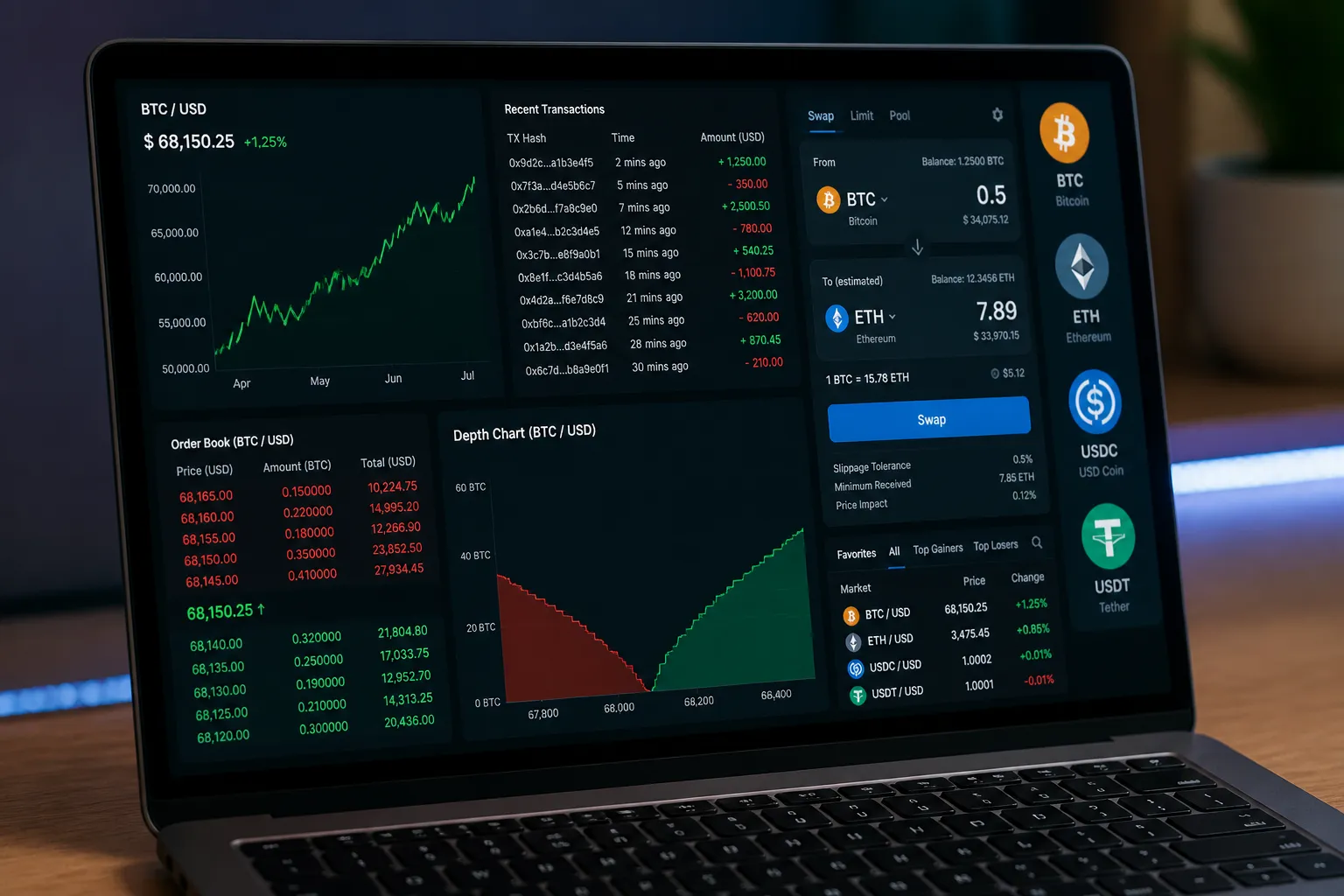
When the relationship feels comfortable, the fraudster introduces a “crypto trading platform.” The interface mimics a legitimate exchange, complete with order books, candle charts, and a two‑factor authentication screen. The scammer shows screenshots of “gains” and lets the victim test the platform by depositing a small amount of Bitcoin or USDT. The first withdrawal usually succeeds, confirming the illusion of a real system.
After the initial profit, the scammer asks for larger deposits. Each withdrawal request is met with a new fee—tax, verification, or an anti‑money‑laundering deposit—presented as a final hurdle. The victim is encouraged to borrow against their home, tap retirement accounts, or ask family members for money. By the time the victim realizes the platform is fake, the funds have been moved through dozens of crypto wallets, converted to stablecoins, and finally withdrawn as cash in Cambodia, Myanmar, or the Philippines.
These operations are not run by isolated hackers; they operate out of industrial‑scale compounds in Southeast Asia. The United Nations Office on Drugs and Crime estimates that hundreds of thousands of people are held in these camps, many trafficked from across the region. Workers who fail to meet quotas are beaten, and some are sold between compounds. Recent investigations have shown that some camps use Starlink terminals to bypass internet crackdowns.
In October 2025, U.S. prosecutors in Brooklyn unsealed an indictment charging Chen Zhi, the chairman of Cambodia’s Prince Group, with wire fraud and money‑laundering conspiracy. The Justice Department seized roughly $15 billion in Bitcoin tied to him, the largest forfeiture action in U.S. history. The U.S. and U.K. announced coordinated sanctions on 146 people and entities linked to the group, freezing more than £100 million in London property.
Victims are not the stereotypical lonely retiree. According to FBI data, the average loss reported in 2024 was above $100 k, and the demographic skews toward people in their thirties to fifties—software engineers, doctors, lawyers, and recent immigrants with savings. The scam is calibrated for those who have assets to liquidate; the relationship component is a means to secure the willingness to invest.
Recovery is difficult. Victims lose not only money but also a relationship they believed was real. Many do not tell their spouses for months, and some do not tell anyone at all. Support groups have begun forming in the United States and Singapore to help people process the dual loss of savings and a fabricated partner.
The pig‑butchering cycle ends when the scammer stops texting and the fake platform’s customer support goes silent. The victim’s phone number goes dark, and the victim is left with a drained account and a broken trust.
The scale of the problem, the human cost, and the international reach of the compounds underscore the need for coordinated law‑enforcement action and public awareness. While the FBI and DOJ have made significant arrests and seizures, the full extent of the fraud remains unclear, as many victims do not report the loss and the underground operations continue to evolve.
The FBI’s Internet Crime Complaint Center logged more than $5.8 billion in crypto‑investment fraud losses in 2024, and pig butchering is the most common category. The attack begins with a seemingly innocent “wrong number” message that sets the stage for a long‑term relationship, only to end with the victim’s money vanishing.
Scammers buy bulk phone numbers from data brokers and send a message that looks like a misdirected invitation or a casual check‑in. When the recipient replies “wrong number,” the fraudster apologizes, cracks a joke, and asks where the person is from. This “wrong‑number gambit” removes the initial suspicion of a stranger reaching out and invites conversation on a private messaging app such as WhatsApp, Telegram, or WeChat.
Over weeks, the scammer floods the victim’s inbox with daily greetings, small talk about family, pets, or home renovations, and photos scraped from the victim’s own social media profile. The scripted messages trigger oxytocin‑mediated trust, making the victim feel a bond with the texter.
When the relationship feels comfortable, the fraudster introduces a “crypto trading platform.” The interface mimics a legitimate exchange, complete with order books, candle charts, and a two‑factor authentication screen. The scammer shows screenshots of “gains” and lets the victim test the platform by depositing a small amount of Bitcoin or USDT. The first withdrawal usually succeeds, confirming the illusion of a real system.
After the initial profit, the scammer asks for larger deposits. Each withdrawal request is met with a new fee—tax, verification, or an anti‑money‑laundering deposit—presented as a final hurdle. The victim is encouraged to borrow against their home, tap retirement accounts, or ask family members for money. By the time the victim realizes the platform is fake, the funds have been moved through dozens of crypto wallets, converted to stablecoins, and finally withdrawn as cash in Cambodia, Myanmar, or the Philippines.
These operations are not run by isolated hackers; they operate out of industrial‑scale compounds in Southeast Asia. The United Nations Office on Drugs and Crime estimates that hundreds of thousands of people are held in these camps, many trafficked from across the region. Workers who fail to meet quotas are beaten, and some are sold between compounds. Recent investigations have shown that some camps use Starlink terminals to bypass internet crackdowns.
In October 2025, U.S. prosecutors in Brooklyn unsealed an indictment charging Chen Zhi, the chairman of Cambodia’s Prince Group, with wire fraud and money‑laundering conspiracy. The Justice Department seized roughly $15 billion in Bitcoin tied to him, the largest forfeiture action in U.S. history. The U.S. and U.K. announced coordinated sanctions on 146 people and entities linked to the group, freezing more than £100 million in London property.
Victims are not the stereotypical lonely retiree. According to FBI data, the average loss reported in 2024 was above $100 k, and the demographic skews toward people in their thirties to fifties—software engineers, doctors, lawyers, and recent immigrants with savings. The scam is calibrated for those who have assets to liquidate; the relationship component is a means to secure the willingness to invest.
Recovery is difficult. Victims lose not only money but also a relationship they believed was real. Many do not tell their spouses for months, and some do not tell anyone at all. Support groups have begun forming in the United States and Singapore to help people process the dual loss of savings and a fabricated partner.
The pig‑butchering cycle ends when the scammer stops texting and the fake platform’s customer support goes silent. The victim’s phone number goes dark, and the victim is left with a drained account and a broken trust.
The scale of the problem, the human cost, and the international reach of the compounds underscore the need for coordinated law‑enforcement action and public awareness. While the FBI and DOJ have made significant arrests and seizures, the full extent of the fraud remains unclear, as many victims do not report the loss and the underground operations continue to evolve.