Blab Crypto
AI-Detected Vulnerability Sends Zcash Price Tumbling
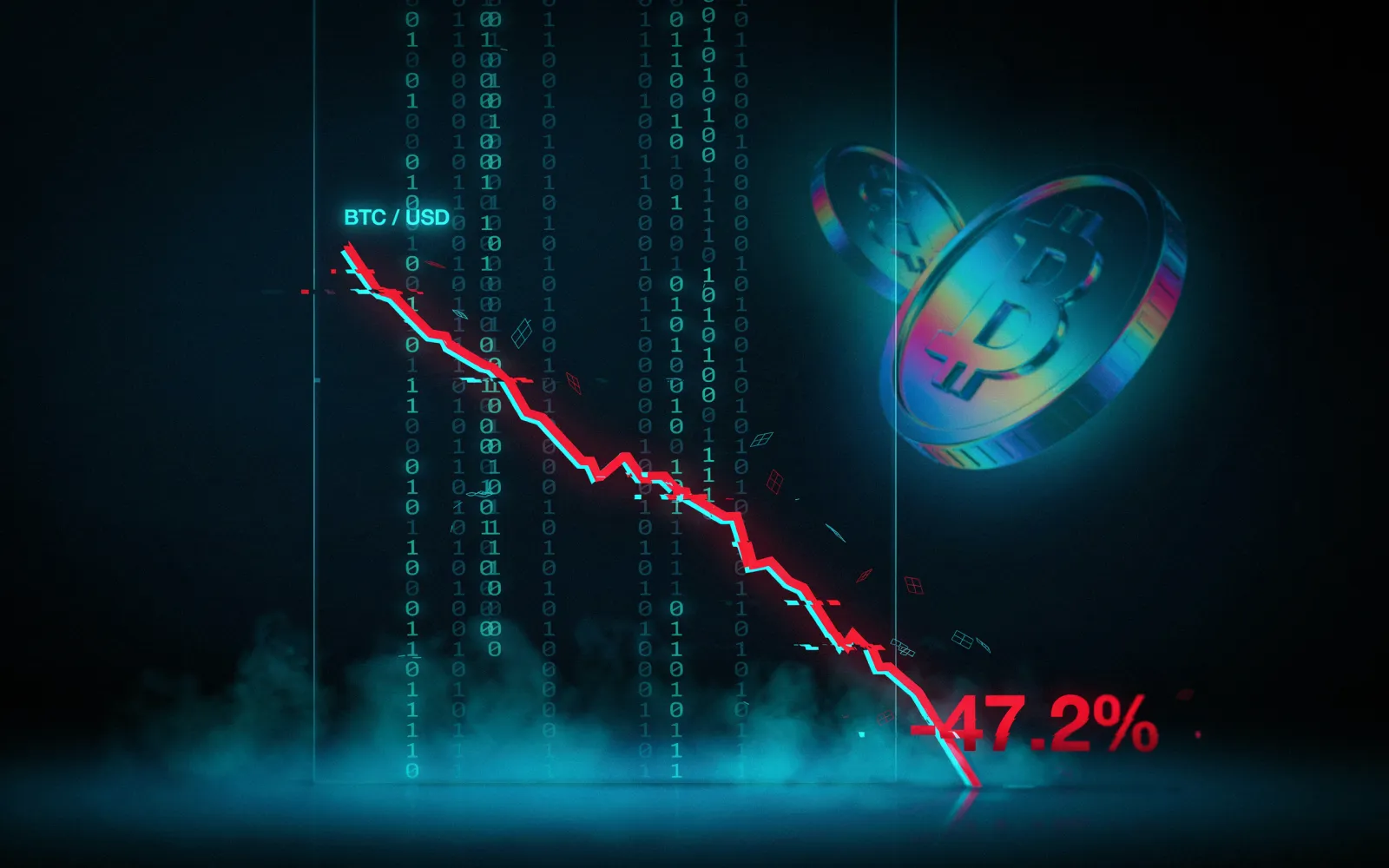
A sudden 50‑percent plunge rattled Zcash’s market after an AI‑driven audit uncovered a flaw that had lurked for more than four years. On June 4, the privacy‑focused cryptocurrency disclosed that an undiscovered weakness in its zero‑knowledge proof system could allow an attacker to mint an unlimited supply of Zcash tokens, effectively eroding the network’s economic security.
The flaw was identified by researcher Taylor Hornby, who employed Anthropic’s Claude Opus 4.8 to scan the protocol. Claude was released on May 28, and Hornby’s discovery came just a day later. Zcash founder Zooko Wilcox‑O’Hearn confirmed the issue in a public statement and announced the vulnerability on the same day.
The news triggered a rapid reassessment of one of crypto’s most established privacy networks. Arthur Hayes, a prominent investor, liquidated his entire Zcash position following the disclosure. The 50‑percent price drop reflected heightened concern over hidden weaknesses in even heavily reviewed protocols.
The episode illustrates the double‑edged nature of AI in security work. Developers can now audit code more efficiently, but attackers can likewise use advanced models to locate and exploit vulnerabilities faster. Eli Ben‑Sasson, Zcash co‑founder, warned that future cases may not end as favorably if malicious actors discover bugs before the community.
Decentralized finance has already suffered major hacks, and nation‑state groups such as North Korea’s Lazarus Group target crypto assets. Long‑term quantum computing risks also loom. The Zcash incident may reset investor expectations about the robustness of crypto security and could influence regulatory scrutiny.
Zcash has issued a patch and is conducting additional security reviews. No evidence of exploitation has been reported to date. The incident underscores the need for continuous vigilance and the potential role of AI in both protecting and threatening blockchain networks.
The vulnerability, uncovered with AI assistance, has already had a measurable impact on Zcash’s market value and has highlighted new risks in the crypto space. Investors and developers will watch how the protocol addresses the flaw and whether similar AI‑driven discoveries emerge in other projects.
The flaw was identified by researcher Taylor Hornby, who employed Anthropic’s Claude Opus 4.8 to scan the protocol. Claude was released on May 28, and Hornby’s discovery came just a day later. Zcash founder Zooko Wilcox‑O’Hearn confirmed the issue in a public statement and announced the vulnerability on the same day.
The news triggered a rapid reassessment of one of crypto’s most established privacy networks. Arthur Hayes, a prominent investor, liquidated his entire Zcash position following the disclosure. The 50‑percent price drop reflected heightened concern over hidden weaknesses in even heavily reviewed protocols.
The episode illustrates the double‑edged nature of AI in security work. Developers can now audit code more efficiently, but attackers can likewise use advanced models to locate and exploit vulnerabilities faster. Eli Ben‑Sasson, Zcash co‑founder, warned that future cases may not end as favorably if malicious actors discover bugs before the community.
Decentralized finance has already suffered major hacks, and nation‑state groups such as North Korea’s Lazarus Group target crypto assets. Long‑term quantum computing risks also loom. The Zcash incident may reset investor expectations about the robustness of crypto security and could influence regulatory scrutiny.
Zcash has issued a patch and is conducting additional security reviews. No evidence of exploitation has been reported to date. The incident underscores the need for continuous vigilance and the potential role of AI in both protecting and threatening blockchain networks.
The vulnerability, uncovered with AI assistance, has already had a measurable impact on Zcash’s market value and has highlighted new risks in the crypto space. Investors and developers will watch how the protocol addresses the flaw and whether similar AI‑driven discoveries emerge in other projects.