Blab Crypto
Bipartisan Bill Aims to Protect Seniors from Crypto ATM Scams
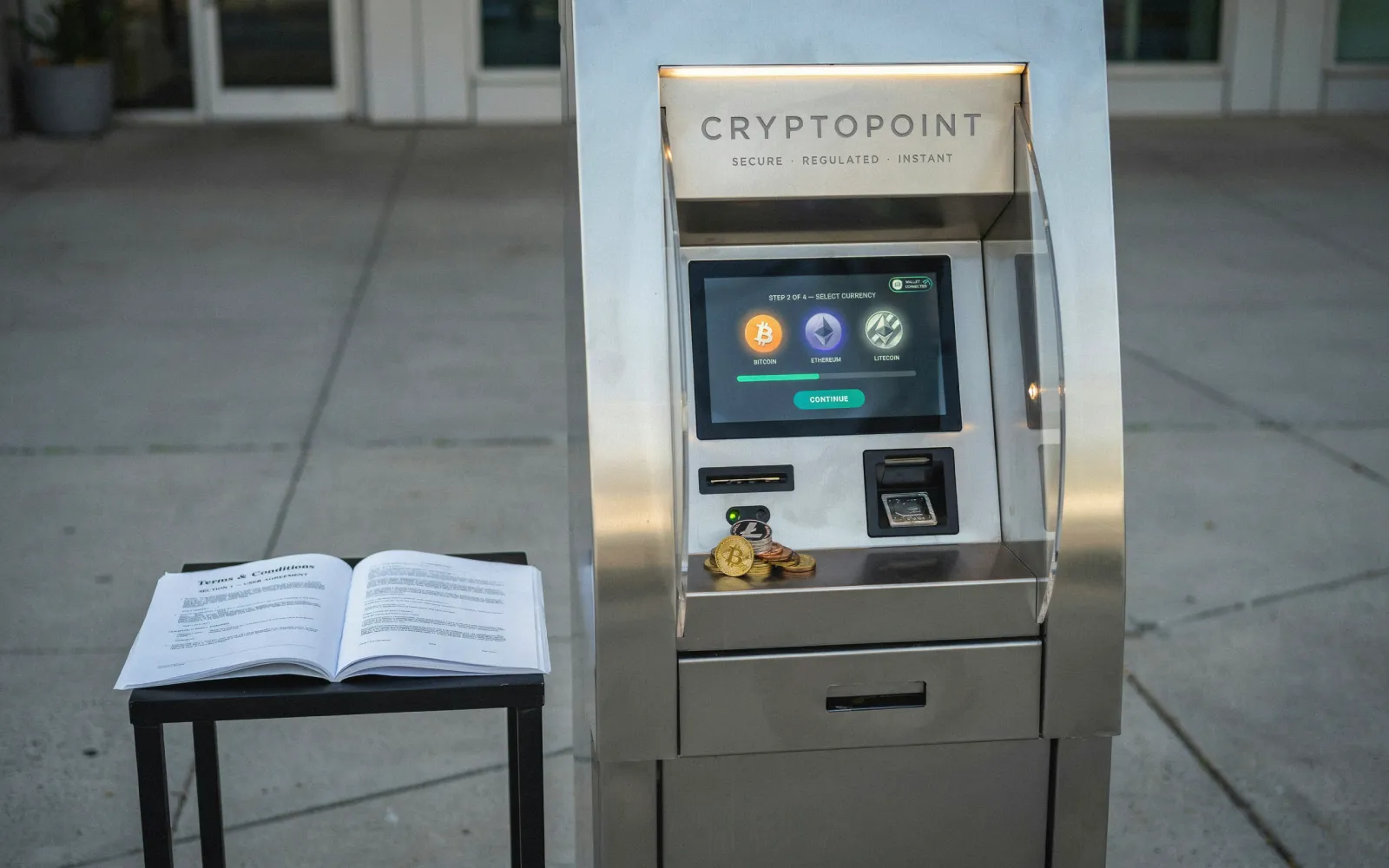
A bipartisan bill, the Stop Crypto ATM Scams Act, was introduced in the U.S. House by Representatives Sean Casten (D‑IL) and Maria Salazar (R‑FL) on June 15, 2026. The legislation seeks to impose stricter safeguards on the more than 30,000 crypto ATMs that operate across the country, a network that has become a target for fraudsters.
According to FBI data released in 2025, Americans lost more than $333 million to crypto‑ATM scams, a 33 percent increase over 2024. The agency logged 12,000 complaints that year, and a 2024 report found that 86 percent of victims were aged 60 or older. The FBI notes that stolen funds often move to foreign wallets in jurisdictions that are less likely to cooperate with U.S. investigations, making recovery difficult.
Casten explained that “my constituents have lost devastating sums of money to crypto‑enabled fraud.” He added that “crypto ATMs offer criminals a quick and easy way to prey on seniors and steal their hard‑earned money.” The bill would require operators to adopt the same anti‑money‑laundering (AML) rules that banks, credit unions, and other crypto firms must follow.
Key provisions of the Stop Crypto ATM Scams Act include daily transaction limits for customers, mandatory anti‑fraud measures, and clear scam warnings. Operators would also need to provide detailed disclosures before a transaction is completed and issue written or electronic receipts that contain information useful for law‑enforcement investigations.
The legislation is part of a broader effort by U.S. regulators to curb fraud linked to cryptocurrency kiosks. The bill follows earlier initiatives that targeted crypto‑ATM operators for their role in facilitating irreversible, pseudo‑anonymous transfers that scammers use to move stolen money.
Law‑enforcement officials say that the lack of transparency at many crypto ATMs hampers investigations. By requiring receipts and disclosures, the bill aims to create a paper trail that could help trace funds and identify perpetrators.
The bill has received support from consumer‑protection groups that focus on safeguarding seniors. While the legislation has not yet been voted on, it signals congressional intent to bring crypto‑ATM operators under the same regulatory framework that governs traditional financial institutions.
If enacted, the Stop Crypto ATM Scams Act would impose new compliance obligations on operators and could reduce the number of scams targeting vulnerable populations. The bill’s progress will be closely watched by industry participants, regulators, and consumer advocates.
According to FBI data released in 2025, Americans lost more than $333 million to crypto‑ATM scams, a 33 percent increase over 2024. The agency logged 12,000 complaints that year, and a 2024 report found that 86 percent of victims were aged 60 or older. The FBI notes that stolen funds often move to foreign wallets in jurisdictions that are less likely to cooperate with U.S. investigations, making recovery difficult.
Casten explained that “my constituents have lost devastating sums of money to crypto‑enabled fraud.” He added that “crypto ATMs offer criminals a quick and easy way to prey on seniors and steal their hard‑earned money.” The bill would require operators to adopt the same anti‑money‑laundering (AML) rules that banks, credit unions, and other crypto firms must follow.
Key provisions of the Stop Crypto ATM Scams Act include daily transaction limits for customers, mandatory anti‑fraud measures, and clear scam warnings. Operators would also need to provide detailed disclosures before a transaction is completed and issue written or electronic receipts that contain information useful for law‑enforcement investigations.
The legislation is part of a broader effort by U.S. regulators to curb fraud linked to cryptocurrency kiosks. The bill follows earlier initiatives that targeted crypto‑ATM operators for their role in facilitating irreversible, pseudo‑anonymous transfers that scammers use to move stolen money.
Law‑enforcement officials say that the lack of transparency at many crypto ATMs hampers investigations. By requiring receipts and disclosures, the bill aims to create a paper trail that could help trace funds and identify perpetrators.
The bill has received support from consumer‑protection groups that focus on safeguarding seniors. While the legislation has not yet been voted on, it signals congressional intent to bring crypto‑ATM operators under the same regulatory framework that governs traditional financial institutions.
If enacted, the Stop Crypto ATM Scams Act would impose new compliance obligations on operators and could reduce the number of scams targeting vulnerable populations. The bill’s progress will be closely watched by industry participants, regulators, and consumer advocates.