Blab Crypto
Alabama Residents Reject VoltCores Bitcoin Mining Proposal in Somerville
When the town hall in Somerville closed, the silence was louder than any power surge the proposed mining center would have produced. The quiet rural streets of the small town south of Decatur were interrupted by a proposal that many residents felt would rip their peaceful landscape apart.
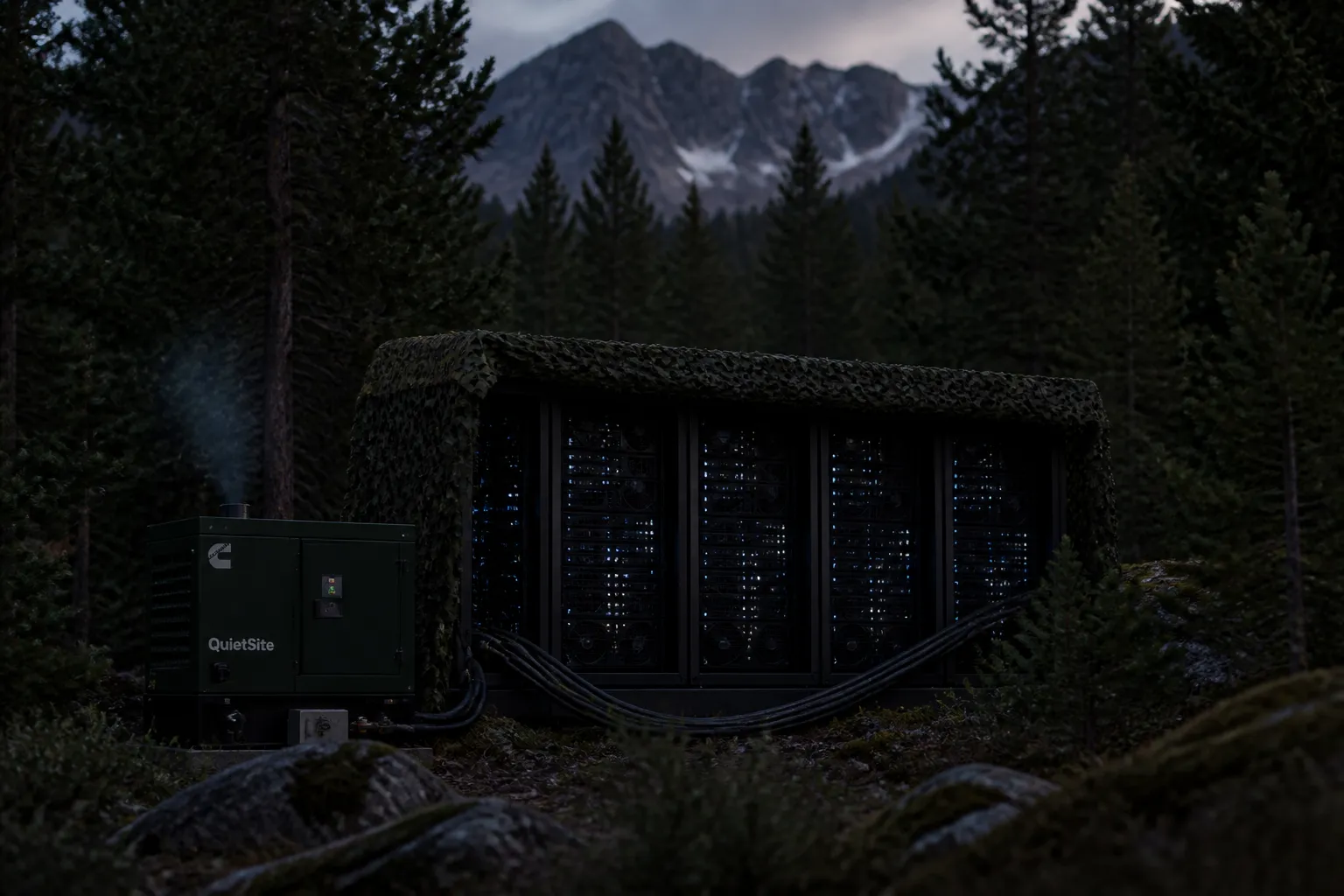
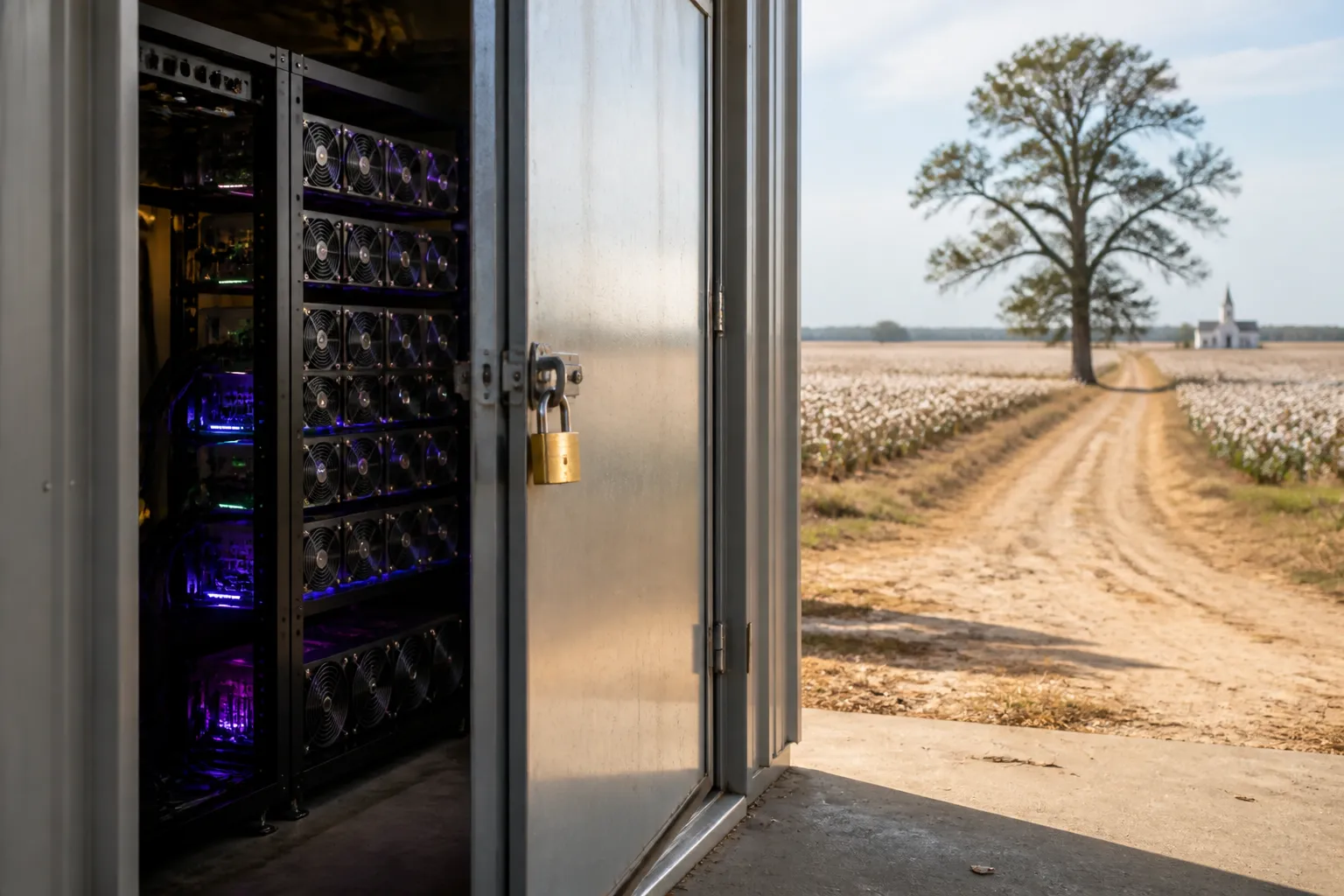
VoltCore, a cryptocurrency‑mining firm, had outlined plans to erect a high‑power data‑center on 15 acres of land near Union Road in southeast Morgan County. The company’s presentation, delivered at a recent town meeting, detailed a facility that would house dozens of mining rigs and the supporting infrastructure required to keep them humming. In an effort to win local goodwill, VoltCore promised each household a one‑year internet subscription, a natural‑gas line, and a pledge to restore the land once the project’s life cycle ended.
Despite those incentives, the company has yet to secure easements from four property owners whose land would be crossed by the necessary 75‑foot power lines and transmission equipment. “We’re looking for agreements that would allow us to bring the electricity to the site,” VoltCore explained, but the landowners have remained silent.
The town’s opposition centered on the potential erosion of Somerville’s rural character. Will Hutson, a longtime homeowner, said, “It just changes the entire environment right now. Right now, it’s beautiful, it’s peaceful, it’s country setting.” Another resident, Lyndsey Hutson, who had been on the front lines of the company’s outreach, told WAFF 48 that she had gone door‑to‑door and found the community “extremely against” the proposal. “I went door to door. Everybody is extremely against this,” she added.
Beyond aesthetics, practical concerns weighed heavily. The 75‑foot power lines would cut across private property, raising fears of road damage, increased traffic, and the constant hum of mining equipment. Brock Wilson, yet another resident, pointed out the disparity in regulation: “There are more rules if I wanted to put a chicken house on my property, than there are if I wanted to install a data center.”
Bitcoin mining is notorious for its energy consumption. While some operators claim they can source clean power, critics highlight the environmental footprint of facilities that rely on coal, oil, or gas. The Somerville dispute reflects a wider national pattern in which energy‑intensive digital infrastructure projects face resistance in rural areas.
Morgan County officials weighed in on the matter. County Commission Chairman Ray Long acknowledged that the county does not have the authority to stop the development, but clarified that it would not support the project if residents opposed it. “While that does not amount to a ban, it does signal political resistance,” Long said.
At this juncture, VoltCore’s project remains stalled because it cannot obtain the necessary easements. The company’s next steps will depend on whether it can negotiate with the four property owners or find an alternative site. The combination of local opposition and the county’s lack of endorsement creates a significant barrier to progress.
The case underscores the challenges that cryptocurrency infrastructure projects face when they intersect with local land‑use and environmental concerns. Until a resolution is reached, the proposed mining center in Somerville will remain on hold.
VoltCore, a cryptocurrency‑mining firm, had outlined plans to erect a high‑power data‑center on 15 acres of land near Union Road in southeast Morgan County. The company’s presentation, delivered at a recent town meeting, detailed a facility that would house dozens of mining rigs and the supporting infrastructure required to keep them humming. In an effort to win local goodwill, VoltCore promised each household a one‑year internet subscription, a natural‑gas line, and a pledge to restore the land once the project’s life cycle ended.
Despite those incentives, the company has yet to secure easements from four property owners whose land would be crossed by the necessary 75‑foot power lines and transmission equipment. “We’re looking for agreements that would allow us to bring the electricity to the site,” VoltCore explained, but the landowners have remained silent.
The town’s opposition centered on the potential erosion of Somerville’s rural character. Will Hutson, a longtime homeowner, said, “It just changes the entire environment right now. Right now, it’s beautiful, it’s peaceful, it’s country setting.” Another resident, Lyndsey Hutson, who had been on the front lines of the company’s outreach, told WAFF 48 that she had gone door‑to‑door and found the community “extremely against” the proposal. “I went door to door. Everybody is extremely against this,” she added.
Beyond aesthetics, practical concerns weighed heavily. The 75‑foot power lines would cut across private property, raising fears of road damage, increased traffic, and the constant hum of mining equipment. Brock Wilson, yet another resident, pointed out the disparity in regulation: “There are more rules if I wanted to put a chicken house on my property, than there are if I wanted to install a data center.”
Bitcoin mining is notorious for its energy consumption. While some operators claim they can source clean power, critics highlight the environmental footprint of facilities that rely on coal, oil, or gas. The Somerville dispute reflects a wider national pattern in which energy‑intensive digital infrastructure projects face resistance in rural areas.
Morgan County officials weighed in on the matter. County Commission Chairman Ray Long acknowledged that the county does not have the authority to stop the development, but clarified that it would not support the project if residents opposed it. “While that does not amount to a ban, it does signal political resistance,” Long said.
At this juncture, VoltCore’s project remains stalled because it cannot obtain the necessary easements. The company’s next steps will depend on whether it can negotiate with the four property owners or find an alternative site. The combination of local opposition and the county’s lack of endorsement creates a significant barrier to progress.
The case underscores the challenges that cryptocurrency infrastructure projects face when they intersect with local land‑use and environmental concerns. Until a resolution is reached, the proposed mining center in Somerville will remain on hold.