Blab Crypto
Pudgy Penguins Launches Vibes Series 3 Trading Cards at Target Stores Nationwide
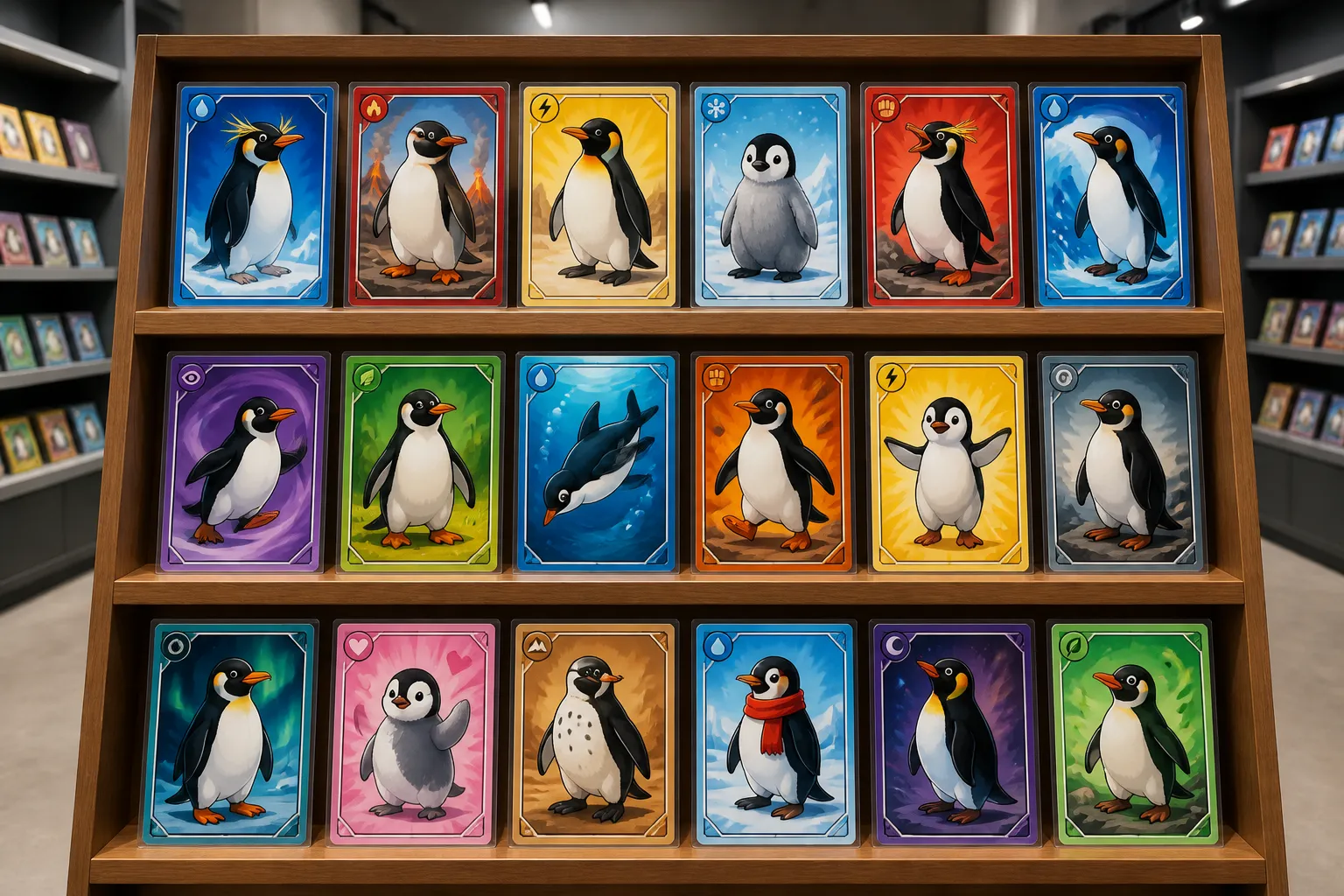
From the glow of a digital mint to the glow of a retail shelf, Pudgy Penguins has taken a bold leap into mainstream commerce. On June 18, the NFT‑born franchise rolled out its Vibes Series 3 trading‑card set to Target stores across the United States, marking the largest physical expansion of the brand to date.
The new set, comprising 15 million cards, introduces fresh gameplay mechanics, original artwork, and cameo appearances by characters from the Moonbirds collection. By embedding Moonbirds into its physical line, Pudgy Penguins is pursuing a broader strategy to weave distinct NFT brands into a single, tangible product ecosystem.
Target’s nationwide footprint places Pudgy Penguins far from the digital marketplaces where it began. Casual shoppers, families, collectors, and card‑game enthusiasts now have a low‑barrier way to encounter the franchise—many of whom may never own a blockchain asset. The rollout will therefore serve as a litmus test for whether the project’s intellectual property can resonate with mainstream consumers.
Vibes Series 3 was crafted in partnership with Orange Cap Games, following the franchise’s first two releases. The new mechanics and artwork differentiate it from earlier editions, while the Moonbirds tie‑in signals a deliberate move to cross‑brand characters in a single physical product line.
Pudgy Penguins has pursued a similar path with toys. In 2023, the brand’s merchandise appeared in more than 2,000 Walmart stores, and the company reported that over 1 million toys had been sold in the preceding 12 months. Those sales demonstrated that consumers could purchase Pudgy Penguins products without owning the underlying NFTs.
The project’s licensing model gives NFT holders a share of revenue from physical items that feature their individual penguins. According to the company, holders receive 5 % of net revenue from such items. While the model creates a potential economic link between digital ownership and retail sales, its value depends on which characters are used and how well the products perform.
Gaming has also been a key pillar of the brand’s strategy. In 2025, the team launched Pengu Clash on The Open Network, and later that year released the mobile game Pudgy Party, which reportedly surpassed 1 million downloads. The company announced that it would halt further development of Pudgy Party and redirect resources to a browser‑based game called Pudgy World, reflecting a selective approach to product development.
The Target rollout, combined with toy sales, licensing, and gaming initiatives, illustrates Pudgy Penguins’ objective of reducing reliance on NFT market cycles. By monetizing its characters through physical products and games, the brand seeks to build a sustainable revenue stream that can operate independently of speculative token prices.
At present, the success of Vibes Series 3 will determine whether the brand can sustain long‑term consumer demand in mainstream retail. The expansion also highlights the risks inherent in physical distribution, such as inventory costs, shelf‑space competition, and marketing spend. For NFT holders, the key question remains whether the retail growth can support lasting brand value beyond short‑term visibility.
The next steps for Pudgy Penguins include monitoring sales performance at Target, evaluating the impact of the licensing model on token holders, and assessing the viability of its browser‑based game. The company’s broader strategy will likely continue to blend digital and physical channels as it seeks to establish a foothold in the competitive entertainment and collectibles market.
The new set, comprising 15 million cards, introduces fresh gameplay mechanics, original artwork, and cameo appearances by characters from the Moonbirds collection. By embedding Moonbirds into its physical line, Pudgy Penguins is pursuing a broader strategy to weave distinct NFT brands into a single, tangible product ecosystem.
Target’s nationwide footprint places Pudgy Penguins far from the digital marketplaces where it began. Casual shoppers, families, collectors, and card‑game enthusiasts now have a low‑barrier way to encounter the franchise—many of whom may never own a blockchain asset. The rollout will therefore serve as a litmus test for whether the project’s intellectual property can resonate with mainstream consumers.
Vibes Series 3 was crafted in partnership with Orange Cap Games, following the franchise’s first two releases. The new mechanics and artwork differentiate it from earlier editions, while the Moonbirds tie‑in signals a deliberate move to cross‑brand characters in a single physical product line.
Pudgy Penguins has pursued a similar path with toys. In 2023, the brand’s merchandise appeared in more than 2,000 Walmart stores, and the company reported that over 1 million toys had been sold in the preceding 12 months. Those sales demonstrated that consumers could purchase Pudgy Penguins products without owning the underlying NFTs.
The project’s licensing model gives NFT holders a share of revenue from physical items that feature their individual penguins. According to the company, holders receive 5 % of net revenue from such items. While the model creates a potential economic link between digital ownership and retail sales, its value depends on which characters are used and how well the products perform.
Gaming has also been a key pillar of the brand’s strategy. In 2025, the team launched Pengu Clash on The Open Network, and later that year released the mobile game Pudgy Party, which reportedly surpassed 1 million downloads. The company announced that it would halt further development of Pudgy Party and redirect resources to a browser‑based game called Pudgy World, reflecting a selective approach to product development.
The Target rollout, combined with toy sales, licensing, and gaming initiatives, illustrates Pudgy Penguins’ objective of reducing reliance on NFT market cycles. By monetizing its characters through physical products and games, the brand seeks to build a sustainable revenue stream that can operate independently of speculative token prices.
At present, the success of Vibes Series 3 will determine whether the brand can sustain long‑term consumer demand in mainstream retail. The expansion also highlights the risks inherent in physical distribution, such as inventory costs, shelf‑space competition, and marketing spend. For NFT holders, the key question remains whether the retail growth can support lasting brand value beyond short‑term visibility.
The next steps for Pudgy Penguins include monitoring sales performance at Target, evaluating the impact of the licensing model on token holders, and assessing the viability of its browser‑based game. The company’s broader strategy will likely continue to blend digital and physical channels as it seeks to establish a foothold in the competitive entertainment and collectibles market.







