Blab Crypto
IEM Cologne Major 2026 Launches Without Crypto Sponsorships, Highlighting Shift in Esports Funding
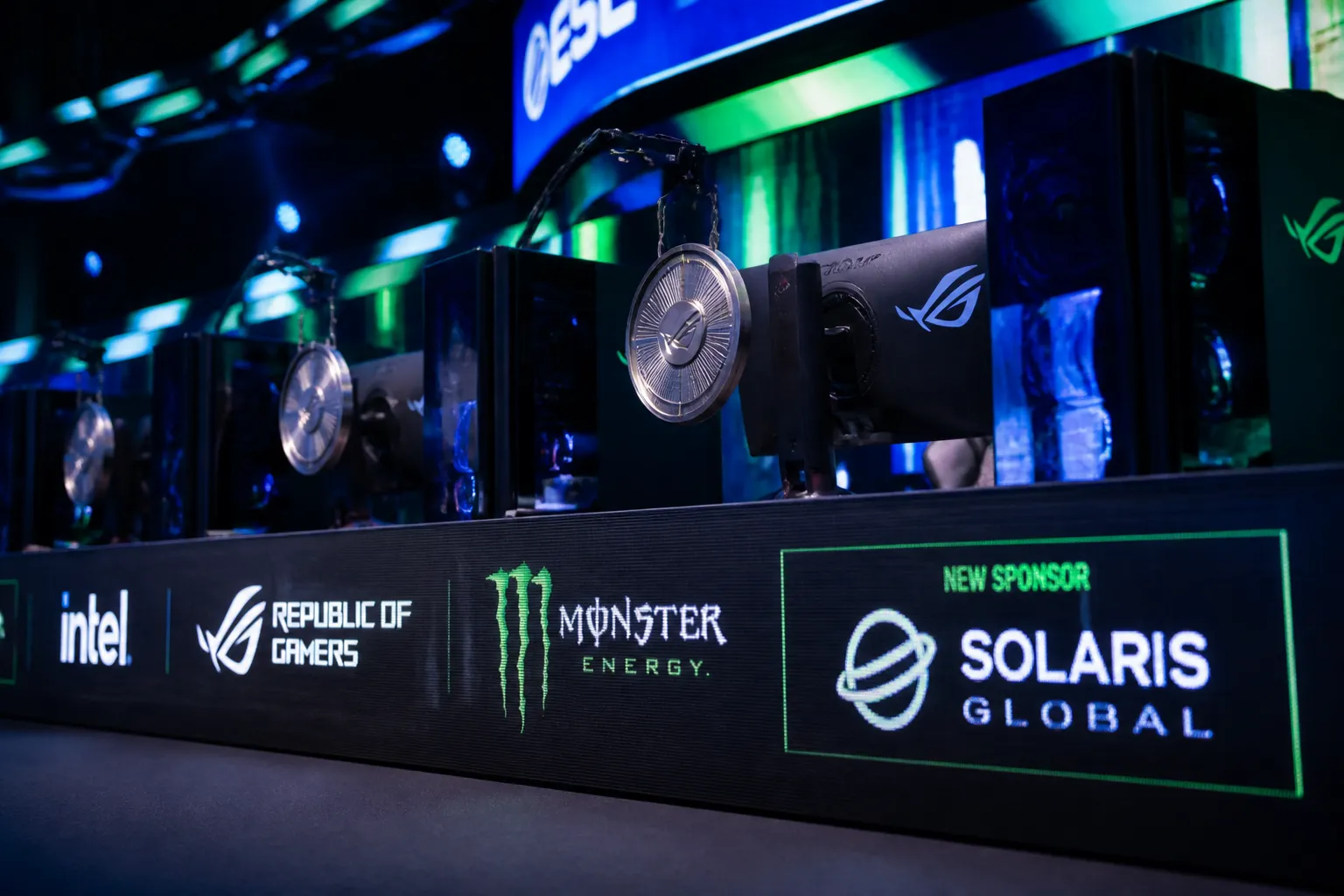
The Intel Extreme Masters (IEM) Cologne Major 2026 opened on June 2 in Cologne, Germany, marking the fifth Counter‑Strike 2 (CS 2) Major Championship. With a $1.25 million prize pool and 32 invited teams, the tournament began at the Lanxess Arena for playoffs and the Palladium for Stage 3 matches. What immediately set this event apart was the complete absence of cryptocurrency or Web3 sponsors—a first in the history of the IEM series.
Intel remains the sole title sponsor, and the event’s name continues to reflect the long‑standing partnership between the company and ESL. The IEM brand, owned by Savvy Games Group, has traditionally drawn a mix of technology, gaming, and consumer‑electronics sponsors. In recent years, crypto companies such as FTX and Crypto.com had secured naming rights, logos on jerseys, and even integrated NFT ticketing for major tournaments. Those partnerships were prominently displayed at the 2022 and 2023 Majors, where crypto branding became a key visual element of the event’s identity.
The 2026 Major’s lack of crypto involvement follows a broader trend of declining crypto sponsorship in esports. After the collapse of FTX in 2022 and the subsequent regulatory scrutiny that followed, several crypto firms pulled back from high‑profile advertising. According to reports, the IEM Cologne Major 2026 has no official tokens, no affiliated protocols, no NFT ticket integrations, and no metaverse watch‑party activations.
Competitive action has been as fierce as ever. The field includes teams that have been active in the CS 2 circuit since the game’s release in September 2023. Team Falcons, the current Major champions, entered the event as the top seed and ultimately secured their first Major title at Cologne. Other notable participants include Team Spirit, Vitality, and Natus Vincere, each fielding rosters that have been active in the CS 2 scene for the past year.
Player performance highlights have also taken center stage. Danil Kryshkovets, known online as donk, leads the MVP conversation with a tournament rating of 1.53, indicating a performance 53 % above the average. Vitality’s ZywOo follows closely with a rating of 1.51, while sh1ro of Team Spirit rounds out the top contenders at 1.34.
The prize pool distribution follows the standard Major format: the winning team receives $500,000, and the remaining $750,000 is allocated across the 32 teams based on their final placement. The structure rewards deep runs while maintaining a competitive incentive for all participants.
From an industry perspective, the absence of crypto sponsorship at a high‑profile Major signals a shift in how esports events are financed. Traditional sponsors such as Intel and other technology firms continue to support the scene, but the crypto sector’s withdrawal may influence future partnership strategies for tournament organizers. It also reflects a broader move toward more conservative marketing approaches in the wake of regulatory changes and public scrutiny.
The IEM Cologne Major 2026 concludes on June 21, with the final match determining the next Major champion. The tournament’s results will be closely watched by teams, fans, and industry observers as they assess the competitive landscape of CS 2 and the evolving sponsorship environment.
In summary, the 2026 IEM Cologne Major is a landmark event for CS 2 esports: it offers a substantial prize pool, a full roster of elite teams, and a competitive narrative, all while operating without crypto or Web3 sponsorships—a clear indicator of the current state of esports funding.
Intel remains the sole title sponsor, and the event’s name continues to reflect the long‑standing partnership between the company and ESL. The IEM brand, owned by Savvy Games Group, has traditionally drawn a mix of technology, gaming, and consumer‑electronics sponsors. In recent years, crypto companies such as FTX and Crypto.com had secured naming rights, logos on jerseys, and even integrated NFT ticketing for major tournaments. Those partnerships were prominently displayed at the 2022 and 2023 Majors, where crypto branding became a key visual element of the event’s identity.
The 2026 Major’s lack of crypto involvement follows a broader trend of declining crypto sponsorship in esports. After the collapse of FTX in 2022 and the subsequent regulatory scrutiny that followed, several crypto firms pulled back from high‑profile advertising. According to reports, the IEM Cologne Major 2026 has no official tokens, no affiliated protocols, no NFT ticket integrations, and no metaverse watch‑party activations.
Competitive action has been as fierce as ever. The field includes teams that have been active in the CS 2 circuit since the game’s release in September 2023. Team Falcons, the current Major champions, entered the event as the top seed and ultimately secured their first Major title at Cologne. Other notable participants include Team Spirit, Vitality, and Natus Vincere, each fielding rosters that have been active in the CS 2 scene for the past year.
Player performance highlights have also taken center stage. Danil Kryshkovets, known online as donk, leads the MVP conversation with a tournament rating of 1.53, indicating a performance 53 % above the average. Vitality’s ZywOo follows closely with a rating of 1.51, while sh1ro of Team Spirit rounds out the top contenders at 1.34.
The prize pool distribution follows the standard Major format: the winning team receives $500,000, and the remaining $750,000 is allocated across the 32 teams based on their final placement. The structure rewards deep runs while maintaining a competitive incentive for all participants.
From an industry perspective, the absence of crypto sponsorship at a high‑profile Major signals a shift in how esports events are financed. Traditional sponsors such as Intel and other technology firms continue to support the scene, but the crypto sector’s withdrawal may influence future partnership strategies for tournament organizers. It also reflects a broader move toward more conservative marketing approaches in the wake of regulatory changes and public scrutiny.
The IEM Cologne Major 2026 concludes on June 21, with the final match determining the next Major champion. The tournament’s results will be closely watched by teams, fans, and industry observers as they assess the competitive landscape of CS 2 and the evolving sponsorship environment.
In summary, the 2026 IEM Cologne Major is a landmark event for CS 2 esports: it offers a substantial prize pool, a full roster of elite teams, and a competitive narrative, all while operating without crypto or Web3 sponsorships—a clear indicator of the current state of esports funding.







