Blab Crypto
Perus Security Laws and Pending Crypto Bill Shape Digital Asset Landscape Ahead of 2026 Election
Peru’s largest congressional bloc, Fuerza Popular, has used its majority to pass a series of security laws that expand police powers, militarize borders and shift the prosecution of police and military personnel from civilian courts to institutional tribunals. The legislation, adopted during the 2025‑2026 legislative sessions, is part of a broader “mano dura” strategy that echoes the anti‑terrorism measures of former President Alberto Fujimori.
Keiko Fujimori, the party’s leader, secured 17.19 % of the vote in the first round of the 2026 presidential election and is the front‑runner for the runoff on 7 June. If she wins, her administration will inherit a security‑first mandate and an unresolved question about how digital assets will be regulated.
The new security laws have drawn criticism. Some observers describe the shift to institutional tribunals as a reduction in accountability for security forces. The laws also broaden the definition of extortion and organized crime, giving law‑enforcement agencies wider authority to investigate and prosecute.
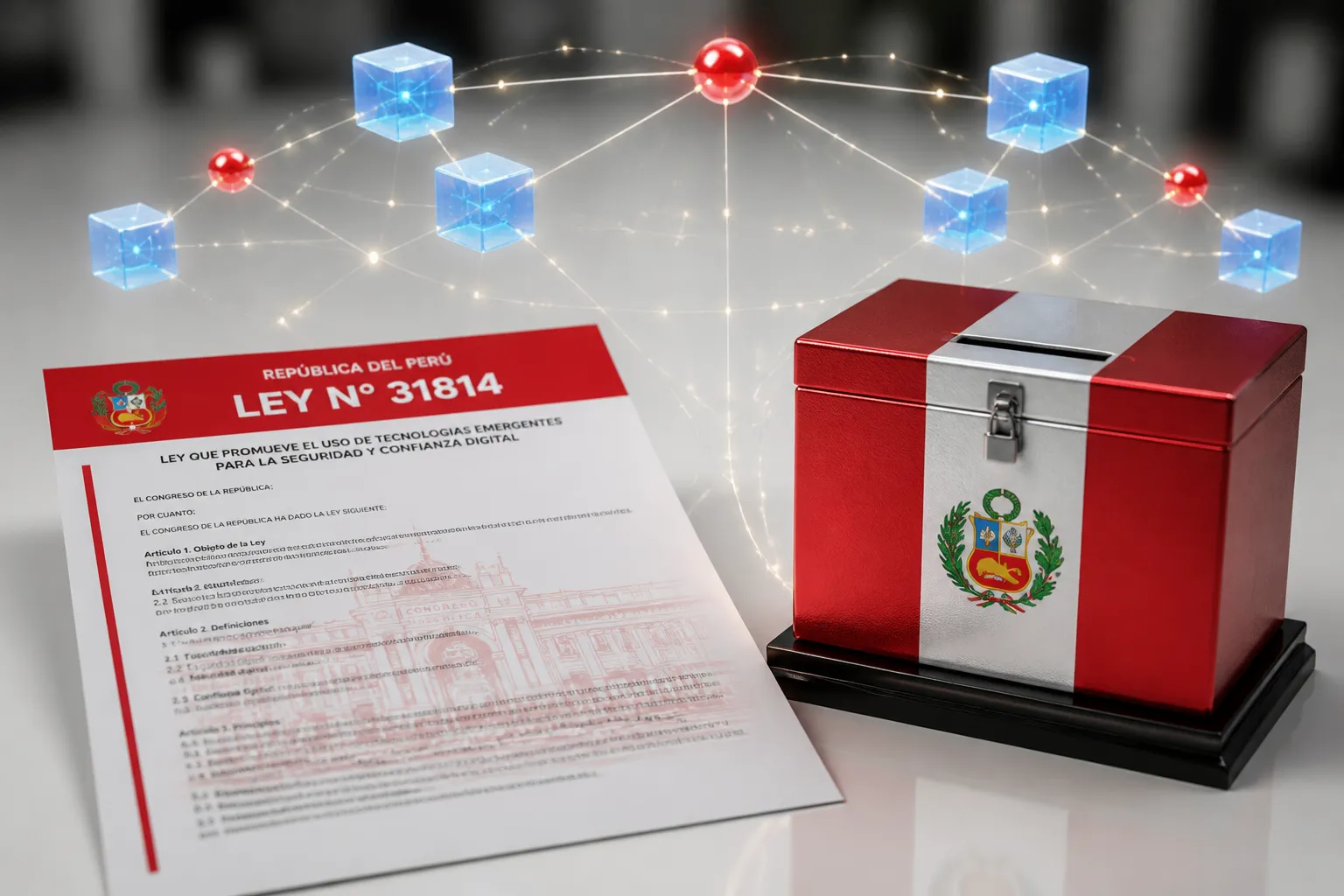
In the crypto sector, Peru’s legal framework remains undefined. A congressional bill, identified as Bill No. 1042‑2021‑CR, has been pending without resolution. The bill would establish rules for the purchase, sale and taxation of digital assets within Peru.
According to Chainalysis, Peru’s crypto transaction volume reached approximately $28 billion in 2025. The figure reflects a significant increase in activity compared with previous years and places Peru among the larger crypto markets in Latin America.
Bitcoin adoption has grown quietly in Peru’s unbanked communities. In areas where many residents lack access to conventional banking, peer‑to‑peer crypto transactions provide a practical alternative for transferring value.
The pending crypto bill offers Congress a ready‑made vehicle for action. If Fujimori’s campaign succeeds, the administration could move to adopt the legislation, potentially providing legal clarity for operators and investors. However, the form the regulation takes will determine whether the market can attract institutional participation.
The current situation is that the security laws are in force and the crypto bill remains unresolved. The next key event is the June 7 runoff, after which the new president will decide whether to pursue the pending legislation.
For operators and investors, the main uncertainty is not the arrival of regulation but the nature of the rules that will be adopted. A framework that balances legal certainty with market access could unlock additional institutional capital in a market already processing $28 billion in annual transactions.
The interplay between Peru’s security legislation and its pending crypto regulatory framework will shape the country’s digital asset ecosystem in the coming months. Stakeholders will monitor the election outcome and any subsequent legislative action closely.
In summary, Peru’s congressional majority has enacted a suite of security laws that expand law‑enforcement powers and alter the prosecution of security personnel. At the same time, a pending bill could bring regulatory clarity to the crypto market, which already processes $28 billion in transactions annually. The outcome of the June 7 runoff will determine whether these developments are consolidated under a new administration.
Keiko Fujimori, the party’s leader, secured 17.19 % of the vote in the first round of the 2026 presidential election and is the front‑runner for the runoff on 7 June. If she wins, her administration will inherit a security‑first mandate and an unresolved question about how digital assets will be regulated.
The new security laws have drawn criticism. Some observers describe the shift to institutional tribunals as a reduction in accountability for security forces. The laws also broaden the definition of extortion and organized crime, giving law‑enforcement agencies wider authority to investigate and prosecute.
In the crypto sector, Peru’s legal framework remains undefined. A congressional bill, identified as Bill No. 1042‑2021‑CR, has been pending without resolution. The bill would establish rules for the purchase, sale and taxation of digital assets within Peru.
According to Chainalysis, Peru’s crypto transaction volume reached approximately $28 billion in 2025. The figure reflects a significant increase in activity compared with previous years and places Peru among the larger crypto markets in Latin America.
Bitcoin adoption has grown quietly in Peru’s unbanked communities. In areas where many residents lack access to conventional banking, peer‑to‑peer crypto transactions provide a practical alternative for transferring value.
The pending crypto bill offers Congress a ready‑made vehicle for action. If Fujimori’s campaign succeeds, the administration could move to adopt the legislation, potentially providing legal clarity for operators and investors. However, the form the regulation takes will determine whether the market can attract institutional participation.
The current situation is that the security laws are in force and the crypto bill remains unresolved. The next key event is the June 7 runoff, after which the new president will decide whether to pursue the pending legislation.
For operators and investors, the main uncertainty is not the arrival of regulation but the nature of the rules that will be adopted. A framework that balances legal certainty with market access could unlock additional institutional capital in a market already processing $28 billion in annual transactions.
The interplay between Peru’s security legislation and its pending crypto regulatory framework will shape the country’s digital asset ecosystem in the coming months. Stakeholders will monitor the election outcome and any subsequent legislative action closely.
In summary, Peru’s congressional majority has enacted a suite of security laws that expand law‑enforcement powers and alter the prosecution of security personnel. At the same time, a pending bill could bring regulatory clarity to the crypto market, which already processes $28 billion in transactions annually. The outcome of the June 7 runoff will determine whether these developments are consolidated under a new administration.







