Blab Crypto
Pew Survey Reveals Growing Republican Lead in U.S. Cryptocurrency Adoption Amid Trumps Strategic Bitcoin Reserve
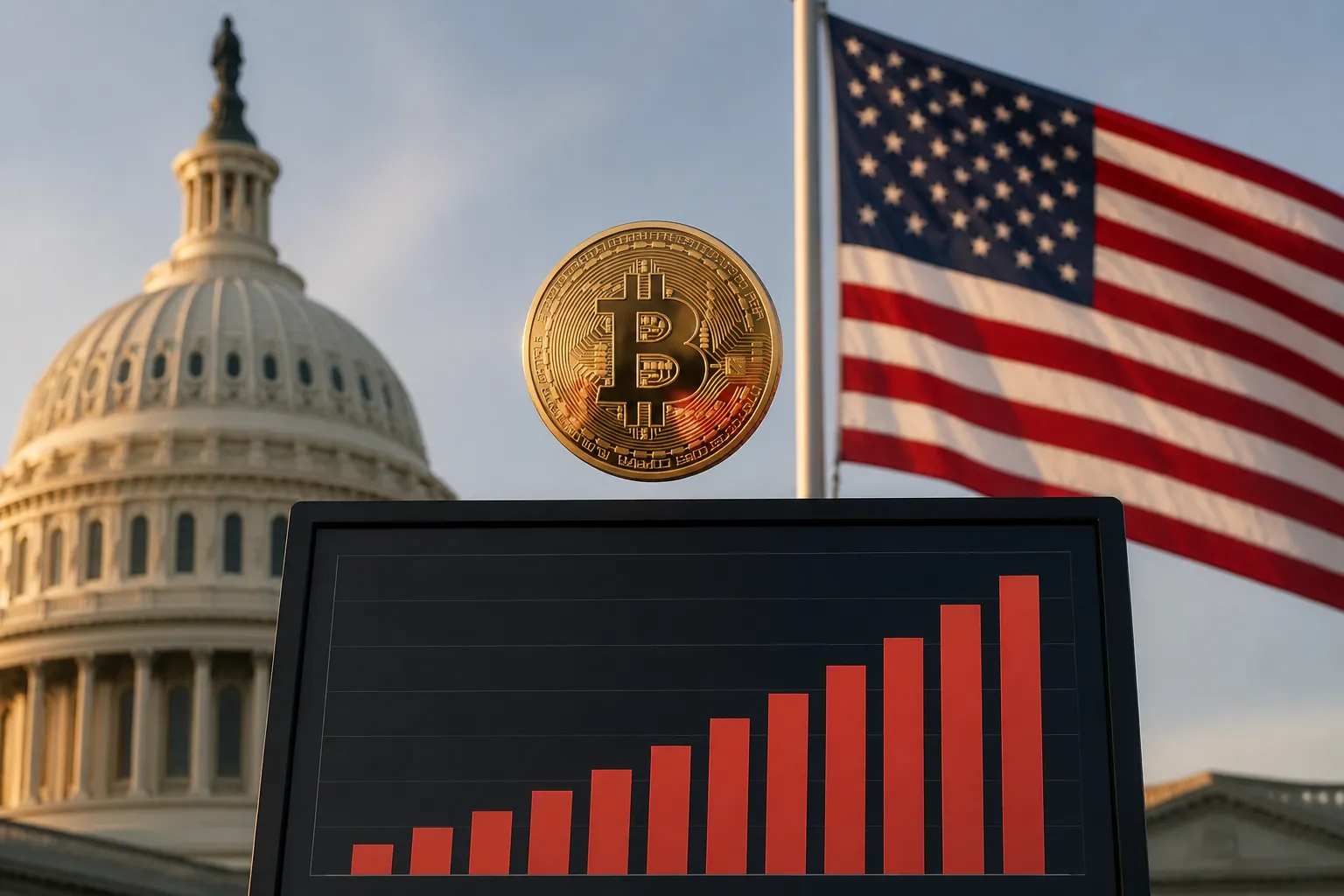
A June 2026 Pew Research Center analysis of January 2026 survey data shows a widening partisan gap in cryptocurrency participation. 22 % of respondents who identify as Republicans or lean Republican reported buying or trading crypto, compared with 17 % of Democrats or Democratic‑leaning respondents. The five‑point difference reflects a six‑point rise in Republican adoption from 16 % in 2021, while Democratic engagement remained essentially flat at 16 % to 17 %. Overall, 19 % of U.S. adults have engaged with cryptocurrency in some form, up from 16 % in Pew’s 2021 survey.
The net growth in crypto participation has come almost entirely from the Republican side. In 2021 both parties were tied at roughly 16 % of adults who had bought or traded digital assets. Since then, Republican adoption has increased by six percentage points, whereas Democratic participation has changed by only one point. The data suggest that political affiliation is now a significant predictor of crypto engagement.
Demographic analysis from the same Pew survey indicates that men aged 30‑49 lead all groups, with 40 % reporting crypto use, followed closely by men aged 18‑29 at 38 %. Upper‑income households show the highest engagement, with 27 % having used cryptocurrency. These figures point to a concentration of crypto activity among younger men and higher‑income individuals.
The partisan divide coincides with a shift in federal policy. President Donald Trump, who took office in early 2025, launched a pro‑crypto agenda that included the establishment of a Strategic Bitcoin Reserve on March 6, 2025. The reserve, funded by the Treasury’s forfeited bitcoin, is intended to position the United States as a global leader in digital assets. The initiative contrasts sharply with the previous administration’s emphasis on enforcement and regulatory skepticism toward crypto firms.
The Strategic Bitcoin Reserve holds 198,000 BTC under existing budget frameworks, according to a White House statement. The program is designed to demonstrate that taxpayers bear no direct financial burden. By anchoring government interest in Bitcoin, the reserve may influence institutional investors who view federal accumulation as a signal to increase their own allocations.
The concentration of growth among upper‑income households and younger men suggests that the benefits of crypto adoption are uneven. The Strategic Bitcoin Reserve’s focus on Bitcoin could reinforce its dominance in the market, while other digital assets may see slower uptake. Institutional investors may interpret the reserve as a legitimizing factor, potentially accelerating capital flows into Bitcoin and related infrastructure.
As of mid‑2026, the Strategic Bitcoin Reserve remains the largest known state holder of bitcoin, with estimates of 328,372 BTC held by the federal government. The program’s long‑term impact on broader crypto adoption, regulatory policy, and market dynamics is still unfolding. Other states have begun similar initiatives, but it is unclear how federal policy will shape future state‑level reserves or influence the regulatory environment.
The Pew findings underscore a clear political signal: one party embraces digital assets, while the other maintains a cautious stance. The data also highlight demographic patterns that may inform future outreach and regulatory strategies. The ongoing development of the Strategic Bitcoin Reserve, coupled with the current partisan divide, will likely continue to shape the trajectory of cryptocurrency adoption in the United States.
The net growth in crypto participation has come almost entirely from the Republican side. In 2021 both parties were tied at roughly 16 % of adults who had bought or traded digital assets. Since then, Republican adoption has increased by six percentage points, whereas Democratic participation has changed by only one point. The data suggest that political affiliation is now a significant predictor of crypto engagement.
Demographic analysis from the same Pew survey indicates that men aged 30‑49 lead all groups, with 40 % reporting crypto use, followed closely by men aged 18‑29 at 38 %. Upper‑income households show the highest engagement, with 27 % having used cryptocurrency. These figures point to a concentration of crypto activity among younger men and higher‑income individuals.
The partisan divide coincides with a shift in federal policy. President Donald Trump, who took office in early 2025, launched a pro‑crypto agenda that included the establishment of a Strategic Bitcoin Reserve on March 6, 2025. The reserve, funded by the Treasury’s forfeited bitcoin, is intended to position the United States as a global leader in digital assets. The initiative contrasts sharply with the previous administration’s emphasis on enforcement and regulatory skepticism toward crypto firms.
The Strategic Bitcoin Reserve holds 198,000 BTC under existing budget frameworks, according to a White House statement. The program is designed to demonstrate that taxpayers bear no direct financial burden. By anchoring government interest in Bitcoin, the reserve may influence institutional investors who view federal accumulation as a signal to increase their own allocations.
The concentration of growth among upper‑income households and younger men suggests that the benefits of crypto adoption are uneven. The Strategic Bitcoin Reserve’s focus on Bitcoin could reinforce its dominance in the market, while other digital assets may see slower uptake. Institutional investors may interpret the reserve as a legitimizing factor, potentially accelerating capital flows into Bitcoin and related infrastructure.
As of mid‑2026, the Strategic Bitcoin Reserve remains the largest known state holder of bitcoin, with estimates of 328,372 BTC held by the federal government. The program’s long‑term impact on broader crypto adoption, regulatory policy, and market dynamics is still unfolding. Other states have begun similar initiatives, but it is unclear how federal policy will shape future state‑level reserves or influence the regulatory environment.
The Pew findings underscore a clear political signal: one party embraces digital assets, while the other maintains a cautious stance. The data also highlight demographic patterns that may inform future outreach and regulatory strategies. The ongoing development of the Strategic Bitcoin Reserve, coupled with the current partisan divide, will likely continue to shape the trajectory of cryptocurrency adoption in the United States.