Blab Crypto
Midas Seeks Electronic Money Licence to Add Wallet and Prepaid Card to Turkeys Leading Investment App
Midas, the Turkish investment app that’s already turning heads, has filed for an electronic‑money licence, a move that could let it issue digital wallets and prepaid cards directly from its app.
Founded in 2021, Midas is the first retail platform in Turkey to offer low‑commission trading, fractional shares and access to U.S. equities. Today the service lets users trade Borsa Istanbul‑listed stocks, U.S. equities, cryptocurrencies, mutual funds and other asset classes through a single mobile interface. Its low‑cost model and mobile‑first design have attracted millions of users who seek easier access to local and international markets.
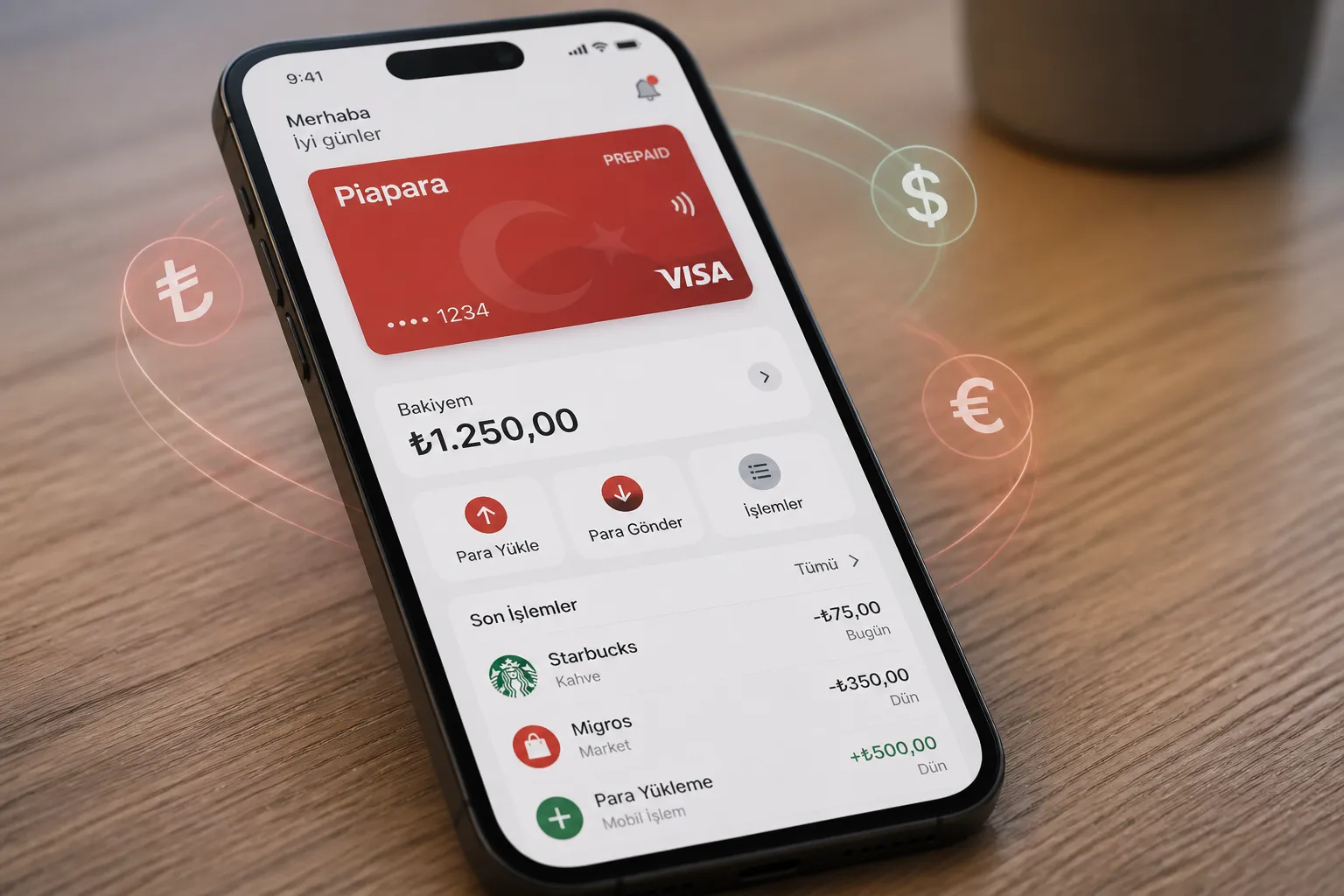
The licence application is part of a broader strategy to transform Midas from a brokerage into a full‑service financial ecosystem. If approved, the company would be able to issue electronic money, operate a digital wallet and provide a prepaid card that draws directly from users’ account balances. Founder Egem Eraslan said the new tools would "allow users to spend funds directly from balances held inside their Midas accounts, creating a closer link between investing, cash management, and everyday payments." The move is intended to increase account activity, encourage users to keep more funds on the platform and provide a new revenue stream from payment volumes, card usage and transaction‑related services.
Midas’s shift reflects a broader trend among retail investment apps worldwide, which are adding cards, wallets, savings features and payment infrastructure to retain balances and reduce reliance on trading activity alone. For Midas, the expansion would broaden its role in users’ financial lives, turning the app into a daily spending and money‑movement tool rather than a platform used mainly for portfolio rebalancing.
Securing an electronic money institution licence requires approval from the Central Bank of the Republic of Turkey. The approval process includes stringent requirements around customer fund protection, operational resilience, compliance systems and safe handling of payment activity. Regulatory approval remains pending, meaning the product expansion is not yet guaranteed. The licence would also subject Midas to heavier regulatory and operational obligations, including stronger controls around safeguarding, fraud prevention and transaction monitoring.
Turkey’s fintech sector is expanding rapidly, with about 200 fintech companies operating in a market estimated at US$15 billion and growing at a 14 % annual rate, according to a Deloitte report. Midas has strengthened its position through several funding rounds, including a 2025 fundraise that was reported as a record for Turkey’s fintech sector. Total investment in the company has exceeded US$100 million, supporting product development, infrastructure and expansion into new financial services. If the licence is granted, Midas would compete more directly with banks, e‑money institutions, card providers and digital wallet operators.
The company’s roadmap for 2026 also includes advanced trading tools and expanded market access, indicating a strategy built around both investment depth and everyday financial utility. The next stage will depend on whether Midas can secure regulatory approval and successfully integrate payments while maintaining the simplicity that helped it grow.
In summary, Midas’s application for an electronic money institution licence marks a significant step toward a bundled financial service model in Turkey. The outcome will determine whether the platform can deepen user engagement through payments, diversify revenue streams and compete with traditional banks and other fintech challengers.
Founded in 2021, Midas is the first retail platform in Turkey to offer low‑commission trading, fractional shares and access to U.S. equities. Today the service lets users trade Borsa Istanbul‑listed stocks, U.S. equities, cryptocurrencies, mutual funds and other asset classes through a single mobile interface. Its low‑cost model and mobile‑first design have attracted millions of users who seek easier access to local and international markets.
The licence application is part of a broader strategy to transform Midas from a brokerage into a full‑service financial ecosystem. If approved, the company would be able to issue electronic money, operate a digital wallet and provide a prepaid card that draws directly from users’ account balances. Founder Egem Eraslan said the new tools would "allow users to spend funds directly from balances held inside their Midas accounts, creating a closer link between investing, cash management, and everyday payments." The move is intended to increase account activity, encourage users to keep more funds on the platform and provide a new revenue stream from payment volumes, card usage and transaction‑related services.
Midas’s shift reflects a broader trend among retail investment apps worldwide, which are adding cards, wallets, savings features and payment infrastructure to retain balances and reduce reliance on trading activity alone. For Midas, the expansion would broaden its role in users’ financial lives, turning the app into a daily spending and money‑movement tool rather than a platform used mainly for portfolio rebalancing.
Securing an electronic money institution licence requires approval from the Central Bank of the Republic of Turkey. The approval process includes stringent requirements around customer fund protection, operational resilience, compliance systems and safe handling of payment activity. Regulatory approval remains pending, meaning the product expansion is not yet guaranteed. The licence would also subject Midas to heavier regulatory and operational obligations, including stronger controls around safeguarding, fraud prevention and transaction monitoring.
Turkey’s fintech sector is expanding rapidly, with about 200 fintech companies operating in a market estimated at US$15 billion and growing at a 14 % annual rate, according to a Deloitte report. Midas has strengthened its position through several funding rounds, including a 2025 fundraise that was reported as a record for Turkey’s fintech sector. Total investment in the company has exceeded US$100 million, supporting product development, infrastructure and expansion into new financial services. If the licence is granted, Midas would compete more directly with banks, e‑money institutions, card providers and digital wallet operators.
The company’s roadmap for 2026 also includes advanced trading tools and expanded market access, indicating a strategy built around both investment depth and everyday financial utility. The next stage will depend on whether Midas can secure regulatory approval and successfully integrate payments while maintaining the simplicity that helped it grow.
In summary, Midas’s application for an electronic money institution licence marks a significant step toward a bundled financial service model in Turkey. The outcome will determine whether the platform can deepen user engagement through payments, diversify revenue streams and compete with traditional banks and other fintech challengers.







