Blab Crypto
Nigel Farage Opposes Bank of Englands Digital Pound, Turning Technical Debate into Political Battle
Nigel Farage, the long‑time Eurosceptic who now heads Reform UK, has turned his anti‑cottage‑industry stance into a crusade against the Bank of England’s digital pound. In a series of interviews, the former Conservative MP has said he would be willing to serve a prison sentence to stop the rollout of the central bank digital currency, commonly dubbed Britcoin.
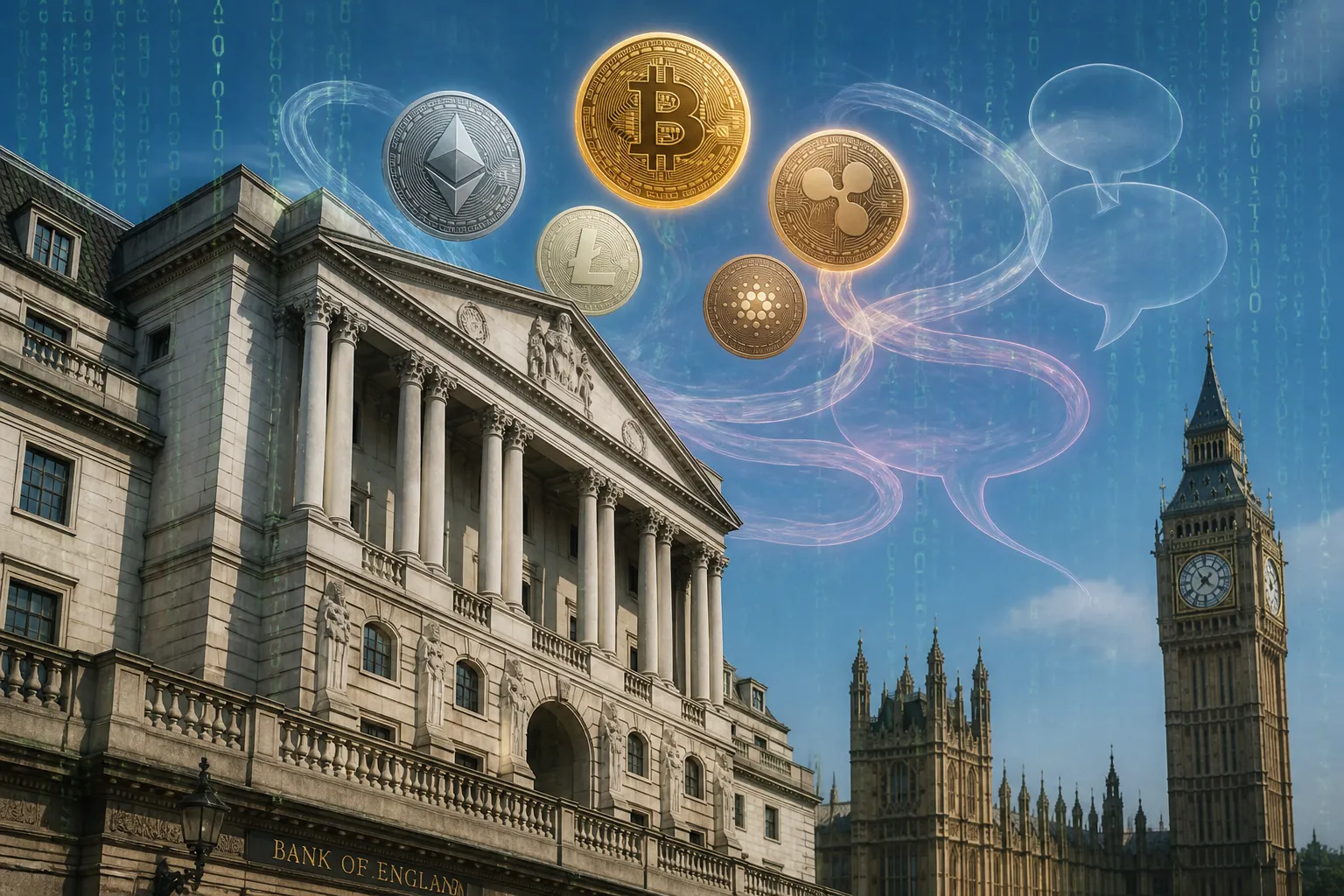
The digital pound is a central bank digital currency (CBDC) that would be issued by the Bank of England and backed by the UK government. It is designed to coexist with, rather than replace, physical cash, carrying the same value as a paper pound. The Bank announced a public consultation in February 2023 and, in January 2025, launched the Digital Pound Lab, a sandbox for testing applications and business models.
Farage’s objections center on the threat of state surveillance and the erosion of individual liberty. He argues that a digital sterling would enable governments to track every transaction, and that programmable money could be used to impose limits on free spending. According to reports, his stance reflects a broader libertarian philosophy that prefers private money over state‑issued currency.
Reform UK’s policy platform, meanwhile, champions a global crypto hub, a strategic bitcoin reserve, and a regulatory environment that encourages innovation rather than banning digital assets. Critics point out that several of Farage’s largest donors come from the crypto industry. Christopher Harborne, a major contributor to Reform UK, and Ben Delo, co‑founder of the cryptocurrency exchange BitMEX, have both provided substantial financial support. Farage has dismissed any suggestion that these donations influence his policy positions.
The Bank of England maintains that a digital pound would preserve monetary sovereignty in an increasingly digital economy. In a statement released during the consultation, the Bank said it would not seek to control how people use the currency, although it did not rule out the possibility of analysing transaction data. The Bank’s chief, Andrew Bailey, has repeatedly said that the digital pound would be programmable by users, not by the state.
The debate has moved from technical questions about payment architecture to ideological battles over state power and individual freedom. Farage’s rhetoric echoes that of former U.S. President Donald Trump, who has promoted a crypto‑friendly agenda and has been described as a “crypto‑globalist.” The comparison has drawn attention to the growing intersection of politics and digital finance.
Globally, other jurisdictions are pursuing similar initiatives. China has launched a digital yuan, the European Union is working on a digital euro, and the United States is focusing on regulating stablecoins rather than creating a federal reserve digital currency. Private sector players, including Visa, Mastercard, JPMorgan, and various fintech firms, are also experimenting with tokenised assets and programmable money.
The current landscape suggests that multiple forms of money will coexist. Central bank money, commercial bank deposits, stablecoins, and tokenised deposits are all part of the evolving payment ecosystem. According to analysts, the real contest is not between bitcoin and Britcoin but over the ownership of the infrastructure that will support future money.
As the Bank of England moves forward with the design phase, the political pressure from figures like Farage remains a significant factor. The outcome will shape how the UK balances innovation, privacy, and state control in its monetary system.
The debate over the digital pound is a modern reflection of age‑old questions about the relationship between citizens, markets, and the state. Whether the UK ultimately adopts a CBDC or continues to rely on existing payment systems, the conversation will influence regulatory approaches, technological development, and public trust in digital money.
The digital pound is a central bank digital currency (CBDC) that would be issued by the Bank of England and backed by the UK government. It is designed to coexist with, rather than replace, physical cash, carrying the same value as a paper pound. The Bank announced a public consultation in February 2023 and, in January 2025, launched the Digital Pound Lab, a sandbox for testing applications and business models.
Farage’s objections center on the threat of state surveillance and the erosion of individual liberty. He argues that a digital sterling would enable governments to track every transaction, and that programmable money could be used to impose limits on free spending. According to reports, his stance reflects a broader libertarian philosophy that prefers private money over state‑issued currency.
Reform UK’s policy platform, meanwhile, champions a global crypto hub, a strategic bitcoin reserve, and a regulatory environment that encourages innovation rather than banning digital assets. Critics point out that several of Farage’s largest donors come from the crypto industry. Christopher Harborne, a major contributor to Reform UK, and Ben Delo, co‑founder of the cryptocurrency exchange BitMEX, have both provided substantial financial support. Farage has dismissed any suggestion that these donations influence his policy positions.
The Bank of England maintains that a digital pound would preserve monetary sovereignty in an increasingly digital economy. In a statement released during the consultation, the Bank said it would not seek to control how people use the currency, although it did not rule out the possibility of analysing transaction data. The Bank’s chief, Andrew Bailey, has repeatedly said that the digital pound would be programmable by users, not by the state.
The debate has moved from technical questions about payment architecture to ideological battles over state power and individual freedom. Farage’s rhetoric echoes that of former U.S. President Donald Trump, who has promoted a crypto‑friendly agenda and has been described as a “crypto‑globalist.” The comparison has drawn attention to the growing intersection of politics and digital finance.
Globally, other jurisdictions are pursuing similar initiatives. China has launched a digital yuan, the European Union is working on a digital euro, and the United States is focusing on regulating stablecoins rather than creating a federal reserve digital currency. Private sector players, including Visa, Mastercard, JPMorgan, and various fintech firms, are also experimenting with tokenised assets and programmable money.
The current landscape suggests that multiple forms of money will coexist. Central bank money, commercial bank deposits, stablecoins, and tokenised deposits are all part of the evolving payment ecosystem. According to analysts, the real contest is not between bitcoin and Britcoin but over the ownership of the infrastructure that will support future money.
As the Bank of England moves forward with the design phase, the political pressure from figures like Farage remains a significant factor. The outcome will shape how the UK balances innovation, privacy, and state control in its monetary system.
The debate over the digital pound is a modern reflection of age‑old questions about the relationship between citizens, markets, and the state. Whether the UK ultimately adopts a CBDC or continues to rely on existing payment systems, the conversation will influence regulatory approaches, technological development, and public trust in digital money.