Blab Crypto
Securitize Files Delaware Patent Infringement Lawsuit Against tZERO Over Tokenization Technology
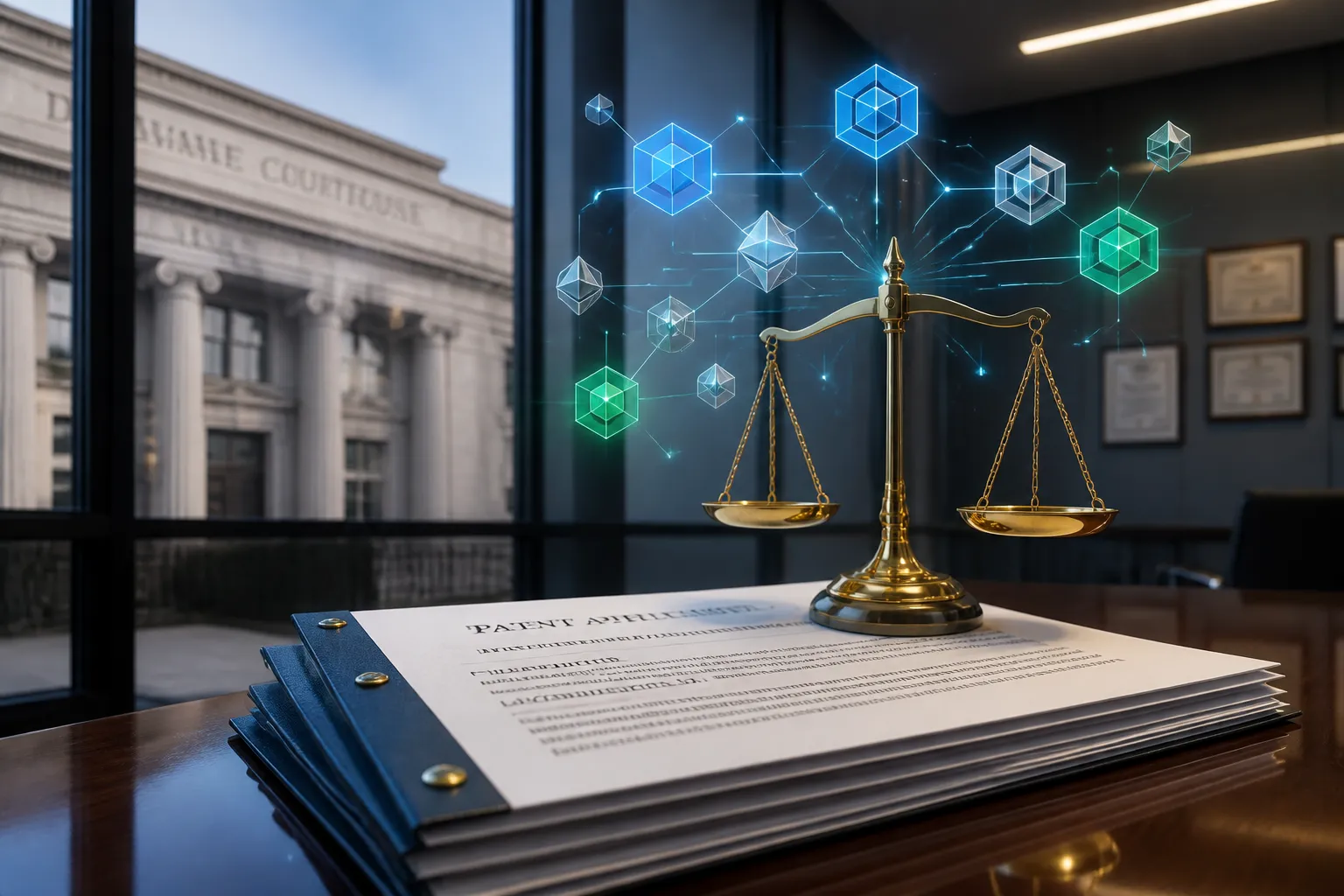
When a cease‑and‑desist letter lands on a company’s desk, the stakes can skyrocket. That’s exactly what happened to Securitize on Monday, when the real‑world asset tokenization platform filed a federal complaint in the U.S. District Court for the District of Delaware.
Securitize is asking the court to declare that its DS Protocol and Vault Registrar products do not infringe on two patents owned by tZERO, a digital‑securities infrastructure firm. In addition, the lawsuit seeks an injunction that bars tZERO from asserting those patents against Securitize.
The dispute began when tZERO sent a letter demanding that Securitize halt the commercialization of the DS Protocol and Vault Registrar by June 18, or face injunctive relief and monetary damages. tZERO alleged that the products infringed its patents covering self‑enforcing security tokens and crypto‑integration infrastructure. Securitize rebutted the claim, pointing out that its products lack the trade‑execution and transaction‑signing functions that are central to the patents.
In its filing, Securitize argued that the patents do not cover the core elements of its infrastructure. It also suggested that tZERO’s actions were driven by shareholder pressure to monetize intellectual property rather than a genuine infringement concern. “tZERO’s allegations are without merit and run counter to the spirit of fair play that defines our industry at its best,” Securitize said in a statement posted to X. “We will vigorously defend ourselves against these and any other meritless claims.”
Beyond the legal wrangling, the case underscores a new risk layer for tokenization platforms. As real‑world asset tokenization gains traction among asset managers, broker‑dealers, and blockchain infrastructure providers, patent disputes can influence product deployment, platform integrations, and institutional confidence. By filing the lawsuit, Securitize gains control over venue, timing, and the framing of the dispute.
Industry observers note that the lawsuit arrives at a pivotal moment. Tokenized securities and real‑world assets are moving from pilot projects toward more formal market infrastructure. Banks, funds, and transfer agents are testing models for tokenized treasuries, private credit, equities, and fund interests. In this environment, legal certainty around infrastructure is increasingly vital.
For exchanges and digital‑securities platforms, the lawsuit may prompt a reassessment of technology partners and product architecture. If patent enforcement becomes more active, firms may need to scrutinize registry tools, compliance modules, smart‑contract standards, and transfer systems for potential infringement exposure.
Institutional investors are likely to weigh a platform’s legal resilience, intellectual‑property position, and ability to keep products live during disputes as part of due diligence. The immediate impact is not on tokenized asset demand but on operational risk.
The dispute also illustrates a shift in competition within tokenization. The sector is no longer fighting solely for regulatory approvals and market adoption; it is also engaging in legal contests over who controls the infrastructure layer. A court decision could set a precedent for how aggressively digital‑securities firms can use patents to challenge rivals as the market expands.
At present, the lawsuit remains pending. Securitize seeks a declaratory judgment of non‑infringement and an injunction, while tZERO has not yet filed a counter‑claim. The outcome will be closely watched by firms building the rails for regulated digital securities, as well as by investors and regulators who rely on clear, enforceable intellectual‑property frameworks.
Ultimately, as the tokenization ecosystem matures, intellectual‑property disputes may become as significant as licensing, custody, settlement, and compliance issues. The legal resolution will likely shape future product development, partnership decisions, and the broader trajectory of regulated digital‑security infrastructure.
Securitize is asking the court to declare that its DS Protocol and Vault Registrar products do not infringe on two patents owned by tZERO, a digital‑securities infrastructure firm. In addition, the lawsuit seeks an injunction that bars tZERO from asserting those patents against Securitize.
The dispute began when tZERO sent a letter demanding that Securitize halt the commercialization of the DS Protocol and Vault Registrar by June 18, or face injunctive relief and monetary damages. tZERO alleged that the products infringed its patents covering self‑enforcing security tokens and crypto‑integration infrastructure. Securitize rebutted the claim, pointing out that its products lack the trade‑execution and transaction‑signing functions that are central to the patents.
In its filing, Securitize argued that the patents do not cover the core elements of its infrastructure. It also suggested that tZERO’s actions were driven by shareholder pressure to monetize intellectual property rather than a genuine infringement concern. “tZERO’s allegations are without merit and run counter to the spirit of fair play that defines our industry at its best,” Securitize said in a statement posted to X. “We will vigorously defend ourselves against these and any other meritless claims.”
Beyond the legal wrangling, the case underscores a new risk layer for tokenization platforms. As real‑world asset tokenization gains traction among asset managers, broker‑dealers, and blockchain infrastructure providers, patent disputes can influence product deployment, platform integrations, and institutional confidence. By filing the lawsuit, Securitize gains control over venue, timing, and the framing of the dispute.
Industry observers note that the lawsuit arrives at a pivotal moment. Tokenized securities and real‑world assets are moving from pilot projects toward more formal market infrastructure. Banks, funds, and transfer agents are testing models for tokenized treasuries, private credit, equities, and fund interests. In this environment, legal certainty around infrastructure is increasingly vital.
For exchanges and digital‑securities platforms, the lawsuit may prompt a reassessment of technology partners and product architecture. If patent enforcement becomes more active, firms may need to scrutinize registry tools, compliance modules, smart‑contract standards, and transfer systems for potential infringement exposure.
Institutional investors are likely to weigh a platform’s legal resilience, intellectual‑property position, and ability to keep products live during disputes as part of due diligence. The immediate impact is not on tokenized asset demand but on operational risk.
The dispute also illustrates a shift in competition within tokenization. The sector is no longer fighting solely for regulatory approvals and market adoption; it is also engaging in legal contests over who controls the infrastructure layer. A court decision could set a precedent for how aggressively digital‑securities firms can use patents to challenge rivals as the market expands.
At present, the lawsuit remains pending. Securitize seeks a declaratory judgment of non‑infringement and an injunction, while tZERO has not yet filed a counter‑claim. The outcome will be closely watched by firms building the rails for regulated digital securities, as well as by investors and regulators who rely on clear, enforceable intellectual‑property frameworks.
Ultimately, as the tokenization ecosystem matures, intellectual‑property disputes may become as significant as licensing, custody, settlement, and compliance issues. The legal resolution will likely shape future product development, partnership decisions, and the broader trajectory of regulated digital‑security infrastructure.