Blab Crypto
AUR Middletown LLC Plans 25-Megawatt AI Data Center After Bitcoin Mine Review
On Tuesday morning, AUR Middletown LLC—operator of a bitcoin mining site east of Big River Resources along Highway 34 in Des Moines County—sat down with the county’s Board of Supervisors for an extended session. The focus was clear: the company’s future plans and the regulatory landscape that could shape them.
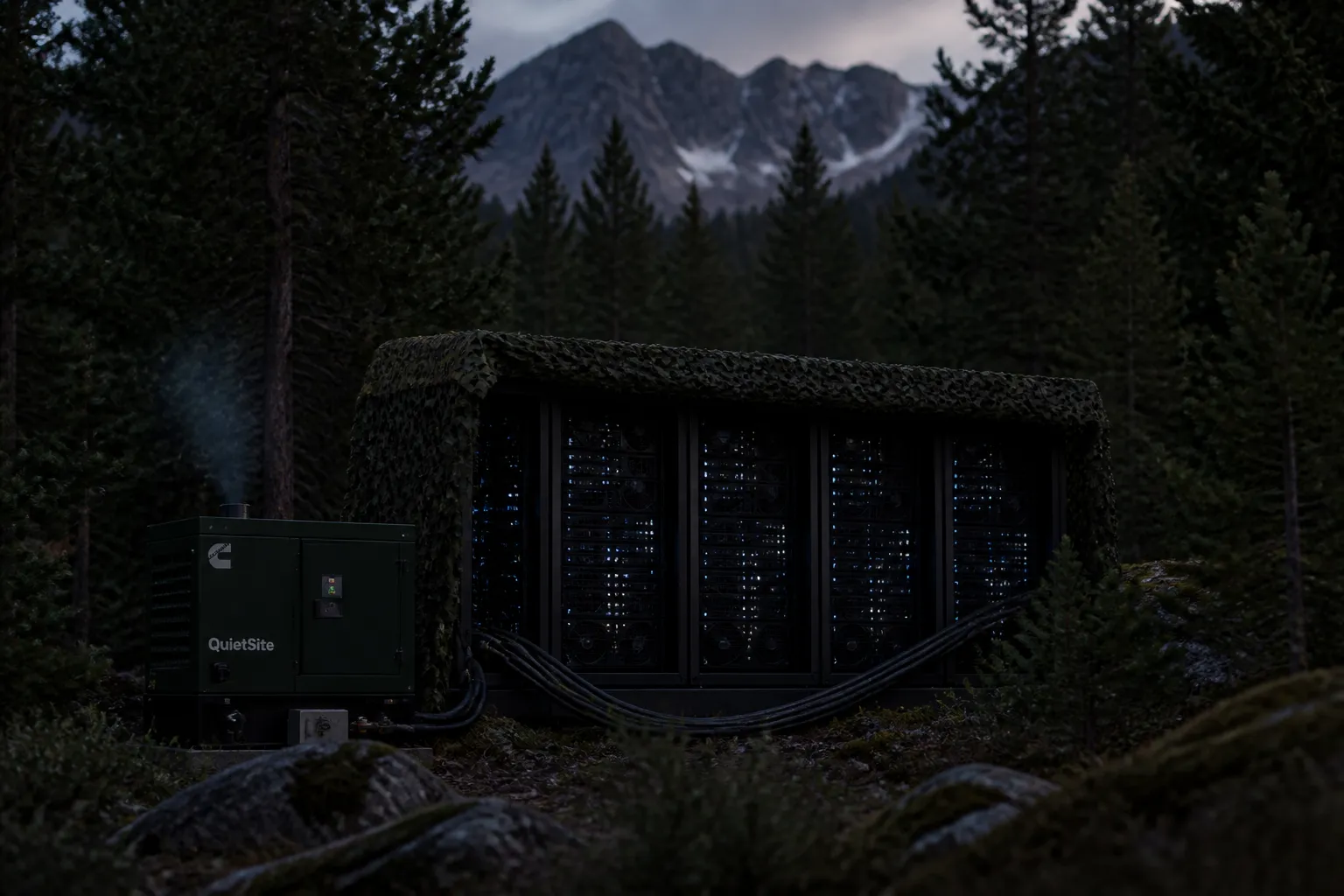
President John Paul Baric opened the discussion by framing the current mine as merely the first chapter of a broader strategy. He warned that the mine’s presence could prompt the board to consider ordinances that would regulate the industry, and he described the company’s vision as modular, micro‑facility‑centric—a stark contrast to the large‑scale data centers that have historically dominated the sector.
Baric then presented a concrete proposal: a 25‑megawatt artificial‑intelligence (AI) data center to complement the existing mining operation. He said the facility is slated to be operational by March 2027, noting that clients are demanding rapid deployment and that AUR Middletown is positioning itself to meet that need.
A significant portion of the meeting addressed the practicalities of water and electricity consumption. Bitcoin mining requires substantial cooling capacity, and the AI data center would similarly demand high power and water usage. Baric emphasized that expansion hinges on the utilities’ ability to provide sufficient capacity. Eastern Iowa Light and Electric Cooperative supplies electricity to the site, while the Rathbun Rural Water Association provides water.
The president underscored the company’s commitment to responsible growth: "They aren’t going to do anything that isn’t in the best interest of existing customers," Baric said, stressing that AUR Middletown will expand only after utilities confirm capacity and that the company will adhere to written service terms and tariff protections that safeguard current customers.
Regulatory prospects were also on the table. Baric acknowledged that the county could impose ordinances to regulate the industry, and he said the company is closely monitoring local policy discussions. He suggested that the modular, micro‑facility approach could align with community interests, potentially easing regulatory hurdles.
The dialogue reflects broader trends in both the crypto and AI arenas. Bitcoin mining has long faced criticism for its high energy consumption, prompting a search for greener solutions. Meanwhile, AI workloads are driving demand for new data centers that often require significant power and cooling.
The Hawk Eye’s Wednesday, June 24 edition will provide additional details on the county’s response to the proposals and any forthcoming regulatory actions. The meeting’s outcomes could set a precedent for how Des Moines County manages the intersection of cryptocurrency mining, AI infrastructure, and community resources.
In short, AUR Middletown LLC is poised to expand from a bitcoin mine to a 25‑megawatt AI data center by March 2027. The company’s growth will depend on utility capacity, adherence to tariff protections, and potential county ordinances that could regulate the industry. The result of Tuesday’s meeting will shape both the company’s next steps and the county’s regulatory framework for high‑energy‑intensive projects.
President John Paul Baric opened the discussion by framing the current mine as merely the first chapter of a broader strategy. He warned that the mine’s presence could prompt the board to consider ordinances that would regulate the industry, and he described the company’s vision as modular, micro‑facility‑centric—a stark contrast to the large‑scale data centers that have historically dominated the sector.
Baric then presented a concrete proposal: a 25‑megawatt artificial‑intelligence (AI) data center to complement the existing mining operation. He said the facility is slated to be operational by March 2027, noting that clients are demanding rapid deployment and that AUR Middletown is positioning itself to meet that need.
A significant portion of the meeting addressed the practicalities of water and electricity consumption. Bitcoin mining requires substantial cooling capacity, and the AI data center would similarly demand high power and water usage. Baric emphasized that expansion hinges on the utilities’ ability to provide sufficient capacity. Eastern Iowa Light and Electric Cooperative supplies electricity to the site, while the Rathbun Rural Water Association provides water.
The president underscored the company’s commitment to responsible growth: "They aren’t going to do anything that isn’t in the best interest of existing customers," Baric said, stressing that AUR Middletown will expand only after utilities confirm capacity and that the company will adhere to written service terms and tariff protections that safeguard current customers.
Regulatory prospects were also on the table. Baric acknowledged that the county could impose ordinances to regulate the industry, and he said the company is closely monitoring local policy discussions. He suggested that the modular, micro‑facility approach could align with community interests, potentially easing regulatory hurdles.
The dialogue reflects broader trends in both the crypto and AI arenas. Bitcoin mining has long faced criticism for its high energy consumption, prompting a search for greener solutions. Meanwhile, AI workloads are driving demand for new data centers that often require significant power and cooling.
The Hawk Eye’s Wednesday, June 24 edition will provide additional details on the county’s response to the proposals and any forthcoming regulatory actions. The meeting’s outcomes could set a precedent for how Des Moines County manages the intersection of cryptocurrency mining, AI infrastructure, and community resources.
In short, AUR Middletown LLC is poised to expand from a bitcoin mine to a 25‑megawatt AI data center by March 2027. The company’s growth will depend on utility capacity, adherence to tariff protections, and potential county ordinances that could regulate the industry. The result of Tuesday’s meeting will shape both the company’s next steps and the county’s regulatory framework for high‑energy‑intensive projects.