Blab Crypto
Kraken and Avalanche Power 2026 World Cups Blockchain-Backed Ticketing and Fan Engagement
Lionel Messi’s record‑breaking brace against Austria on 22 June 2026 stole the headlines, but behind the roaring crowds and tactical drama a quieter, technology‑driven story unfolded. With the tournament’s expansion to 48 teams and 16 host venues, the demand for tickets, fans and logistical coordination grew exponentially. Crypto firms answered by weaving blockchain infrastructure into the event’s operational fabric.
On 9 June 2026, the U.S.‑based cryptocurrency exchange Kraken announced it would serve as the Official Crypto Exchange Supporter for the World Cup. In a press release, the company outlined a partnership aimed at raising awareness of crypto assets and driving adoption among football fans across North America and Europe. Throughout the tournament, Kraken ran ticket giveaways and fan‑engagement campaigns, positioning itself before a global audience measured in the billions.
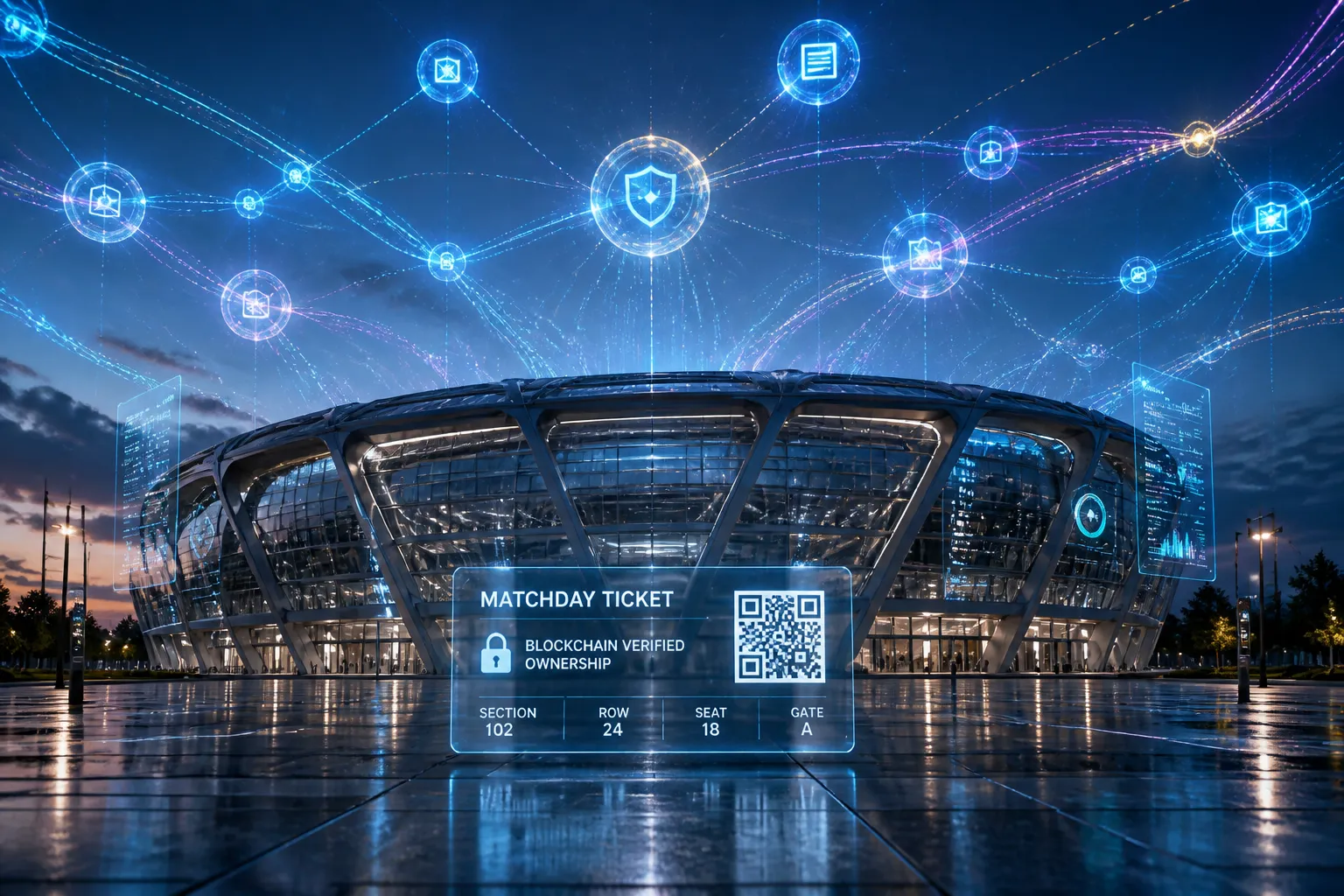
FIFA’s digital collectibles platform, FIFA Collect, is built on the Avalanche blockchain. The ticketing component issues tickets as blockchain‑verified digital assets, allowing FIFA Collect to track ownership, prevent counterfeiting, and create a more transparent resale market. This move directly tackles the scalping and fraud that have plagued major sporting events for decades. The decision to migrate to Avalanche was announced in a June 2025 blog post by the platform’s developers, who highlighted the layer‑1 network’s speed and low‑latency characteristics.
Matchday 12, held on 22 June, featured Argentina’s 2‑0 win over Austria, France vs. Iraq, Norway vs. Senegal, and Jordan vs. Algeria. On‑chain analytics show that digital collectibles and fan token trading volume increased steadily throughout the tournament, although no new token launches were tied to on‑field events.
Kraken’s visibility play could translate into measurable user growth, especially if the exchange releases post‑tournament acquisition data. Avalanche’s role in FIFA Collect positions it as a go‑to chain for enterprise‑grade ticketing and collectibles. Fan token trading volume tends to spike during tournaments and then crater afterward, meaning anyone buying into tournament‑driven momentum needs an exit strategy before the final whistle blows in mid‑July.
The broader shift in sports sponsorship deals in crypto is moving away from branding‑heavy partnerships, such as the former FTX stadium naming rights. Kraken’s World Cup partnership and FIFA’s Avalanche integration represent a more functional model: technology that directly addresses ticket fraud and fan engagement rather than pure branding.
In summary, the 2026 World Cup has demonstrated how blockchain can be woven into the operational backbone of a global sporting event. Kraken’s fan‑centric activations and Avalanche’s ticket‑verification system provide concrete solutions to long‑standing challenges in ticketing and fan engagement. While the tournament’s on‑field drama continues, the crypto‑enabled infrastructure is already shaping the future of sports‑related digital assets.
On 9 June 2026, the U.S.‑based cryptocurrency exchange Kraken announced it would serve as the Official Crypto Exchange Supporter for the World Cup. In a press release, the company outlined a partnership aimed at raising awareness of crypto assets and driving adoption among football fans across North America and Europe. Throughout the tournament, Kraken ran ticket giveaways and fan‑engagement campaigns, positioning itself before a global audience measured in the billions.
FIFA’s digital collectibles platform, FIFA Collect, is built on the Avalanche blockchain. The ticketing component issues tickets as blockchain‑verified digital assets, allowing FIFA Collect to track ownership, prevent counterfeiting, and create a more transparent resale market. This move directly tackles the scalping and fraud that have plagued major sporting events for decades. The decision to migrate to Avalanche was announced in a June 2025 blog post by the platform’s developers, who highlighted the layer‑1 network’s speed and low‑latency characteristics.
Matchday 12, held on 22 June, featured Argentina’s 2‑0 win over Austria, France vs. Iraq, Norway vs. Senegal, and Jordan vs. Algeria. On‑chain analytics show that digital collectibles and fan token trading volume increased steadily throughout the tournament, although no new token launches were tied to on‑field events.
Kraken’s visibility play could translate into measurable user growth, especially if the exchange releases post‑tournament acquisition data. Avalanche’s role in FIFA Collect positions it as a go‑to chain for enterprise‑grade ticketing and collectibles. Fan token trading volume tends to spike during tournaments and then crater afterward, meaning anyone buying into tournament‑driven momentum needs an exit strategy before the final whistle blows in mid‑July.
The broader shift in sports sponsorship deals in crypto is moving away from branding‑heavy partnerships, such as the former FTX stadium naming rights. Kraken’s World Cup partnership and FIFA’s Avalanche integration represent a more functional model: technology that directly addresses ticket fraud and fan engagement rather than pure branding.
In summary, the 2026 World Cup has demonstrated how blockchain can be woven into the operational backbone of a global sporting event. Kraken’s fan‑centric activations and Avalanche’s ticket‑verification system provide concrete solutions to long‑standing challenges in ticketing and fan engagement. While the tournament’s on‑field drama continues, the crypto‑enabled infrastructure is already shaping the future of sports‑related digital assets.







