Blab Crypto
KuCoin Launches KuCard on Mastercard Network in Australia, Expanding Everyday Crypto Payments
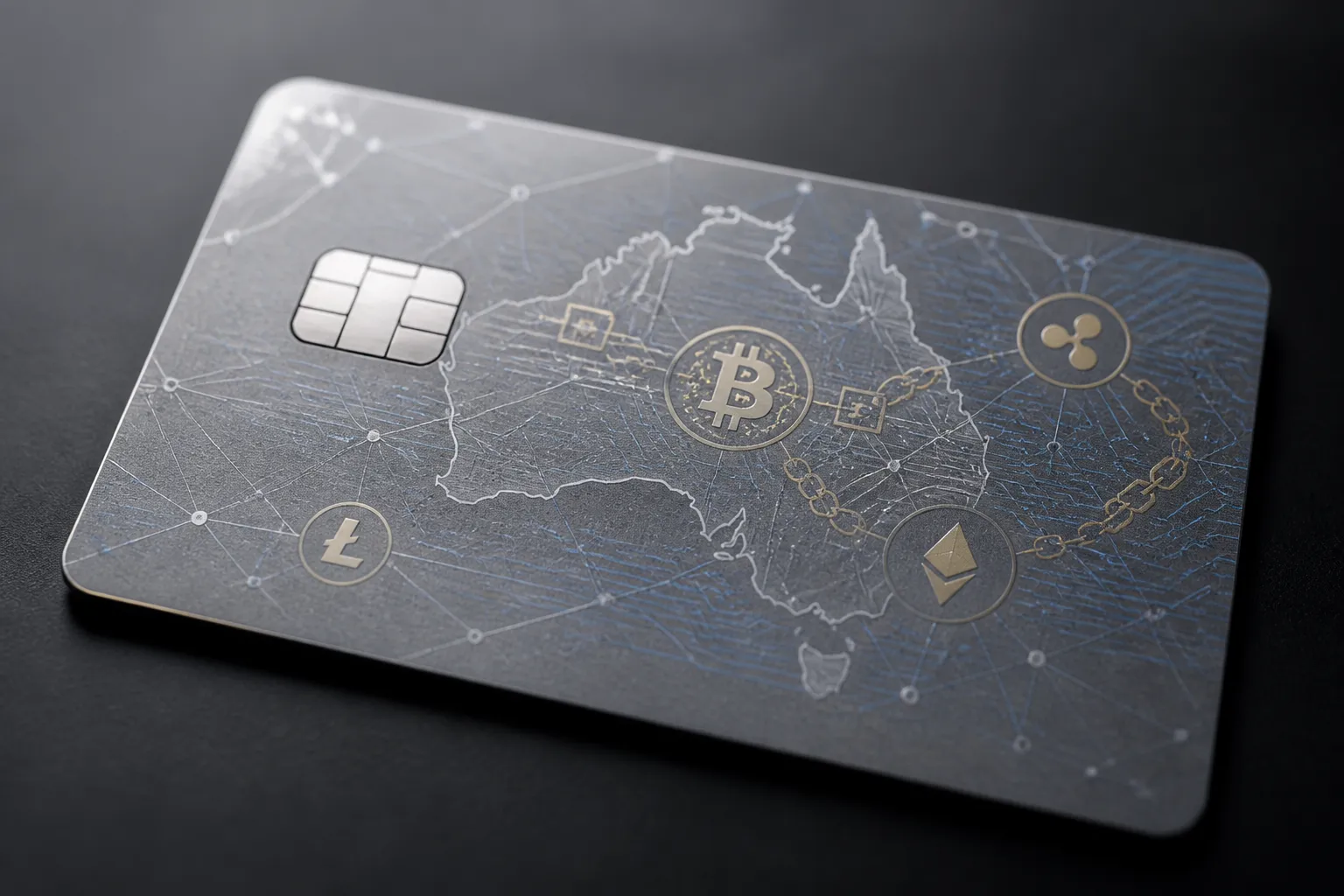
KuCoin, the Seychelles‑based cryptocurrency exchange, announced on 24 April 2026 that its new KuCard debit card will be available to eligible users in Australia. The card allows holders to spend supported crypto assets directly at merchants that accept Mastercard, converting digital holdings into fiat‑equivalent payments in real time.
The rollout is the first Australian deployment of KuCard and follows the company’s earlier launch in the United States. Eligible Australian users can link their KuCoin wallet to the card, and the system will automatically convert the chosen crypto asset—such as USDC, BTC, or ETH—into the local currency at the point of sale. The conversion occurs behind the scenes, so consumers experience a familiar debit‑card transaction without needing to manage separate wallets or exchanges.
According to KuCoin’s chief technology officer, Pinch, the move is part of a broader strategy to embed digital assets into everyday financial habits. "Crypto does not succeed by remaining just an investment; it succeeds by morphing to also encompass other real‑world use cases like payment methods," Pinch said. "Our role is to build an ecosystem where people talk about the technology less and simply use it for everyday life—paying for coffee or bills—just as they do with a traditional bank card today."
The announcement highlighted several key factors that the company believes are essential for mainstream adoption. Trust, compliance, security, and consumer protection are described as core requirements. Pinch emphasized that as digital assets become more embedded within the broader financial system, strong governance, regulatory engagement, and resilient infrastructure will remain essential. He noted that KuCoin has invested heavily in cybersecurity and infrastructure expertise, citing the platform’s SOC 2 Type II, ISO/IEC 27001:2022, and ISO/IEC 27701:2019 certifications.
Regulatory compliance is a central theme in the launch. KuCoin is registered with Australia’s Australian Transaction Reports and Analysis Centre (AUSTRAC), which oversees anti‑money‑laundering and counter‑terrorism financing reporting for digital‑currency transactions. The company also holds a Markets in Crypto‑Assets (MiCA) license in Austria, allowing it to offer regulated crypto‑asset services across the European Economic Area.
Pinch also discussed the role of artificial intelligence in the next phase of digital finance. He said that AI will become a key driver as commerce, payments, and financial decision‑making grow more automated. "When we look at an e‑commerce business now, anyone can buy a domain, anyone can set up a website, and they can find a supplier. Where we start to see this fall apart is when we look at the payment function of this automation," Pinch explained. "It is not possible or at least very difficult to automate around fiat banking for this purpose, as it incurs delays and a range of other challenges. This is where KuCoin plays a unique role in this adaptation of disruptive technology."
The company’s focus on AI is reflected in its ongoing investment in crypto‑native AI initiatives. KuCoin claims to be developing systems that enable users, developers, and intelligent agents to access market intelligence, on‑chain information, and crypto capabilities in a seamless manner.
Industry observers note that the KuCard launch aligns with a broader trend of crypto‑debit cards expanding into new markets. In the United States, KuCard has already enabled USDC payments at Mastercard merchants, boosting stablecoin utility. The Australian rollout extends this capability to a market with a high density of Mastercard‑accepting merchants and a growing interest in digital‑asset payments.
While the card’s introduction is a significant step toward mainstream usage, the company acknowledges that crypto payments may become less visible as a technology over the next three to five years. Pinch said, "KuCard as a product, I think we talk about it less. If you think about just a typical card payment, no one talks about using the card and how they have a CBA card or how it's a Mastercard. They just pay for a coffee, they pay the bills, whatever it may be. And we might abbreviate it when it comes to crypto, but we'll stop talking about it."
The launch comes at a time when regulators worldwide are tightening oversight of crypto‑asset services. KuCoin’s compliance record—including its AUSTRAC registration and MiCA license—positions it to navigate these evolving regulatory landscapes. The company’s focus on security, governance, and AI‑driven payment solutions suggests it aims to remain a key player in the transition from speculative investment to everyday financial utility.
In summary, KuCoin’s KuCard launch in Australia marks a concrete step toward integrating crypto assets into routine consumer spending. By leveraging Mastercard’s global network, the company offers a familiar payment experience while maintaining robust security and regulatory compliance. The move reflects a broader industry shift toward practical, everyday use of digital assets, supported by emerging AI technologies and a growing emphasis on consumer protection.
The rollout is the first Australian deployment of KuCard and follows the company’s earlier launch in the United States. Eligible Australian users can link their KuCoin wallet to the card, and the system will automatically convert the chosen crypto asset—such as USDC, BTC, or ETH—into the local currency at the point of sale. The conversion occurs behind the scenes, so consumers experience a familiar debit‑card transaction without needing to manage separate wallets or exchanges.
According to KuCoin’s chief technology officer, Pinch, the move is part of a broader strategy to embed digital assets into everyday financial habits. "Crypto does not succeed by remaining just an investment; it succeeds by morphing to also encompass other real‑world use cases like payment methods," Pinch said. "Our role is to build an ecosystem where people talk about the technology less and simply use it for everyday life—paying for coffee or bills—just as they do with a traditional bank card today."
The announcement highlighted several key factors that the company believes are essential for mainstream adoption. Trust, compliance, security, and consumer protection are described as core requirements. Pinch emphasized that as digital assets become more embedded within the broader financial system, strong governance, regulatory engagement, and resilient infrastructure will remain essential. He noted that KuCoin has invested heavily in cybersecurity and infrastructure expertise, citing the platform’s SOC 2 Type II, ISO/IEC 27001:2022, and ISO/IEC 27701:2019 certifications.
Regulatory compliance is a central theme in the launch. KuCoin is registered with Australia’s Australian Transaction Reports and Analysis Centre (AUSTRAC), which oversees anti‑money‑laundering and counter‑terrorism financing reporting for digital‑currency transactions. The company also holds a Markets in Crypto‑Assets (MiCA) license in Austria, allowing it to offer regulated crypto‑asset services across the European Economic Area.
Pinch also discussed the role of artificial intelligence in the next phase of digital finance. He said that AI will become a key driver as commerce, payments, and financial decision‑making grow more automated. "When we look at an e‑commerce business now, anyone can buy a domain, anyone can set up a website, and they can find a supplier. Where we start to see this fall apart is when we look at the payment function of this automation," Pinch explained. "It is not possible or at least very difficult to automate around fiat banking for this purpose, as it incurs delays and a range of other challenges. This is where KuCoin plays a unique role in this adaptation of disruptive technology."
The company’s focus on AI is reflected in its ongoing investment in crypto‑native AI initiatives. KuCoin claims to be developing systems that enable users, developers, and intelligent agents to access market intelligence, on‑chain information, and crypto capabilities in a seamless manner.
Industry observers note that the KuCard launch aligns with a broader trend of crypto‑debit cards expanding into new markets. In the United States, KuCard has already enabled USDC payments at Mastercard merchants, boosting stablecoin utility. The Australian rollout extends this capability to a market with a high density of Mastercard‑accepting merchants and a growing interest in digital‑asset payments.
While the card’s introduction is a significant step toward mainstream usage, the company acknowledges that crypto payments may become less visible as a technology over the next three to five years. Pinch said, "KuCard as a product, I think we talk about it less. If you think about just a typical card payment, no one talks about using the card and how they have a CBA card or how it's a Mastercard. They just pay for a coffee, they pay the bills, whatever it may be. And we might abbreviate it when it comes to crypto, but we'll stop talking about it."
The launch comes at a time when regulators worldwide are tightening oversight of crypto‑asset services. KuCoin’s compliance record—including its AUSTRAC registration and MiCA license—positions it to navigate these evolving regulatory landscapes. The company’s focus on security, governance, and AI‑driven payment solutions suggests it aims to remain a key player in the transition from speculative investment to everyday financial utility.
In summary, KuCoin’s KuCard launch in Australia marks a concrete step toward integrating crypto assets into routine consumer spending. By leveraging Mastercard’s global network, the company offers a familiar payment experience while maintaining robust security and regulatory compliance. The move reflects a broader industry shift toward practical, everyday use of digital assets, supported by emerging AI technologies and a growing emphasis on consumer protection.







