Blab Crypto
Senate Passes Housing Bill That Temporarily Blocks U.S. Digital Dollar
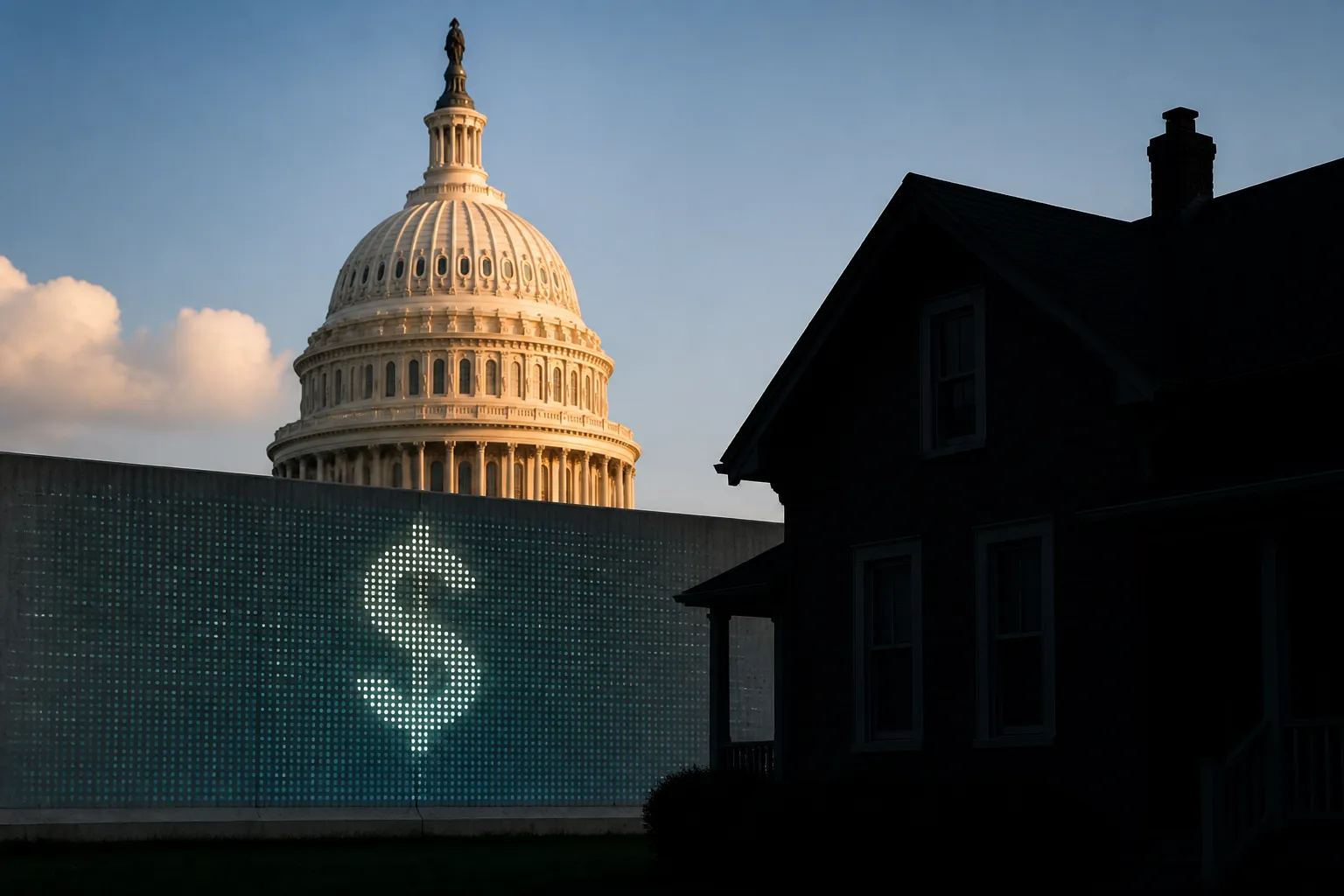
On June 23, 2026, the U.S. Senate delivered a decisive blow to the prospect of a retail central bank digital currency (CBDC) with an 85‑5 vote on the 21st Century ROAD to Housing Act. The package, the most sweeping federal housing initiative in over thirty years, not only aims to boost the supply of affordable homes, streamline permitting, and curb large private‑equity firms from buying single‑family properties, but also embeds a temporary legal bar on the Federal Reserve’s issuance of a digital dollar until the end of 2030.
The bill’s CBDC clause was inserted into an earlier Senate version of the housing package as negotiators sought the bipartisan support needed to pass the act in both chambers. Senator Elizabeth Warren, who co‑authored the legislation and has long cautioned about the risks of private digital assets, previously praised a well‑designed government‑issued digital currency as a tool for financial inclusion and safety. The new restriction, however, turns the Fed’s policy of non‑pursuit into law, making it harder for future administrations to reverse the decision without congressional approval.
Republican lawmakers have repeatedly voiced concerns that a government‑issued digital currency could enable surveillance and state control over transactions. The provision, while temporary, preserves the Fed’s ability to conduct research or develop wholesale tokenized settlement systems—such as those explored under Project Agorá—yet it bars the creation of a retail CBDC until Congress re‑authorises the effort.
The Senate vote reflects a compromise: Warren, who once championed the promise of a digital dollar, accepted the prohibition as part of a broader bipartisan effort to tackle the housing crisis. The passage demonstrates that lawmakers can agree on a wide‑ranging policy package even when it contains controversial provisions.
In the global context, the U.S. move places it at odds with most other major economies. According to the Atlantic Council, 146 countries and currency unions—representing more than 98 % of global GDP—are actively exploring or developing a CBDC. Every G20 member except the United States is pursuing a digital currency, with 18 in advanced stages of pilot programs. Three countries—Bahamas, Jamaica, and Nigeria—have already launched public digital currencies.
While the U.S. has not yet issued a digital dollar, the executive branch has signalled a shift away from the idea. In January 2025, President Donald Trump signed an executive order directing federal agencies to halt the development, establishment, or promotion of a CBDC. The new statutory restriction codifies a policy that the Fed had already been following.
The legislation does not permanently eliminate the possibility of a digital dollar. Congress retains the authority to revisit the issue after 2030, and the Fed could still pursue research into tokenized settlement or wholesale payment systems. However, any move toward a retail CBDC would require new legislation.
The bill’s passage highlights the divergent paths the United States and other major economies are taking regarding digital currencies. While the U.S. focuses on wholesale projects and maintains a cautious stance on retail digital money, other countries are moving toward public digital currencies or advanced pilot programs.
In summary, the Senate’s approval of the 21st Century ROAD to Housing Act marks a significant step in U.S. housing policy and introduces a temporary, statutory ban on a retail CBDC. The restriction will remain in place until the end of 2030, after which Congress can decide whether to lift the prohibition. The move underscores the United States’ cautious approach to digital currency amid a global trend toward central bank digital currencies.
The bill’s CBDC clause was inserted into an earlier Senate version of the housing package as negotiators sought the bipartisan support needed to pass the act in both chambers. Senator Elizabeth Warren, who co‑authored the legislation and has long cautioned about the risks of private digital assets, previously praised a well‑designed government‑issued digital currency as a tool for financial inclusion and safety. The new restriction, however, turns the Fed’s policy of non‑pursuit into law, making it harder for future administrations to reverse the decision without congressional approval.
Republican lawmakers have repeatedly voiced concerns that a government‑issued digital currency could enable surveillance and state control over transactions. The provision, while temporary, preserves the Fed’s ability to conduct research or develop wholesale tokenized settlement systems—such as those explored under Project Agorá—yet it bars the creation of a retail CBDC until Congress re‑authorises the effort.
The Senate vote reflects a compromise: Warren, who once championed the promise of a digital dollar, accepted the prohibition as part of a broader bipartisan effort to tackle the housing crisis. The passage demonstrates that lawmakers can agree on a wide‑ranging policy package even when it contains controversial provisions.
In the global context, the U.S. move places it at odds with most other major economies. According to the Atlantic Council, 146 countries and currency unions—representing more than 98 % of global GDP—are actively exploring or developing a CBDC. Every G20 member except the United States is pursuing a digital currency, with 18 in advanced stages of pilot programs. Three countries—Bahamas, Jamaica, and Nigeria—have already launched public digital currencies.
While the U.S. has not yet issued a digital dollar, the executive branch has signalled a shift away from the idea. In January 2025, President Donald Trump signed an executive order directing federal agencies to halt the development, establishment, or promotion of a CBDC. The new statutory restriction codifies a policy that the Fed had already been following.
The legislation does not permanently eliminate the possibility of a digital dollar. Congress retains the authority to revisit the issue after 2030, and the Fed could still pursue research into tokenized settlement or wholesale payment systems. However, any move toward a retail CBDC would require new legislation.
The bill’s passage highlights the divergent paths the United States and other major economies are taking regarding digital currencies. While the U.S. focuses on wholesale projects and maintains a cautious stance on retail digital money, other countries are moving toward public digital currencies or advanced pilot programs.
In summary, the Senate’s approval of the 21st Century ROAD to Housing Act marks a significant step in U.S. housing policy and introduces a temporary, statutory ban on a retail CBDC. The restriction will remain in place until the end of 2030, after which Congress can decide whether to lift the prohibition. The move underscores the United States’ cautious approach to digital currency amid a global trend toward central bank digital currencies.