Blab Crypto
Brazil Central Bank Proposes 24-Hour Hold on Large Stablecoin Transfers
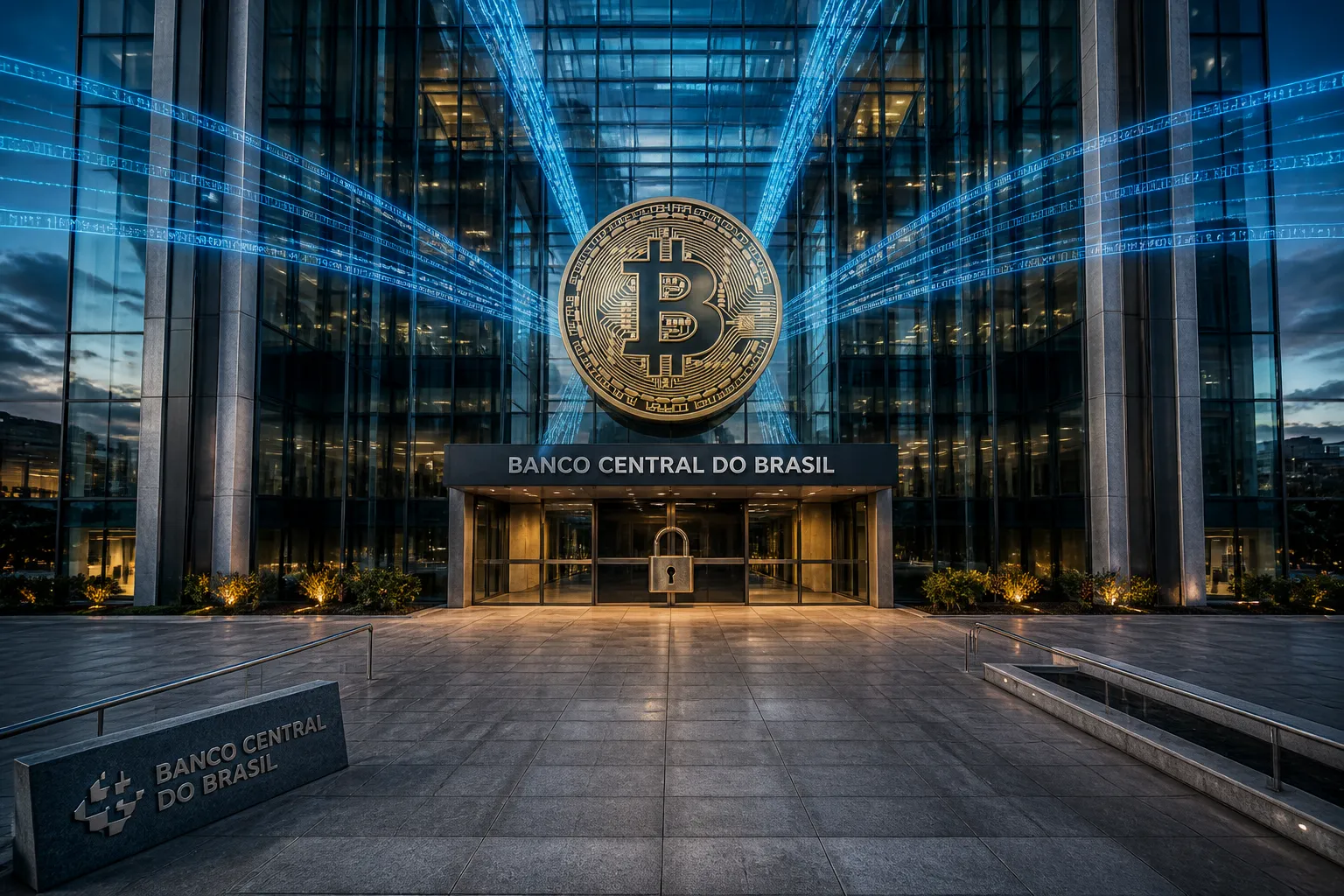
On 26 June 2026, the Banco Central do Brasil unveiled a draft regulation that would require virtual‑asset service providers (VASPs) to pause dollar‑backed stablecoin transfers of $10,000 or more for up to 24 hours before the funds could be sent abroad or to a user‑controlled wallet. The measure is framed as a preventive checkpoint, giving firms time to screen for fraud and money‑laundering risks.
Under the rule, the hold would apply to each individual transaction or to the cumulative amount a single client moves in a day. Transfers that meet the threshold would be temporarily frozen by the VASP; the firm could then release the funds if its risk assessment is satisfied. The central bank emphasized that the pause is not a blanket freeze but an additional safeguard before the money leaves the regulated system.
Industry bodies were given until 2 July to submit comments. The draft is expected to be finalized and published in the coming weeks, with the rule slated to take effect in October 2026. This timeline gives VASPs roughly three months to adjust systems and processes.
The proposal follows a series of recent actions that treat dollar‑stablecoins as foreign‑exchange instruments rather than ordinary payment means. In February 2026, the bank’s Resolutions 519‑521 and complementary Resolution 542 barred crypto firms from using virtual assets as the settlement rail for cross‑border deals and restricted certain fund‑based import structures. The new 24‑hour hold is the third measure in quick succession that signals a shift toward applying foreign‑exchange regulation to stablecoin flows.
Crypto associations warned that the hold will push settlement from same‑day to next‑day, eroding the speed advantage that stablecoins have offered over traditional wire transfers. In a congressional hearing on 1 July, industry representatives argued that the pause could push liquidity to foreign platforms outside Brazil’s regulatory reach.
The market reacted immediately to earlier measures. After the February rules, the spread on stablecoin trades widened from roughly a tenth of a percent to as much as one percent, indicating higher transaction costs and slower settlement. Analysts note that the price impact reflects regulatory tightening rather than a change in underlying demand for stablecoins.
Brazil remains the world’s largest stablecoin payments market, with nine of ten local crypto transactions involving dollar‑backed tokens. The new rule could alter the competitive landscape for firms such as Ripple, Circle, and other liquidity providers that rely on fast, cross‑border stablecoin flows.
The central bank cited Singapore and South Korea as models where authorities can delay or reject suspect digital payments. It emphasized that the pause is a preventive measure rather than a blanket restriction.
As the draft moves toward finalization, VASPs will need to review compliance frameworks, update risk‑management protocols, and engage with regulators to clarify implementation details. The industry’s response will shape whether the rule achieves its intended anti‑money‑laundering objectives without stifling Brazil’s position as a hub for stablecoin activity.
In summary, the proposed 24‑hour hold on $10,000+ stablecoin transfers signals Brazil’s intent to treat dollar‑backed tokens as foreign‑exchange instruments. The rule is expected to take effect in October 2026, following a period of industry consultation and regulatory finalization. The outcome will influence settlement speed, cost, and the broader ecosystem of stablecoin payments in Brazil.
Under the rule, the hold would apply to each individual transaction or to the cumulative amount a single client moves in a day. Transfers that meet the threshold would be temporarily frozen by the VASP; the firm could then release the funds if its risk assessment is satisfied. The central bank emphasized that the pause is not a blanket freeze but an additional safeguard before the money leaves the regulated system.
Industry bodies were given until 2 July to submit comments. The draft is expected to be finalized and published in the coming weeks, with the rule slated to take effect in October 2026. This timeline gives VASPs roughly three months to adjust systems and processes.
The proposal follows a series of recent actions that treat dollar‑stablecoins as foreign‑exchange instruments rather than ordinary payment means. In February 2026, the bank’s Resolutions 519‑521 and complementary Resolution 542 barred crypto firms from using virtual assets as the settlement rail for cross‑border deals and restricted certain fund‑based import structures. The new 24‑hour hold is the third measure in quick succession that signals a shift toward applying foreign‑exchange regulation to stablecoin flows.
Crypto associations warned that the hold will push settlement from same‑day to next‑day, eroding the speed advantage that stablecoins have offered over traditional wire transfers. In a congressional hearing on 1 July, industry representatives argued that the pause could push liquidity to foreign platforms outside Brazil’s regulatory reach.
The market reacted immediately to earlier measures. After the February rules, the spread on stablecoin trades widened from roughly a tenth of a percent to as much as one percent, indicating higher transaction costs and slower settlement. Analysts note that the price impact reflects regulatory tightening rather than a change in underlying demand for stablecoins.
Brazil remains the world’s largest stablecoin payments market, with nine of ten local crypto transactions involving dollar‑backed tokens. The new rule could alter the competitive landscape for firms such as Ripple, Circle, and other liquidity providers that rely on fast, cross‑border stablecoin flows.
The central bank cited Singapore and South Korea as models where authorities can delay or reject suspect digital payments. It emphasized that the pause is a preventive measure rather than a blanket restriction.
As the draft moves toward finalization, VASPs will need to review compliance frameworks, update risk‑management protocols, and engage with regulators to clarify implementation details. The industry’s response will shape whether the rule achieves its intended anti‑money‑laundering objectives without stifling Brazil’s position as a hub for stablecoin activity.
In summary, the proposed 24‑hour hold on $10,000+ stablecoin transfers signals Brazil’s intent to treat dollar‑backed tokens as foreign‑exchange instruments. The rule is expected to take effect in October 2026, following a period of industry consultation and regulatory finalization. The outcome will influence settlement speed, cost, and the broader ecosystem of stablecoin payments in Brazil.







