Blab Crypto
Manadia Unveils Next-Generation AI Compute Infrastructure and Trusted Prediction Model at Incheon Summit
On July 18, 2026, the skyline of Incheon pulsed with anticipation as Manadia announced the launch of its next‑generation AI compute infrastructure, a trusted prediction model, and a compute coordination network during its AI Compute Order Summit.
Manadia, an AI‑native computing power collaborative network, has built its ecosystem around the UMXM token. The token fuels a distributed AI computing service that serves both B2B and consumer users, turning compute consumption into sustained network revenue. The platform is engineered to link real‑world data, AI decision‑making, and value settlement end‑to‑end, with long‑term state finalization at its core.
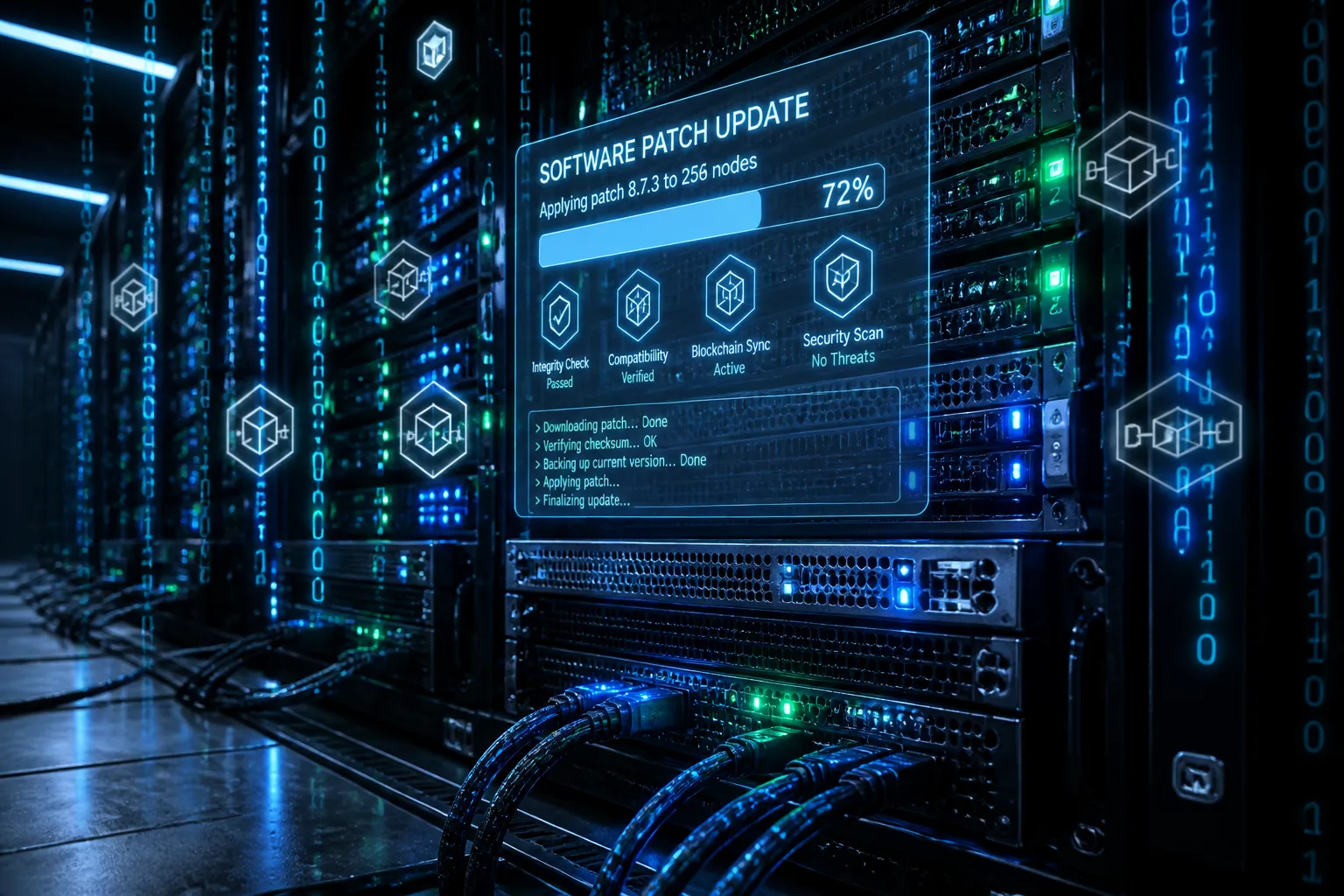
The summit unveiled a modular infrastructure that introduces a coordinated layer for accessing and managing AI compute resources. Designed to streamline resource allocation and workflow coordination across the network, this layer promises more efficient use of the distributed compute pool.
Alongside the infrastructure, Manadia revealed a trusted prediction model that leverages the network’s collective data and AI agents to generate forecasts for demand planning, resource scheduling, and other use cases. The model is intended to provide actionable insights to developers and enterprises that rely on the platform.
According to the project’s X announcement, the compute coordination network will let participants request, schedule, and execute AI workloads with greater efficiency. Its low‑trust settlement mechanisms allow participants to transact without a central authority while preserving data integrity.
The launch comes amid a surge in global demand for AI compute. Analysts note that hyperscale providers and specialized hardware firms—such as Cerebras Systems, which offers wafer‑scale AI processors—are expanding their offerings to meet the needs of large language models and other compute‑intensive workloads. Manadia’s emphasis on decentralization and token‑based incentives offers an alternative that could reduce reliance on a handful of hyperscalers.
While the summit did not disclose specific collaborators, the announcement hinted that the new infrastructure could attract developers and enterprises seeking a flexible, scalable compute platform. The trusted prediction model may also open avenues for integration with existing prediction markets and AI‑driven analytics services.
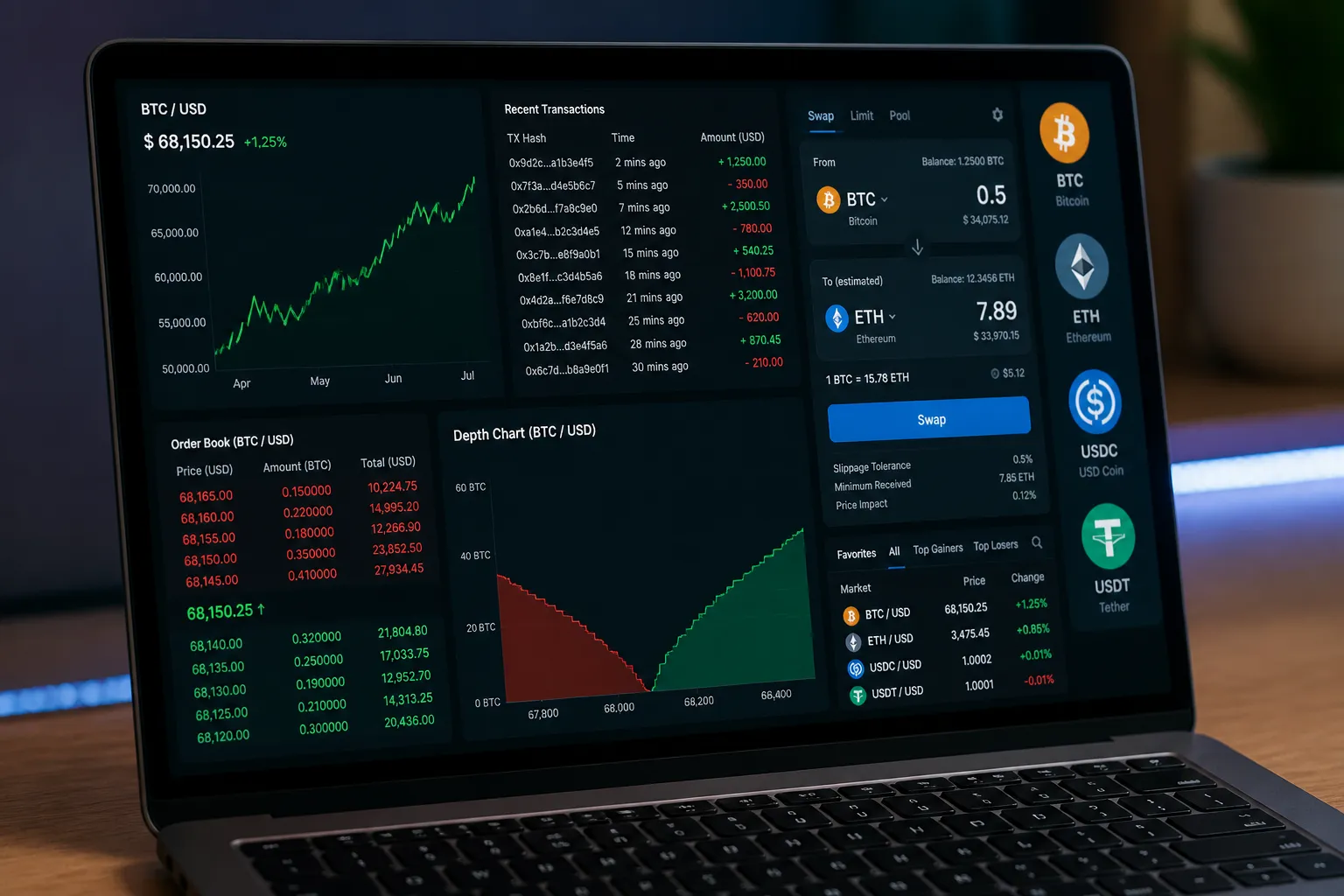
From a token perspective, the UMXM token’s role is expected to evolve. It is already used for network incentives, prediction market interactions, and yield coordination. The new compute coordination layer could expand its utility by enabling token‑based access to compute resources and by rewarding participants who contribute capacity.
Industry observers note that the timing of the launch—coinciding with an offline summit—could influence market perception. Offline events that bundle product announcements with network updates often reveal new incentive structures or token‑utility details that can affect investor sentiment.
Manadia’s announcement did not include a detailed roadmap for future upgrades or a schedule for broader network roll‑out, but the company has stressed its commitment to continuous improvement of the prediction model and compute coordination mechanisms.
In summary, Manadia’s Incheon summit marked the public debut of a coordinated AI compute infrastructure, a trusted prediction model, and a compute coordination network. The launch underscores the company’s strategy to provide a decentralized, token‑driven platform that addresses the growing demand for AI compute resources while offering new tools for forecasting and resource management.
The current situation remains that the infrastructure and prediction model are live on the Manadia network, with the UMXM token continuing to serve as the economic engine. Upcoming developments may include expanded partnerships, additional incentive layers, and broader adoption by developers and enterprises seeking flexible AI compute solutions.
Manadia, an AI‑native computing power collaborative network, has built its ecosystem around the UMXM token. The token fuels a distributed AI computing service that serves both B2B and consumer users, turning compute consumption into sustained network revenue. The platform is engineered to link real‑world data, AI decision‑making, and value settlement end‑to‑end, with long‑term state finalization at its core.
The summit unveiled a modular infrastructure that introduces a coordinated layer for accessing and managing AI compute resources. Designed to streamline resource allocation and workflow coordination across the network, this layer promises more efficient use of the distributed compute pool.
Alongside the infrastructure, Manadia revealed a trusted prediction model that leverages the network’s collective data and AI agents to generate forecasts for demand planning, resource scheduling, and other use cases. The model is intended to provide actionable insights to developers and enterprises that rely on the platform.
According to the project’s X announcement, the compute coordination network will let participants request, schedule, and execute AI workloads with greater efficiency. Its low‑trust settlement mechanisms allow participants to transact without a central authority while preserving data integrity.
The launch comes amid a surge in global demand for AI compute. Analysts note that hyperscale providers and specialized hardware firms—such as Cerebras Systems, which offers wafer‑scale AI processors—are expanding their offerings to meet the needs of large language models and other compute‑intensive workloads. Manadia’s emphasis on decentralization and token‑based incentives offers an alternative that could reduce reliance on a handful of hyperscalers.
While the summit did not disclose specific collaborators, the announcement hinted that the new infrastructure could attract developers and enterprises seeking a flexible, scalable compute platform. The trusted prediction model may also open avenues for integration with existing prediction markets and AI‑driven analytics services.
From a token perspective, the UMXM token’s role is expected to evolve. It is already used for network incentives, prediction market interactions, and yield coordination. The new compute coordination layer could expand its utility by enabling token‑based access to compute resources and by rewarding participants who contribute capacity.
Industry observers note that the timing of the launch—coinciding with an offline summit—could influence market perception. Offline events that bundle product announcements with network updates often reveal new incentive structures or token‑utility details that can affect investor sentiment.
Manadia’s announcement did not include a detailed roadmap for future upgrades or a schedule for broader network roll‑out, but the company has stressed its commitment to continuous improvement of the prediction model and compute coordination mechanisms.
In summary, Manadia’s Incheon summit marked the public debut of a coordinated AI compute infrastructure, a trusted prediction model, and a compute coordination network. The launch underscores the company’s strategy to provide a decentralized, token‑driven platform that addresses the growing demand for AI compute resources while offering new tools for forecasting and resource management.
The current situation remains that the infrastructure and prediction model are live on the Manadia network, with the UMXM token continuing to serve as the economic engine. Upcoming developments may include expanded partnerships, additional incentive layers, and broader adoption by developers and enterprises seeking flexible AI compute solutions.