Blab Crypto
ZachXBT Criticizes Hardware Wallets, Trezor Defends Their Security
A recent post by blockchain investigator ZachXBT on Telegram sparked a debate over the safety of hardware wallets. In the message, ZachXBT called dedicated hardware devices unreliable for storing funds or approving transfers, and suggested that a dedicated iPhone could serve as a signing device for experienced users.
Trezor, a leading hardware wallet manufacturer, responded quickly. Chief Commercial Officer Danny Sanders acknowledged that software glitches and frequent updates can disrupt basic functions, but he rejected the blanket dismissal of hardware wallets as ineffective. In a brief interview, Sanders said, "Love ZachXBT's detective work, but of course I kindly disagree here 🙃." He added, "A dedicated iPhone is an interesting hot wallet upgrade, but it's still a general‑purpose device. And assuming everyone can execute this setup really well is a big generalisation."
Sanders explained that hardware wallets operate in isolated environments that minimize exposure to common threats. The devices feature dedicated screens for independently verifying transaction details before confirmation, which helps prevent malware from altering payment information. Private key generation also occurs in a more controlled setting, reducing risks compared to mobile setups that rely on Wi‑Fi, Bluetooth, cellular connections, and messaging apps.
While acknowledging that advanced users managing high‑value portfolios may benefit from customized, multi‑layered approaches, Sanders argued against applying elite‑level tactics universally. He stressed that for everyday crypto enthusiasts, dedicated hardware remains one of the most effective self‑custody tools available today. The core philosophy centers on keeping keys offline and under user control, far removed from exchange or third‑party risks.
The debate highlights broader tensions in crypto custody. ZachXBT’s proposal of a stripped‑down iPhone as a signing device aims to give experienced individuals greater control and fewer intermediaries. Trezor countered that this introduces unnecessary complexities and attack vectors inherent to connected consumer devices.
Roman Storm, co‑founder of Tornado Cash, added to the discussion by pointing out ongoing needs for improvements such as broader BIP39 passphrase support and air‑gapped signing options in mobile wallets. Storm’s comments underscore the importance of enhancing security features across all wallet types.
Hardware solutions have protected millions of users by design, emphasizing open‑source transparency and verifiable processes. Yet no tool is foolproof—human error, social engineering, and supply‑chain issues continue to pose challenges across the board.
Trezor and similar providers continue to invest in usability enhancements while upholding security fundamentals. The conversation underscores a key principle in cryptocurrency: security is multifaceted, combining technology, user habits, and informed choices. While critics like ZachXBT push for alternatives tailored to power users, companies like Trezor advocate for accessible, dedicated hardware as a reliable foundation for most holders seeking true ownership of their assets.
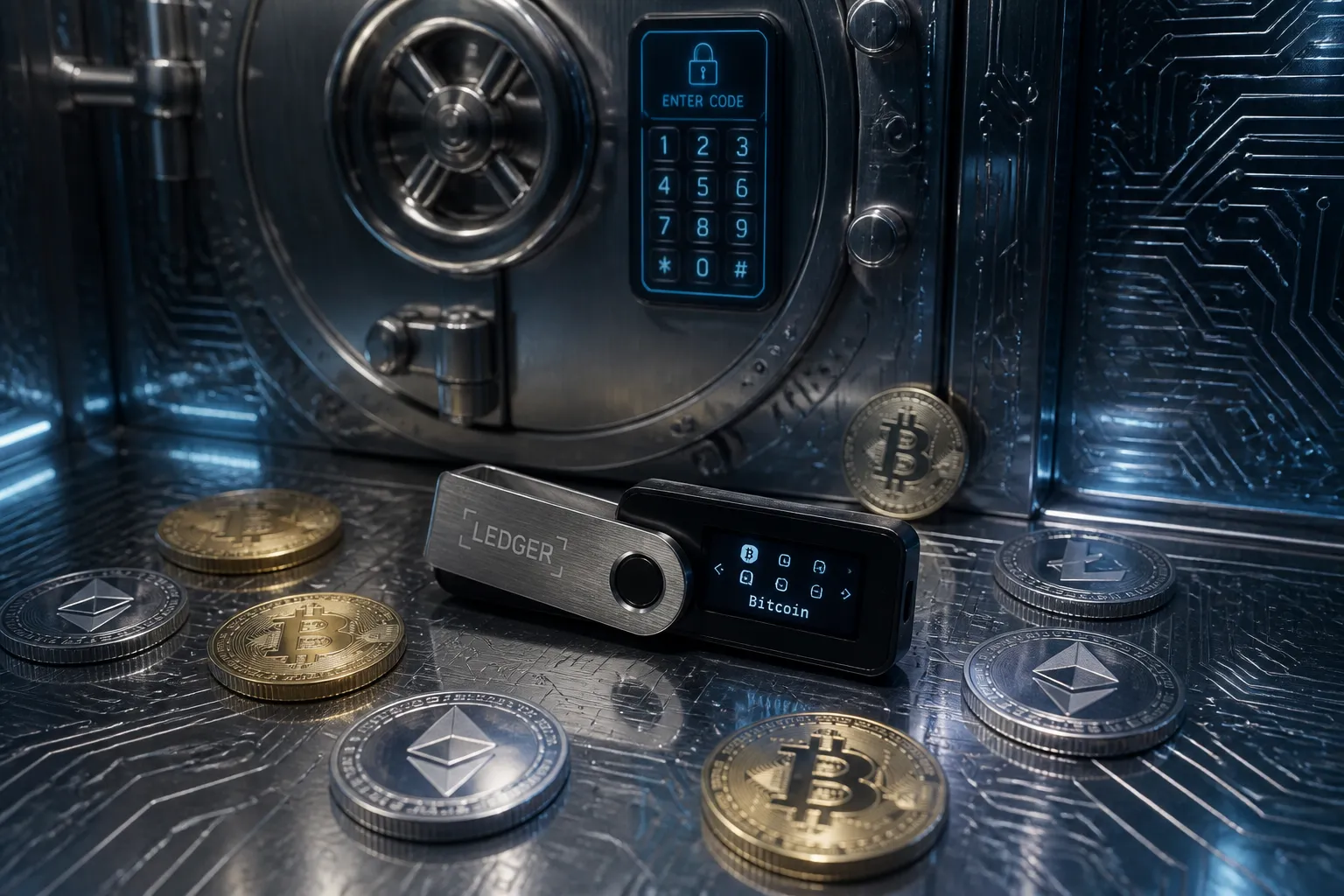
The discussion has drawn attention from other industry players. Ledger, another major hardware wallet maker, has faced criticism from ZachXBT, who called it the worst in the category. Ledger’s response emphasized the distinction between software experience and the underlying security architecture that protects users’ private keys.
In the broader context, the debate comes at a time when self‑custody adoption is growing alongside rising threats. The crypto community continues to evaluate the trade‑offs between convenience and security, with hardware wallets remaining a cornerstone for many users.
As the industry evolves, stakeholders will likely continue to refine wallet designs, improve user interfaces, and address emerging attack vectors. The current debate serves as a reminder that while hardware wallets are not a panacea, they remain a critical tool for safeguarding digital assets.
The conversation remains open, with further discussions expected as new developments in wallet technology and security protocols emerge.
Trezor, a leading hardware wallet manufacturer, responded quickly. Chief Commercial Officer Danny Sanders acknowledged that software glitches and frequent updates can disrupt basic functions, but he rejected the blanket dismissal of hardware wallets as ineffective. In a brief interview, Sanders said, "Love ZachXBT's detective work, but of course I kindly disagree here 🙃." He added, "A dedicated iPhone is an interesting hot wallet upgrade, but it's still a general‑purpose device. And assuming everyone can execute this setup really well is a big generalisation."
Sanders explained that hardware wallets operate in isolated environments that minimize exposure to common threats. The devices feature dedicated screens for independently verifying transaction details before confirmation, which helps prevent malware from altering payment information. Private key generation also occurs in a more controlled setting, reducing risks compared to mobile setups that rely on Wi‑Fi, Bluetooth, cellular connections, and messaging apps.
While acknowledging that advanced users managing high‑value portfolios may benefit from customized, multi‑layered approaches, Sanders argued against applying elite‑level tactics universally. He stressed that for everyday crypto enthusiasts, dedicated hardware remains one of the most effective self‑custody tools available today. The core philosophy centers on keeping keys offline and under user control, far removed from exchange or third‑party risks.
The debate highlights broader tensions in crypto custody. ZachXBT’s proposal of a stripped‑down iPhone as a signing device aims to give experienced individuals greater control and fewer intermediaries. Trezor countered that this introduces unnecessary complexities and attack vectors inherent to connected consumer devices.
Roman Storm, co‑founder of Tornado Cash, added to the discussion by pointing out ongoing needs for improvements such as broader BIP39 passphrase support and air‑gapped signing options in mobile wallets. Storm’s comments underscore the importance of enhancing security features across all wallet types.
Hardware solutions have protected millions of users by design, emphasizing open‑source transparency and verifiable processes. Yet no tool is foolproof—human error, social engineering, and supply‑chain issues continue to pose challenges across the board.
Trezor and similar providers continue to invest in usability enhancements while upholding security fundamentals. The conversation underscores a key principle in cryptocurrency: security is multifaceted, combining technology, user habits, and informed choices. While critics like ZachXBT push for alternatives tailored to power users, companies like Trezor advocate for accessible, dedicated hardware as a reliable foundation for most holders seeking true ownership of their assets.
The discussion has drawn attention from other industry players. Ledger, another major hardware wallet maker, has faced criticism from ZachXBT, who called it the worst in the category. Ledger’s response emphasized the distinction between software experience and the underlying security architecture that protects users’ private keys.
In the broader context, the debate comes at a time when self‑custody adoption is growing alongside rising threats. The crypto community continues to evaluate the trade‑offs between convenience and security, with hardware wallets remaining a cornerstone for many users.
As the industry evolves, stakeholders will likely continue to refine wallet designs, improve user interfaces, and address emerging attack vectors. The current debate serves as a reminder that while hardware wallets are not a panacea, they remain a critical tool for safeguarding digital assets.
The conversation remains open, with further discussions expected as new developments in wallet technology and security protocols emerge.







