Blab Crypto
Marathon Digital Shifts 50 MW of Idle Capacity to AI Data Centers Amid Bitcoin Mining Decline
On March 6, 2026, Marathon Digital Holdings (MARA) announced that it would convert up to 50 megawatts (MW) of unused data‑center power into artificial‑intelligence (AI) hosting. The decision comes as Bitcoin mining difficulty has fallen sharply, prompting many miners to redirect surplus electricity toward more stable, high‑paying AI workloads.
The move follows the company’s board approval of a joint venture with Starwood Capital to build AI‑centric facilities. A Trefis report noted that the partnership will combine Marathon’s existing infrastructure and long‑term power contracts with Starwood’s capital and strategic guidance. The pivot is part of a broader trend: miners such as Hut 8 and TeraWulf have already secured multi‑billion‑dollar AI hosting deals, signaling a shift away from volatile crypto mining toward predictable compute services.
Bitcoin’s mining difficulty dropped 7.76 % in 2026, the second‑largest decline of the year, according to TECHi. The reduction reflects a wave of miners unplugging unprofitable rigs and reallocating resources to AI operations. Marathon, one of the world’s largest publicly traded Bitcoin miners and the second‑largest corporate holder of the cryptocurrency as of August 2025, has historically built large‑scale facilities across the United States and abroad. For example, its Montana plant draws 37 MW from the Hardin Generating Station to power a nearby mining complex.
To support the transition, Marathon’s board added AI specialists Janet George and Barbara Humpton, as announced in a company statement. Their appointments underscore the firm’s intent to deepen its expertise in AI and diversify revenue streams beyond the cyclical nature of Bitcoin production. The CEO explained that repurposing idle capacity can deliver a more predictable income stream, especially as Bitcoin’s price and network difficulty continue to fluctuate.
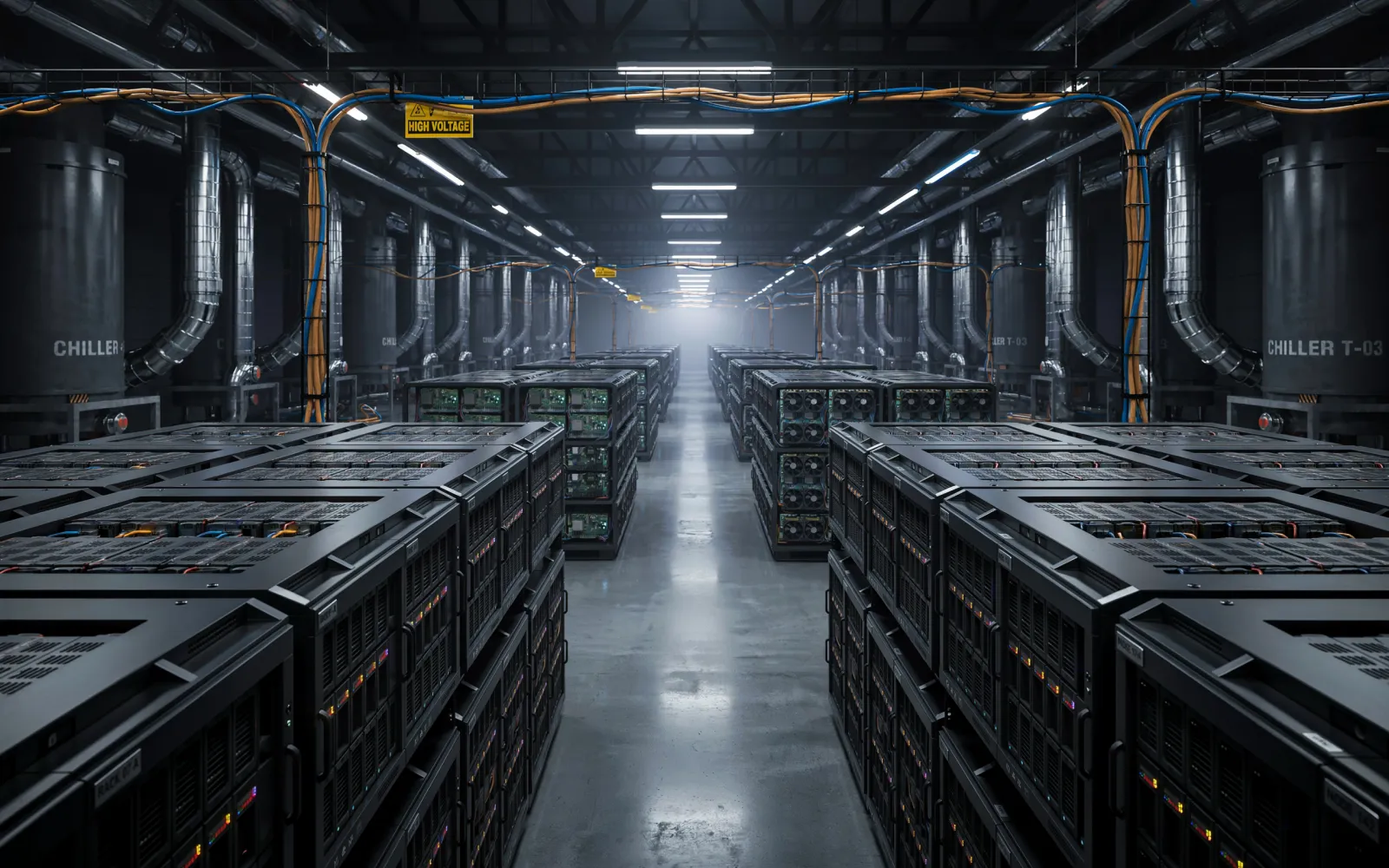
The 50 MW conversion will occur in phases over the next 12 months. Marathon plans to retrofit existing racks and cooling systems to accommodate GPU‑based AI workloads—a technically straightforward process that still demands careful management of power and cooling budgets. Because its data‑center operations are already engineered for high‑density compute, the shift to AI hosting is expected to be efficient.
Investors reacted positively to the announcement. MARA shares surged nearly 8 % intraday on the day of the press release, according to KING.NET and QUE.com. However, analysts caution that the company’s underlying financials remain fragile. Recent quarterly results show a decline in mining revenue and a high debt load, meaning the AI pivot may help offset some headwinds but does not eliminate the need for sustainable cash flow.
The expansion also raises questions about electricity demand. AI workloads are energy‑intensive, and the rapid growth of AI data centers has already strained local grids in the United States and Europe. While Marathon’s existing power contracts provide a stable supply, the company’s addition of AI capacity could increase regional demand and potentially invite regulatory scrutiny.
Marathon’s decision is not an isolated case. Other miners, including Hut 8 and TeraWulf, have secured large AI hosting contracts, and the AI data‑center market is projected to grow significantly in the coming years. The industry’s shift toward compute and power assets reflects a desire to mitigate exposure to Bitcoin’s price volatility.
In summary, Marathon Digital Holdings is repurposing up to 50 MW of idle data‑center capacity for AI workloads in partnership with Starwood Capital. The pivot follows a notable decline in Bitcoin mining difficulty and aligns with a broader trend of miners diversifying into AI hosting. While the move has buoyed investor sentiment, the company’s financial fundamentals remain a concern, and the expansion will raise electricity demand in the regions where Marathon operates.
The firm has not announced any regulatory approvals or local opposition to the expansion, and it remains unclear how the shift will affect its long‑term profitability. Marathon’s next quarterly report will shed further light on the financial impact of the AI pivot and the status of its joint venture with Starwood.
The move follows the company’s board approval of a joint venture with Starwood Capital to build AI‑centric facilities. A Trefis report noted that the partnership will combine Marathon’s existing infrastructure and long‑term power contracts with Starwood’s capital and strategic guidance. The pivot is part of a broader trend: miners such as Hut 8 and TeraWulf have already secured multi‑billion‑dollar AI hosting deals, signaling a shift away from volatile crypto mining toward predictable compute services.
Bitcoin’s mining difficulty dropped 7.76 % in 2026, the second‑largest decline of the year, according to TECHi. The reduction reflects a wave of miners unplugging unprofitable rigs and reallocating resources to AI operations. Marathon, one of the world’s largest publicly traded Bitcoin miners and the second‑largest corporate holder of the cryptocurrency as of August 2025, has historically built large‑scale facilities across the United States and abroad. For example, its Montana plant draws 37 MW from the Hardin Generating Station to power a nearby mining complex.
To support the transition, Marathon’s board added AI specialists Janet George and Barbara Humpton, as announced in a company statement. Their appointments underscore the firm’s intent to deepen its expertise in AI and diversify revenue streams beyond the cyclical nature of Bitcoin production. The CEO explained that repurposing idle capacity can deliver a more predictable income stream, especially as Bitcoin’s price and network difficulty continue to fluctuate.
The 50 MW conversion will occur in phases over the next 12 months. Marathon plans to retrofit existing racks and cooling systems to accommodate GPU‑based AI workloads—a technically straightforward process that still demands careful management of power and cooling budgets. Because its data‑center operations are already engineered for high‑density compute, the shift to AI hosting is expected to be efficient.
Investors reacted positively to the announcement. MARA shares surged nearly 8 % intraday on the day of the press release, according to KING.NET and QUE.com. However, analysts caution that the company’s underlying financials remain fragile. Recent quarterly results show a decline in mining revenue and a high debt load, meaning the AI pivot may help offset some headwinds but does not eliminate the need for sustainable cash flow.
The expansion also raises questions about electricity demand. AI workloads are energy‑intensive, and the rapid growth of AI data centers has already strained local grids in the United States and Europe. While Marathon’s existing power contracts provide a stable supply, the company’s addition of AI capacity could increase regional demand and potentially invite regulatory scrutiny.
Marathon’s decision is not an isolated case. Other miners, including Hut 8 and TeraWulf, have secured large AI hosting contracts, and the AI data‑center market is projected to grow significantly in the coming years. The industry’s shift toward compute and power assets reflects a desire to mitigate exposure to Bitcoin’s price volatility.
In summary, Marathon Digital Holdings is repurposing up to 50 MW of idle data‑center capacity for AI workloads in partnership with Starwood Capital. The pivot follows a notable decline in Bitcoin mining difficulty and aligns with a broader trend of miners diversifying into AI hosting. While the move has buoyed investor sentiment, the company’s financial fundamentals remain a concern, and the expansion will raise electricity demand in the regions where Marathon operates.
The firm has not announced any regulatory approvals or local opposition to the expansion, and it remains unclear how the shift will affect its long‑term profitability. Marathon’s next quarterly report will shed further light on the financial impact of the AI pivot and the status of its joint venture with Starwood.







