Blab Crypto
North Carolina Woman Loses $5,000 in Jury Duty Scam Using Bitcoin ATM
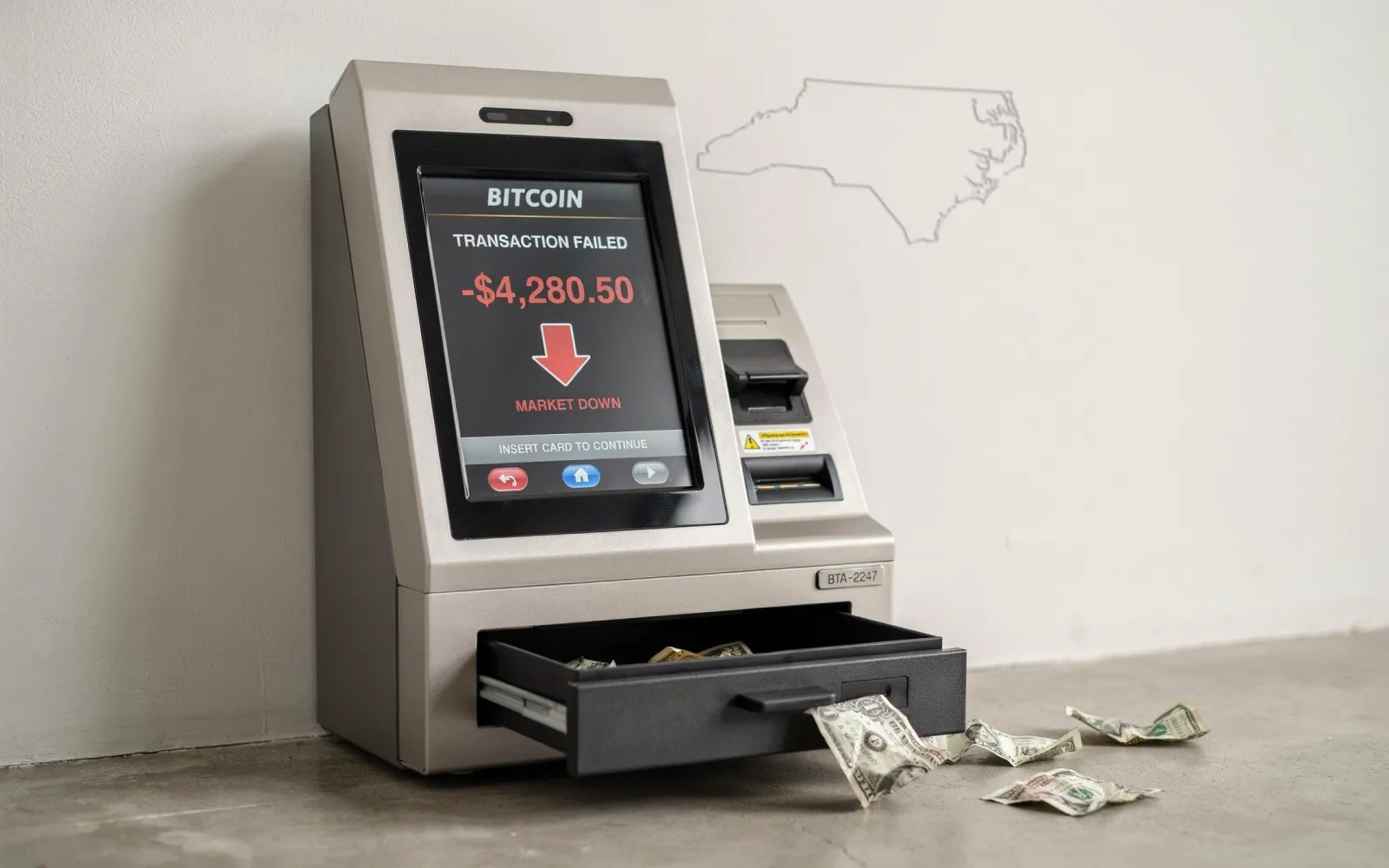
A routine phone call turned into a $5,000 loss for Mia Bashir, a Cary resident who was duped by a caller posing as a deputy. The fraudster claimed Bashir had missed jury duty and warned that civil and criminal charges would follow. He instructed her to withdraw money from her bank account and deposit it into a Bitcoin ATM at a gas station in Apex, promising the funds would be returned after she appeared before a judge. When Bashir realized the call was a scam, she reported the incident to local police.
Bashir’s experience is part of a broader wave of fraud targeting Wake County residents. North Carolina Attorney General Jeff Jackson has warned that scammers are increasingly impersonating law‑enforcement officers, using real deputy names and badge numbers to create a veneer of legitimacy. “Scammers want you to panic and send money before you have time to think,” Jackson said. “If you get one of these calls, hang up, take a beat, and verify the information with a trusted source before taking any action.”
Sheriff Willie Rowe of Wake County echoed the AG’s concerns. His office has received 181 fraud reports this year, many involving law‑enforcement impersonation. “These criminals are sophisticated and often spoof official phone numbers to appear legitimate,” Rowe said. “We urge the public not to panic, verify the information independently, and, if they are a victim, report it to their local law‑enforcement agency immediately.” He added that law‑enforcement agencies will never call residents to demand payment or threaten arrest for missed jury duty.
The FBI’s Internet Crime Complaint Center logged 10,956 complaints tied to cryptocurrency ATMs in 2024, with victims losing $246.7 million. In 2025, Americans lost nearly $389 million to cryptocurrency‑ATM scams, according to FBI data. The sharp rise in fraud involving Bitcoin ATMs—machines that convert cash into cryptocurrency—has prompted state officials to consider new consumer protections.
North Carolina is not alone. At least 30 states have enacted laws related to cryptocurrency kiosks, and lawmakers are debating legislation that would set daily transaction limits, require fraud warnings, and impose additional consumer protections for crypto‑ATM operators. AARP is partnering with the state to revise legislation and warn the public about crypto‑ATM scams. The organization’s recent bulletin highlighted the rise of cryptocurrency as a “new wave of financial scams and fraud.”
In North Carolina, jury summonses and failure‑to‑appear notices are delivered only by first‑class mail to a resident’s home or post office box. The state has no policy allowing law‑enforcement to contact citizens by phone, text, or email about missed jury duty. The AG’s statement that “law‑enforcement agencies will never call residents to demand payment or threaten arrest for missed jury duty” reflects this policy.
Bashir’s ordeal underscores the need for public awareness and stronger regulatory safeguards. She has spoken publicly to warn others about the scam and to encourage residents to verify any unexpected calls about jury duty. While the police have taken her report, the broader issue of crypto‑ATM fraud remains unresolved. The state’s ongoing legislative efforts and the AG’s partnership with AARP aim to curb the growing problem, but no definitive solution has yet been implemented.
The case illustrates the intersection of traditional civic duties and emerging digital‑asset fraud. As North Carolina continues to explore regulatory options for cryptocurrency ATMs and law‑enforcement agencies reinforce their communication protocols, residents are urged to remain vigilant and verify any unsolicited requests for payment.
Bashir’s experience is part of a broader wave of fraud targeting Wake County residents. North Carolina Attorney General Jeff Jackson has warned that scammers are increasingly impersonating law‑enforcement officers, using real deputy names and badge numbers to create a veneer of legitimacy. “Scammers want you to panic and send money before you have time to think,” Jackson said. “If you get one of these calls, hang up, take a beat, and verify the information with a trusted source before taking any action.”
Sheriff Willie Rowe of Wake County echoed the AG’s concerns. His office has received 181 fraud reports this year, many involving law‑enforcement impersonation. “These criminals are sophisticated and often spoof official phone numbers to appear legitimate,” Rowe said. “We urge the public not to panic, verify the information independently, and, if they are a victim, report it to their local law‑enforcement agency immediately.” He added that law‑enforcement agencies will never call residents to demand payment or threaten arrest for missed jury duty.
The FBI’s Internet Crime Complaint Center logged 10,956 complaints tied to cryptocurrency ATMs in 2024, with victims losing $246.7 million. In 2025, Americans lost nearly $389 million to cryptocurrency‑ATM scams, according to FBI data. The sharp rise in fraud involving Bitcoin ATMs—machines that convert cash into cryptocurrency—has prompted state officials to consider new consumer protections.
North Carolina is not alone. At least 30 states have enacted laws related to cryptocurrency kiosks, and lawmakers are debating legislation that would set daily transaction limits, require fraud warnings, and impose additional consumer protections for crypto‑ATM operators. AARP is partnering with the state to revise legislation and warn the public about crypto‑ATM scams. The organization’s recent bulletin highlighted the rise of cryptocurrency as a “new wave of financial scams and fraud.”
In North Carolina, jury summonses and failure‑to‑appear notices are delivered only by first‑class mail to a resident’s home or post office box. The state has no policy allowing law‑enforcement to contact citizens by phone, text, or email about missed jury duty. The AG’s statement that “law‑enforcement agencies will never call residents to demand payment or threaten arrest for missed jury duty” reflects this policy.
Bashir’s ordeal underscores the need for public awareness and stronger regulatory safeguards. She has spoken publicly to warn others about the scam and to encourage residents to verify any unexpected calls about jury duty. While the police have taken her report, the broader issue of crypto‑ATM fraud remains unresolved. The state’s ongoing legislative efforts and the AG’s partnership with AARP aim to curb the growing problem, but no definitive solution has yet been implemented.
The case illustrates the intersection of traditional civic duties and emerging digital‑asset fraud. As North Carolina continues to explore regulatory options for cryptocurrency ATMs and law‑enforcement agencies reinforce their communication protocols, residents are urged to remain vigilant and verify any unsolicited requests for payment.