Blab Crypto
Mexican Billionaire Ricardo Salinas Places 70% of Portfolio in Bitcoin, Cites Weakening Fiat and Inflation
When a Mexican billionaire declares that 70 % of his wealth is now tied to Bitcoin, it’s more than a headline—it’s a bold statement about where he believes value will ultimately reside.
Ricardo Salinas, the founder of Grupo Salinas and a long‑time fixture in Mexico’s business landscape, has long diversified his interests across telecommunications, media, and retail. His recent public comments, however, shift the focus squarely onto a single digital asset, signaling a departure from his traditional real‑estate holdings and the surging popularity of artificial‑intelligence (AI) stocks.
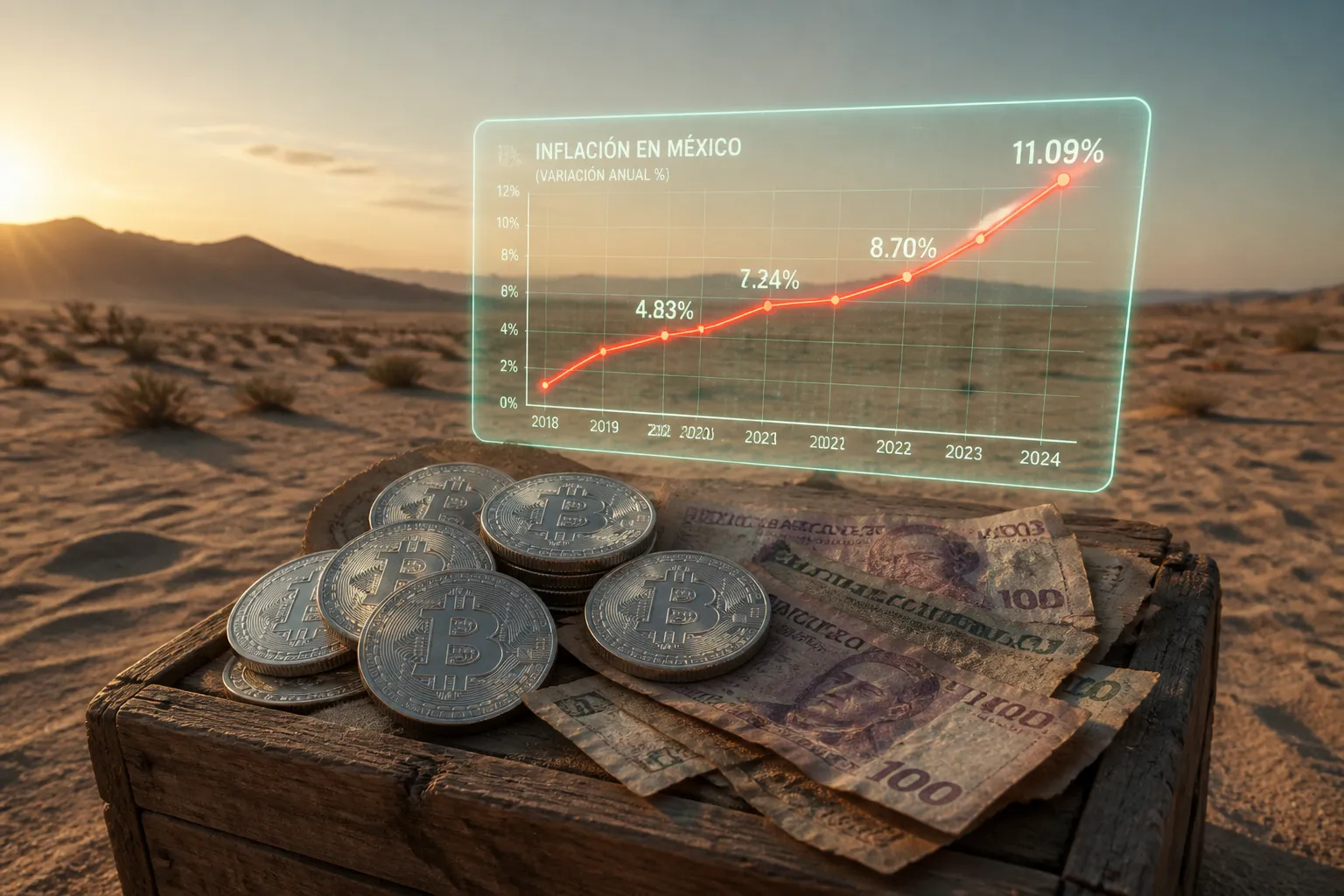
In an interview that drew attention from markets and media alike, Salinas explained that the global financial system increasingly relies on fiat currencies that are subject to continual monetary expansion. He argued that this expansion erodes purchasing power over time, while Bitcoin’s capped supply of 21 million coins offers a predictable hedge against inflation. The billionaire cited reading The Bitcoin Standard as the turning point that clarified for him how money functions as a widely accepted commodity.
Beyond macro‑economic reasoning, Salinas highlighted Bitcoin’s operational strengths. The network’s decentralised architecture permits cross‑border transfers without the need for central‑bank intervention, and its immutable ledger protects holders from manipulation. He noted that his own Bitcoin‑mining operations benefit indirectly from the rising demand for computing power in the AI sector, even as he remains skeptical of the current AI valuation boom.
When pressed on his investment philosophy, Salinas described a disciplined practice of converting any excess fiat cash into Bitcoin as soon as it becomes available. He prefers dollar‑cost averaging—purchasing the asset at regular intervals rather than attempting to time market peaks. In his view, Bitcoin’s long‑term growth potential outstrips that of real estate because of its capped supply and global liquidity.
Salinas also voiced a long‑term bullish outlook for Bitcoin’s price. He suggested that the cryptocurrency could eventually reach $1 million, although he did not provide a specific timeline. The statement reflects his belief that continued adoption and the persistent decline of fiat currencies will drive demand.
The billionaire’s public stance has attracted scrutiny from investors and analysts who track high‑net‑worth individuals’ asset allocations. While Salinas’ exact holdings are not disclosed in detail, reports from multiple outlets confirm that his liquid portfolio is heavily weighted toward Bitcoin.
In an era of expanding money supply and uncertain economic policy, Salinas’ comments reinforce a narrative that Bitcoin is increasingly viewed by wealthy investors as a store of value. His shift from traditional assets to a purely digital one underscores a broader trend of elite capital seeking protection against inflationary pressures.
The broader crypto‑industry reaction remains muted, with no immediate ripple effects on market prices or protocol upgrades. Salinas’ move, however, may prompt other high‑net‑worth individuals to re‑examine their own allocations, potentially accelerating the shift toward digital assets in private portfolios.
In summary, Ricardo Salinas’ decision to place 70 % of his portfolio in Bitcoin highlights a growing conviction among some of the world’s richest investors that the digital asset’s scarcity, decentralisation, and resilience to fiat erosion offer a compelling alternative to traditional wealth‑building vehicles.
Ricardo Salinas, the founder of Grupo Salinas and a long‑time fixture in Mexico’s business landscape, has long diversified his interests across telecommunications, media, and retail. His recent public comments, however, shift the focus squarely onto a single digital asset, signaling a departure from his traditional real‑estate holdings and the surging popularity of artificial‑intelligence (AI) stocks.
In an interview that drew attention from markets and media alike, Salinas explained that the global financial system increasingly relies on fiat currencies that are subject to continual monetary expansion. He argued that this expansion erodes purchasing power over time, while Bitcoin’s capped supply of 21 million coins offers a predictable hedge against inflation. The billionaire cited reading The Bitcoin Standard as the turning point that clarified for him how money functions as a widely accepted commodity.
Beyond macro‑economic reasoning, Salinas highlighted Bitcoin’s operational strengths. The network’s decentralised architecture permits cross‑border transfers without the need for central‑bank intervention, and its immutable ledger protects holders from manipulation. He noted that his own Bitcoin‑mining operations benefit indirectly from the rising demand for computing power in the AI sector, even as he remains skeptical of the current AI valuation boom.
When pressed on his investment philosophy, Salinas described a disciplined practice of converting any excess fiat cash into Bitcoin as soon as it becomes available. He prefers dollar‑cost averaging—purchasing the asset at regular intervals rather than attempting to time market peaks. In his view, Bitcoin’s long‑term growth potential outstrips that of real estate because of its capped supply and global liquidity.
Salinas also voiced a long‑term bullish outlook for Bitcoin’s price. He suggested that the cryptocurrency could eventually reach $1 million, although he did not provide a specific timeline. The statement reflects his belief that continued adoption and the persistent decline of fiat currencies will drive demand.
The billionaire’s public stance has attracted scrutiny from investors and analysts who track high‑net‑worth individuals’ asset allocations. While Salinas’ exact holdings are not disclosed in detail, reports from multiple outlets confirm that his liquid portfolio is heavily weighted toward Bitcoin.
In an era of expanding money supply and uncertain economic policy, Salinas’ comments reinforce a narrative that Bitcoin is increasingly viewed by wealthy investors as a store of value. His shift from traditional assets to a purely digital one underscores a broader trend of elite capital seeking protection against inflationary pressures.
The broader crypto‑industry reaction remains muted, with no immediate ripple effects on market prices or protocol upgrades. Salinas’ move, however, may prompt other high‑net‑worth individuals to re‑examine their own allocations, potentially accelerating the shift toward digital assets in private portfolios.
In summary, Ricardo Salinas’ decision to place 70 % of his portfolio in Bitcoin highlights a growing conviction among some of the world’s richest investors that the digital asset’s scarcity, decentralisation, and resilience to fiat erosion offer a compelling alternative to traditional wealth‑building vehicles.