Blab Crypto
Tennessees Crypto ATM Ban Takes Effect After Federal Court Ruling
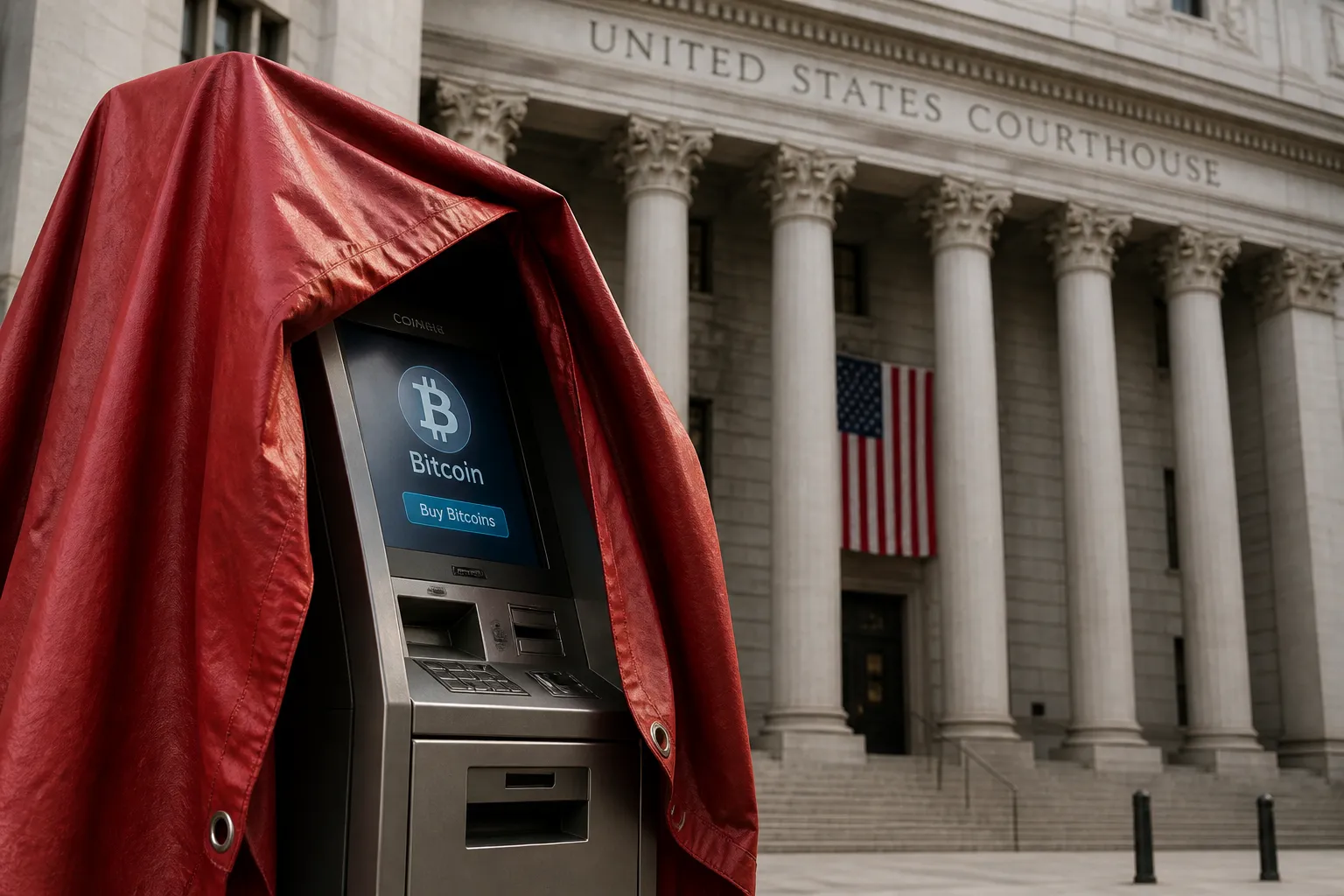
On July 1, 2026, Tennessee’s long‑awaited ban on cryptocurrency ATMs finally took effect after a federal judge denied operators’ emergency request to suspend the law. The ruling allows the state to enforce a new regulation that makes installing or running a virtual‑currency kiosk a Class A misdemeanor.
The law, signed by Governor Bill Lee on April 13, 2026, is House Bill 2505. It bars the installation, operation, or hosting of any cryptocurrency kiosk anywhere in Tennessee. The legislation was drafted in response to a surge in crypto‑related fraud; the FBI reported that Tennessee residents lost roughly $142 million to scams in 2025. By targeting physical points of sale, the state seeks to shield vulnerable consumers from “scammers who use ATMs to trick people into sending money they can’t recover,” the Attorney General said.
The court’s decision followed filings by two companies—GPD Holdings, operating as Coinflip, and Private IT Corporation—to stay the law. The judge concluded that the public interest in preventing fraud outweighed the operators’ claimed business losses and that the companies had not shown a likelihood of success on the merits. Consequently, the ban remains in force while the lawsuit proceeds in federal court.
Attorney General Jonathan Skrmetti framed the ban as part of a bipartisan effort to curb crypto‑fraud. Lawmakers from both parties supported the measure after evidence surfaced that ATMs were being used to facilitate pig‑butchering scams and other deceptive schemes. The AG’s office urged residents who believe they have been targeted to file complaints through the state’s consumer‑protection portal at tn.gov/consumer.
Under the ban, all cryptocurrency ATMs must be removed or shut down before the July 1 effective date. Tennessee is the second state in the United States to outlaw crypto ATMs, following a similar move in another jurisdiction earlier this year. The regulation is expected to reduce the number of points where consumers can unknowingly transfer funds to fraudulent parties.
While the ban is now operative, the underlying lawsuit will continue to be heard in federal court. The outcome of that litigation could shape the future of crypto‑ATM operations in Tennessee and potentially influence regulatory approaches in other states. For now, the law stands as a significant consumer‑protection measure aimed at curbing crypto‑fraud.
The law, signed by Governor Bill Lee on April 13, 2026, is House Bill 2505. It bars the installation, operation, or hosting of any cryptocurrency kiosk anywhere in Tennessee. The legislation was drafted in response to a surge in crypto‑related fraud; the FBI reported that Tennessee residents lost roughly $142 million to scams in 2025. By targeting physical points of sale, the state seeks to shield vulnerable consumers from “scammers who use ATMs to trick people into sending money they can’t recover,” the Attorney General said.
The court’s decision followed filings by two companies—GPD Holdings, operating as Coinflip, and Private IT Corporation—to stay the law. The judge concluded that the public interest in preventing fraud outweighed the operators’ claimed business losses and that the companies had not shown a likelihood of success on the merits. Consequently, the ban remains in force while the lawsuit proceeds in federal court.
Attorney General Jonathan Skrmetti framed the ban as part of a bipartisan effort to curb crypto‑fraud. Lawmakers from both parties supported the measure after evidence surfaced that ATMs were being used to facilitate pig‑butchering scams and other deceptive schemes. The AG’s office urged residents who believe they have been targeted to file complaints through the state’s consumer‑protection portal at tn.gov/consumer.
Under the ban, all cryptocurrency ATMs must be removed or shut down before the July 1 effective date. Tennessee is the second state in the United States to outlaw crypto ATMs, following a similar move in another jurisdiction earlier this year. The regulation is expected to reduce the number of points where consumers can unknowingly transfer funds to fraudulent parties.
While the ban is now operative, the underlying lawsuit will continue to be heard in federal court. The outcome of that litigation could shape the future of crypto‑ATM operations in Tennessee and potentially influence regulatory approaches in other states. For now, the law stands as a significant consumer‑protection measure aimed at curbing crypto‑fraud.