Blab Crypto
Belgium Leads World Cup 2026 in Distance Covered as Kraken and Solana Memecoin W26 Drive Crypto Engagement
Belgium has been officially named the most physically demanding team at the 2026 FIFA World Cup, covering more total distance than any other squad through the knockout stages. The record comes amid the tournament’s deepest integration of cryptocurrency sponsorship in FIFA history, with Kraken serving as the Official Crypto Exchange Supporter across North America and Europe and a Solana‑based World Cup‑themed memecoin, W26, trading actively throughout the event.
The announcement follows data released by FIFA’s match‑tracking system, which shows Belgium’s collective movement as the highest among all teams that have progressed to the quarterfinals. While the national side’s total distance is the benchmark, individual performances also stand out. Belgian midfielder Youri Tielemans led the player‑level charts with 61.8 km covered through the quarterfinal stage, a figure that surpasses the typical 10–11 km average for professional footballers per game.
Defender Timothy Castagne set a tournament‑wide single‑match record by covering 16.29 km in a single game, a distance that exceeds the average by more than 50 %. In contrast, Spanish midfielder Rodri logged a higher total distance of 71.17 km according to alternative tracking metrics, but Belgium’s collective effort across the full squad remains the distinguishing factor.
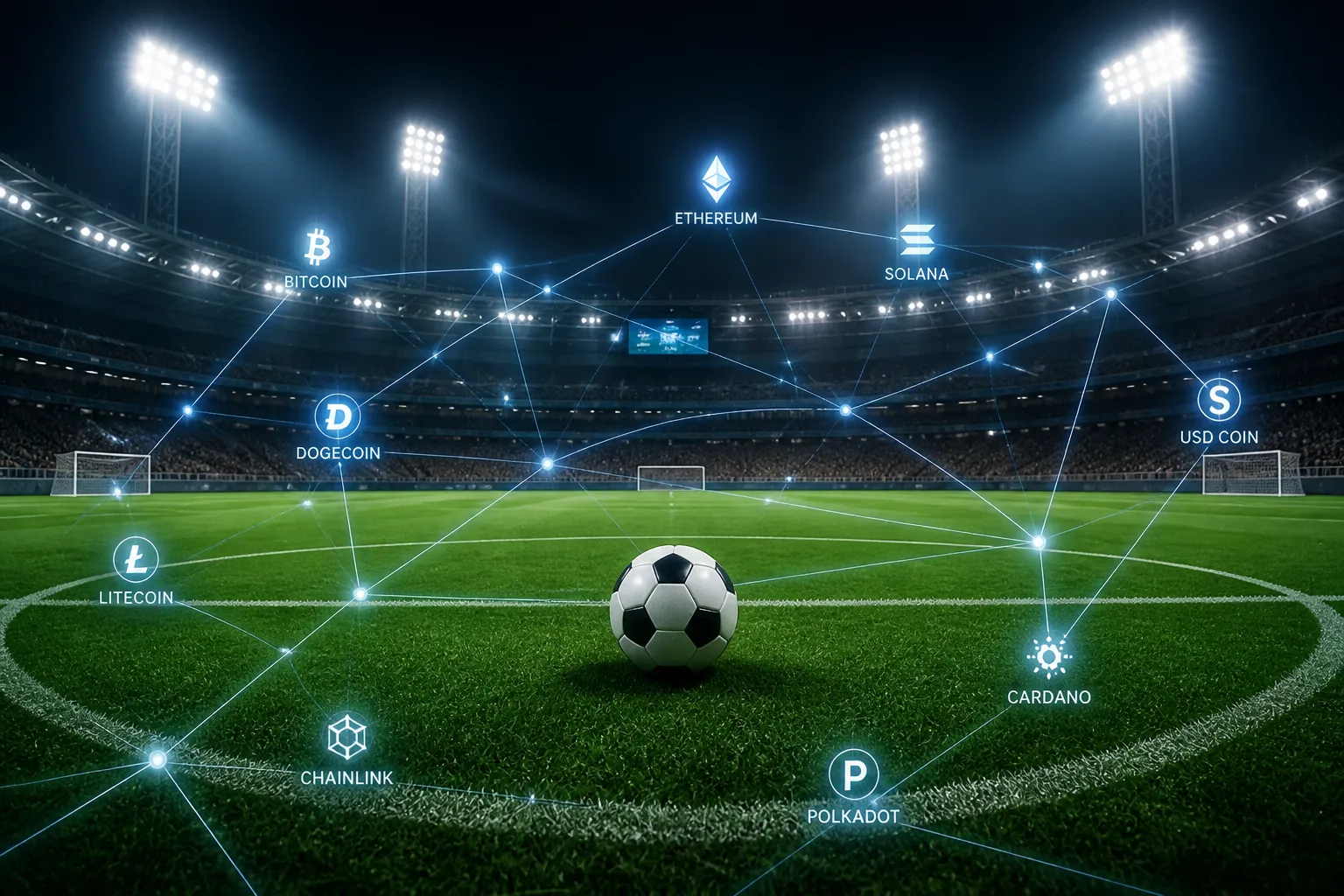
The 2026 World Cup’s crypto sponsorship is notable for its breadth. Kraken’s partnership, announced before the tournament began, marks the first time a major exchange has been named an official supporter of the event in both North America and Europe. Meanwhile, W26, a memecoin built on the Solana blockchain, has attracted traders who view the token as a way to speculate on World Cup hype. The token’s trading volume has increased steadily throughout the tournament, reflecting a shift in fan engagement from structured fan tokens—often tied to governance rights—to more speculative, event‑driven memecoins.
The rise of W26 and similar tokens highlights a broader trend: digital assets are becoming embedded in how fans experience live sporting events. However, the market for event‑driven tokens carries inherent risks. Once the final whistle blows, the momentum that fuels trading can dissipate quickly. Traders who invest in W26 or comparable tokens should recognize that they are betting on short‑term hype rather than underlying fundamentals.
In summary, Belgium’s record‑breaking physical output at the 2026 World Cup coincides with a significant expansion of cryptocurrency presence in the sport. Kraken’s official partnership and the emergence of Solana‑based memecoins like W26 illustrate two distinct ways digital assets are integrated into fan culture. While the tournament’s crypto initiatives have attracted attention, the longevity of event‑driven tokens remains uncertain, and their performance will likely depend on continued fan engagement beyond the World Cup.
The announcement follows data released by FIFA’s match‑tracking system, which shows Belgium’s collective movement as the highest among all teams that have progressed to the quarterfinals. While the national side’s total distance is the benchmark, individual performances also stand out. Belgian midfielder Youri Tielemans led the player‑level charts with 61.8 km covered through the quarterfinal stage, a figure that surpasses the typical 10–11 km average for professional footballers per game.
Defender Timothy Castagne set a tournament‑wide single‑match record by covering 16.29 km in a single game, a distance that exceeds the average by more than 50 %. In contrast, Spanish midfielder Rodri logged a higher total distance of 71.17 km according to alternative tracking metrics, but Belgium’s collective effort across the full squad remains the distinguishing factor.
The 2026 World Cup’s crypto sponsorship is notable for its breadth. Kraken’s partnership, announced before the tournament began, marks the first time a major exchange has been named an official supporter of the event in both North America and Europe. Meanwhile, W26, a memecoin built on the Solana blockchain, has attracted traders who view the token as a way to speculate on World Cup hype. The token’s trading volume has increased steadily throughout the tournament, reflecting a shift in fan engagement from structured fan tokens—often tied to governance rights—to more speculative, event‑driven memecoins.
The rise of W26 and similar tokens highlights a broader trend: digital assets are becoming embedded in how fans experience live sporting events. However, the market for event‑driven tokens carries inherent risks. Once the final whistle blows, the momentum that fuels trading can dissipate quickly. Traders who invest in W26 or comparable tokens should recognize that they are betting on short‑term hype rather than underlying fundamentals.
In summary, Belgium’s record‑breaking physical output at the 2026 World Cup coincides with a significant expansion of cryptocurrency presence in the sport. Kraken’s official partnership and the emergence of Solana‑based memecoins like W26 illustrate two distinct ways digital assets are integrated into fan culture. While the tournament’s crypto initiatives have attracted attention, the longevity of event‑driven tokens remains uncertain, and their performance will likely depend on continued fan engagement beyond the World Cup.