Blab Crypto
South Korea Refers 30 Crypto Manipulation Cases to Prosecutors, Expanding Enforcement Under New Virtual Asset Law
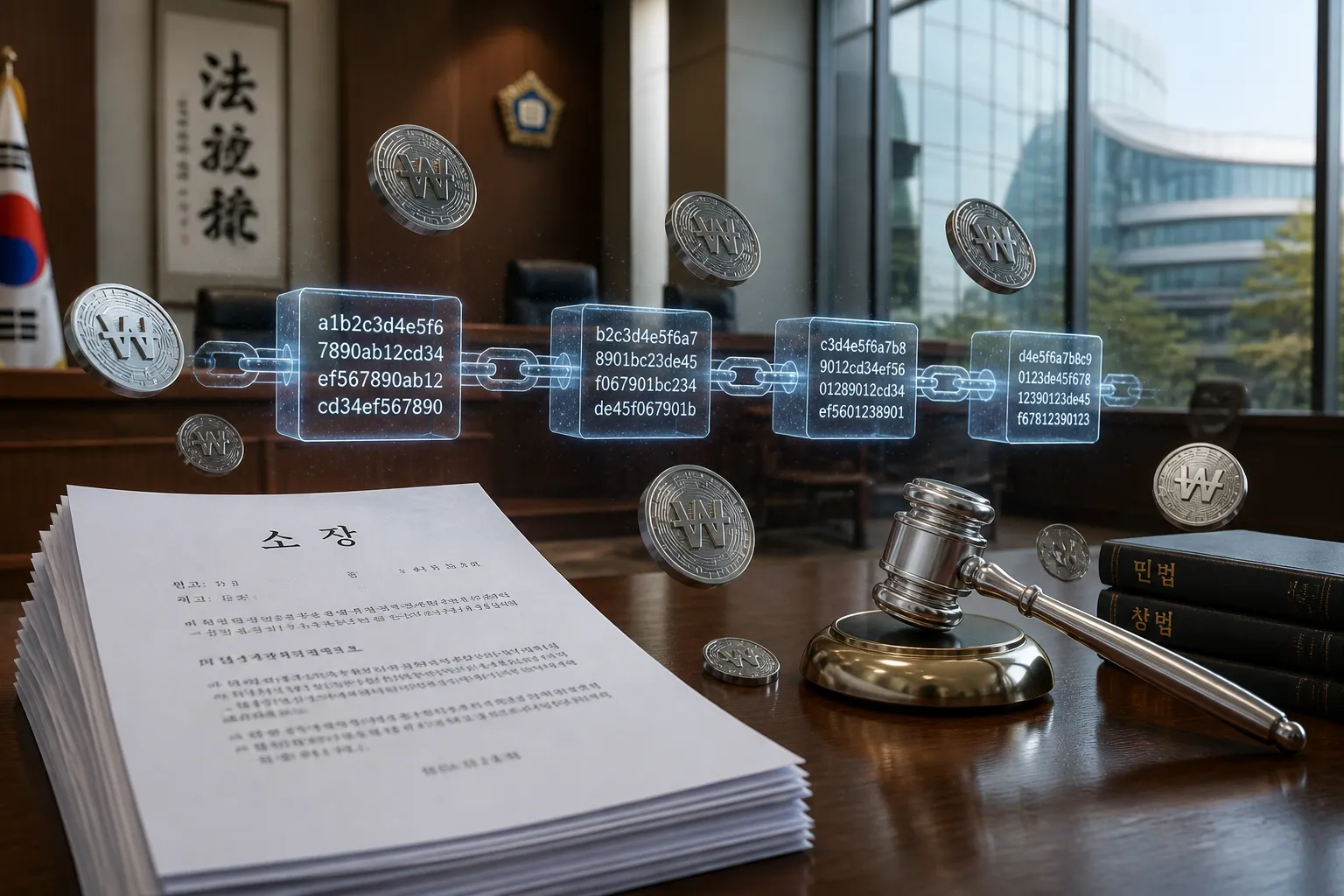
Seoul’s Financial Services Commission (FSC) has taken a decisive step against illicit trading practices, referring 30 suspected market‑manipulation cases to prosecutors. The move marks the first large‑scale enforcement action under South Korea’s Act on the Protection of Virtual Asset Users, which took effect on 1 July 2024.
The new statute is the country’s inaugural comprehensive crypto‑specific framework. It explicitly outlawed unfair trading tactics—including market manipulation, wash trading, and coordinated price‑pumping schemes—and imposed a suite of operational requirements on virtual asset service providers (VASPs). Exchanges must now keep a significant portion of customer assets in cold storage and operate through real‑name verified bank accounts, a measure designed to close the “anonymized banking” loophole that previously let some platforms slip into a regulatory gray zone.
According to the FSC, automated surveillance tools were deployed to flag market anomalies in real time. The agency identified 30 potential manipulation cases, though it has not publicly disclosed any tokens or individuals linked to the referrals.
This enforcement wave follows a broader regulatory shift. In January 2026, the regulator proposed allowing pre‑emptive account freezes for suspected manipulators—a tool that would enable authorities to seize assets without a court warrant in certain circumstances. The proposal is still under review, but if adopted it would give South Korea a capability that many other crypto jurisdictions lack.
The country also re‑classified digital assets as national wealth under amendments to the National Asset Basic Act. This change brings crypto assets under the same legal framework that governs other national wealth categories.
In addition to tightening enforcement, the government lifted a nine‑year ban on corporate crypto trading in 2026, permitting institutional investors to participate with a 5 % equity cap. The move is expected to inject significant institutional capital into the market.
The new regulatory regime will raise compliance costs for exchanges and VASPs operating in South Korea. Cold‑storage mandates, real‑name banking, and heightened monitoring obligations all add operational overhead. The FSC warned that firms will need to invest in technology and compliance teams to meet the new standards.
The 30 referrals represent a significant escalation in the FSC’s enforcement activity. While the regulator has not named specific tokens or traders, the action signals a broader intent to curb manipulation in one of the world’s most active crypto markets.
Industry observers note that the combination of stricter custody rules, real‑name banking, and automated surveillance could improve market integrity but may also reduce liquidity if smaller exchanges struggle to meet the new requirements.
The pre‑emptive freeze proposal, if passed, would give South Korean regulators a tool that most crypto markets globally still lack. It would allow authorities to freeze assets before a full investigation concludes, potentially deterring manipulative behavior.
The FSC’s referrals, the new custody and banking mandates, and the potential for pre‑emptive freezes collectively signal a shift toward a more regulated and transparent crypto environment in South Korea. The outcome of these measures will likely influence how other jurisdictions approach crypto‑market enforcement.
The current situation remains under review. The FSC has not yet announced any further referrals, and the pre‑emptive freeze proposal is still under legislative consideration. Investors and market participants should monitor regulatory updates closely as South Korea continues to shape its crypto regulatory framework.
The new statute is the country’s inaugural comprehensive crypto‑specific framework. It explicitly outlawed unfair trading tactics—including market manipulation, wash trading, and coordinated price‑pumping schemes—and imposed a suite of operational requirements on virtual asset service providers (VASPs). Exchanges must now keep a significant portion of customer assets in cold storage and operate through real‑name verified bank accounts, a measure designed to close the “anonymized banking” loophole that previously let some platforms slip into a regulatory gray zone.
According to the FSC, automated surveillance tools were deployed to flag market anomalies in real time. The agency identified 30 potential manipulation cases, though it has not publicly disclosed any tokens or individuals linked to the referrals.
This enforcement wave follows a broader regulatory shift. In January 2026, the regulator proposed allowing pre‑emptive account freezes for suspected manipulators—a tool that would enable authorities to seize assets without a court warrant in certain circumstances. The proposal is still under review, but if adopted it would give South Korea a capability that many other crypto jurisdictions lack.
The country also re‑classified digital assets as national wealth under amendments to the National Asset Basic Act. This change brings crypto assets under the same legal framework that governs other national wealth categories.
In addition to tightening enforcement, the government lifted a nine‑year ban on corporate crypto trading in 2026, permitting institutional investors to participate with a 5 % equity cap. The move is expected to inject significant institutional capital into the market.
The new regulatory regime will raise compliance costs for exchanges and VASPs operating in South Korea. Cold‑storage mandates, real‑name banking, and heightened monitoring obligations all add operational overhead. The FSC warned that firms will need to invest in technology and compliance teams to meet the new standards.
The 30 referrals represent a significant escalation in the FSC’s enforcement activity. While the regulator has not named specific tokens or traders, the action signals a broader intent to curb manipulation in one of the world’s most active crypto markets.
Industry observers note that the combination of stricter custody rules, real‑name banking, and automated surveillance could improve market integrity but may also reduce liquidity if smaller exchanges struggle to meet the new requirements.
The pre‑emptive freeze proposal, if passed, would give South Korean regulators a tool that most crypto markets globally still lack. It would allow authorities to freeze assets before a full investigation concludes, potentially deterring manipulative behavior.
The FSC’s referrals, the new custody and banking mandates, and the potential for pre‑emptive freezes collectively signal a shift toward a more regulated and transparent crypto environment in South Korea. The outcome of these measures will likely influence how other jurisdictions approach crypto‑market enforcement.
The current situation remains under review. The FSC has not yet announced any further referrals, and the pre‑emptive freeze proposal is still under legislative consideration. Investors and market participants should monitor regulatory updates closely as South Korea continues to shape its crypto regulatory framework.