Blab Crypto
Michael Saylor Declares Corporate Bitcoin Ownership Inevitable as Strategy Leads the Charge
On July 18, Michael Saylor took to X to declare that corporate Bitcoin ownership is not just a trend but an inevitability. He argued that companies provide the legal framework, scale, and continuity that individual investors cannot match, and that treasuries can hold Bitcoin long‑term while raising capital and maintaining governance through leadership changes.
Saylor’s post frames Bitcoin as more than a personal savings vehicle; it is a treasury asset that can strengthen a company’s balance sheet. According to him, corporations deliver efficiency, transparency, creditworthiness, resilience, and continuity—qualities he says are essential for widespread monetary adoption.
MicroStrategy, where Saylor serves as chairman, has pursued this model aggressively. The company now holds over 800,000 BTC, worth more than $70 billion at current prices, yet its preferred shares have traded below par this year. The preferred‑share structure was designed to bridge Bitcoin and traditional capital markets, but the recent discount signals ongoing stress. In the first quarter of 2026, MicroStrategy reported a $12.5 billion net loss, largely driven by Bitcoin valuation declines.
Beyond the United States, other firms are following suit. Metaplanet, a Japanese investment corporation, is now the third‑largest corporate Bitcoin holder after MicroStrategy and Twenty One Capital, with 6,796 BTC acquired at an average price of roughly $85,600 per coin. Twenty One Capital, a Bitcoin‑native public company, has also expanded its treasury, adding thousands of BTC ahead of its merger with Cantor Equity Partners. The strategy has attracted criticism: Ripple CEO Brad Garlinghouse warned that leverage tied to a single volatile asset introduces risks that simple ownership does not, calling MicroStrategy’s debt‑backed approach “unwise” and highlighting potential financial strain if Bitcoin prices fall.
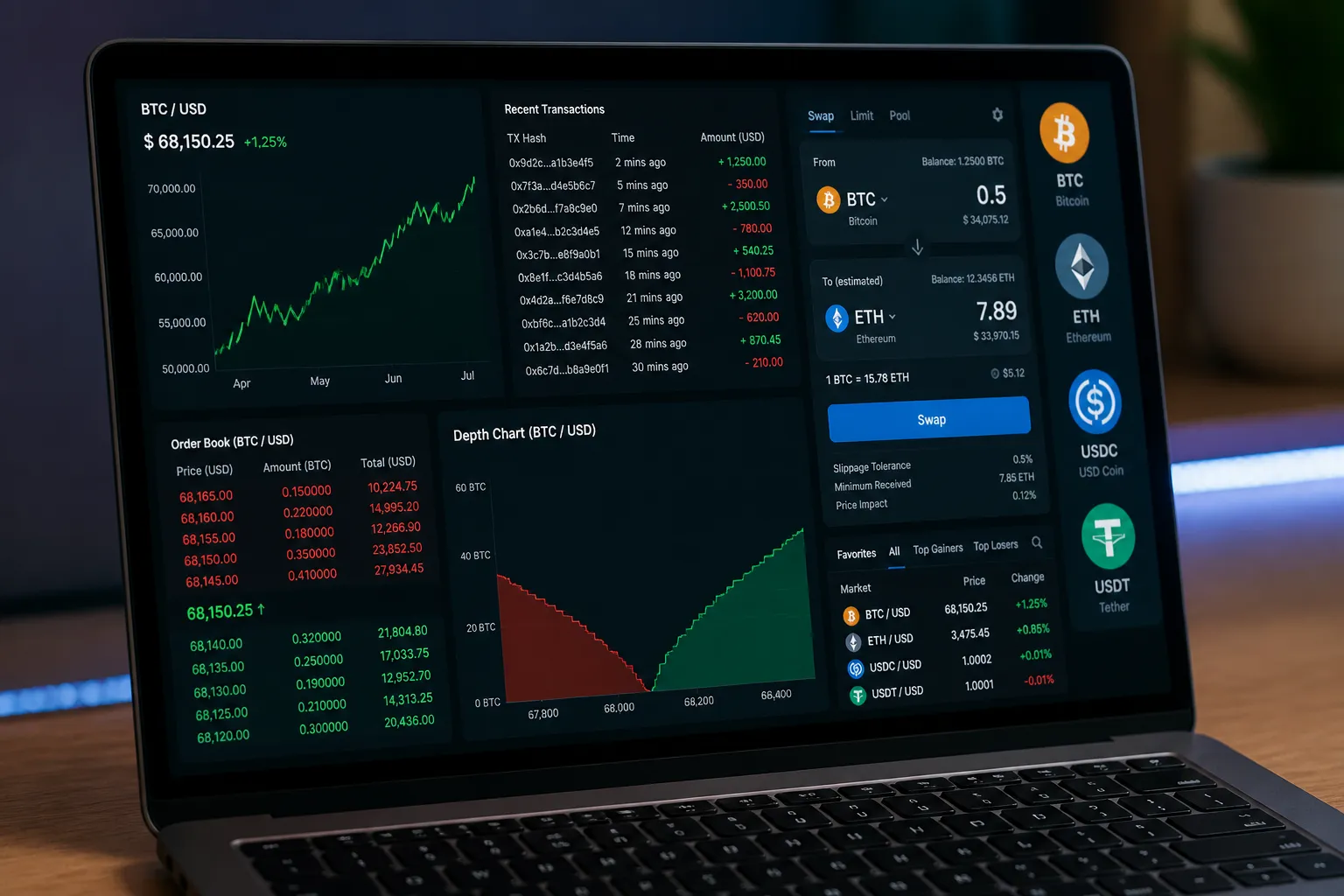
Market data provide context for the debate. Bitcoin traded near $63,900 on Saturday, up about 1.4 % over 24 hours. A recent institutional adoption index cited by BeInCrypto placed major bank participation at 32 %, with Fidelity ahead of Japanese lenders, but the index also notes that one day of stable trading does not prove that corporate demand can sustain long‑term network growth. In summary, corporate Bitcoin ownership is accelerating, led by MicroStrategy and followed by firms such as Metaplanet and Twenty One Capital. The strategy offers potential benefits in terms of scale and governance, but it also exposes companies to significant financing risks. The preferred‑share discount at MicroStrategy and the criticism from Ripple’s leadership underscore the volatility of the model. As Bitcoin’s price remains volatile and corporate treasuries continue to grow, regulators and investors will likely keep a close eye on how these structures perform in the coming months.
Saylor’s post frames Bitcoin as more than a personal savings vehicle; it is a treasury asset that can strengthen a company’s balance sheet. According to him, corporations deliver efficiency, transparency, creditworthiness, resilience, and continuity—qualities he says are essential for widespread monetary adoption.
MicroStrategy, where Saylor serves as chairman, has pursued this model aggressively. The company now holds over 800,000 BTC, worth more than $70 billion at current prices, yet its preferred shares have traded below par this year. The preferred‑share structure was designed to bridge Bitcoin and traditional capital markets, but the recent discount signals ongoing stress. In the first quarter of 2026, MicroStrategy reported a $12.5 billion net loss, largely driven by Bitcoin valuation declines.
Beyond the United States, other firms are following suit. Metaplanet, a Japanese investment corporation, is now the third‑largest corporate Bitcoin holder after MicroStrategy and Twenty One Capital, with 6,796 BTC acquired at an average price of roughly $85,600 per coin. Twenty One Capital, a Bitcoin‑native public company, has also expanded its treasury, adding thousands of BTC ahead of its merger with Cantor Equity Partners. The strategy has attracted criticism: Ripple CEO Brad Garlinghouse warned that leverage tied to a single volatile asset introduces risks that simple ownership does not, calling MicroStrategy’s debt‑backed approach “unwise” and highlighting potential financial strain if Bitcoin prices fall.
Market data provide context for the debate. Bitcoin traded near $63,900 on Saturday, up about 1.4 % over 24 hours. A recent institutional adoption index cited by BeInCrypto placed major bank participation at 32 %, with Fidelity ahead of Japanese lenders, but the index also notes that one day of stable trading does not prove that corporate demand can sustain long‑term network growth. In summary, corporate Bitcoin ownership is accelerating, led by MicroStrategy and followed by firms such as Metaplanet and Twenty One Capital. The strategy offers potential benefits in terms of scale and governance, but it also exposes companies to significant financing risks. The preferred‑share discount at MicroStrategy and the criticism from Ripple’s leadership underscore the volatility of the model. As Bitcoin’s price remains volatile and corporate treasuries continue to grow, regulators and investors will likely keep a close eye on how these structures perform in the coming months.